





















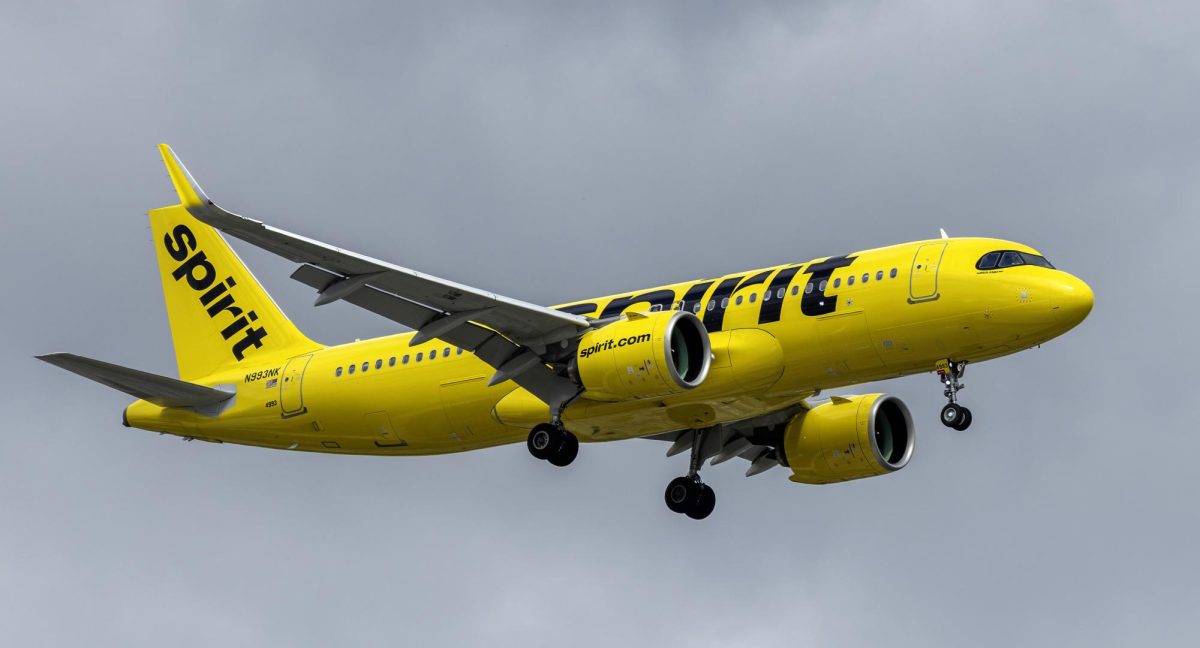
After 34 years in the sky, the iconic bright yellow planes from Spirit Airlines have ceased operations. Not only were its planes recognizable, but Spirit Airlines was also known for being extremely affordable, offering ultra-low airfares and charging extra fees for any other amenities. But after years of financial struggles, bankruptcy filings, and failed merger attempts, Spirit officially shut down operations in May 2026, marking the end of one of America’s most recognizable budget airlines.
Why did Spirit Airlines Close?
The airline’s financial problems have been building for numerous years, and its closure was not out of the blue. Since the COVID-19 pandemic, Spirit has lost billions of dollars and struggled to remain profitable. Spirit agreed to merge with JetBlue in 2022 in a multibillion-dollar deal; however, the merger was blocked in federal court in 2024 because regulators argued it would reduce competition and lead to higher prices for consumers, basically violating antitrust laws. After the deal collapsed, Spirit’s financial situation worsened rapidly. The company filed for Chapter 11 bankruptcy twice in recent years. One in late 2024 and again in 2025 after restructuring efforts failed to stabilize the airline.
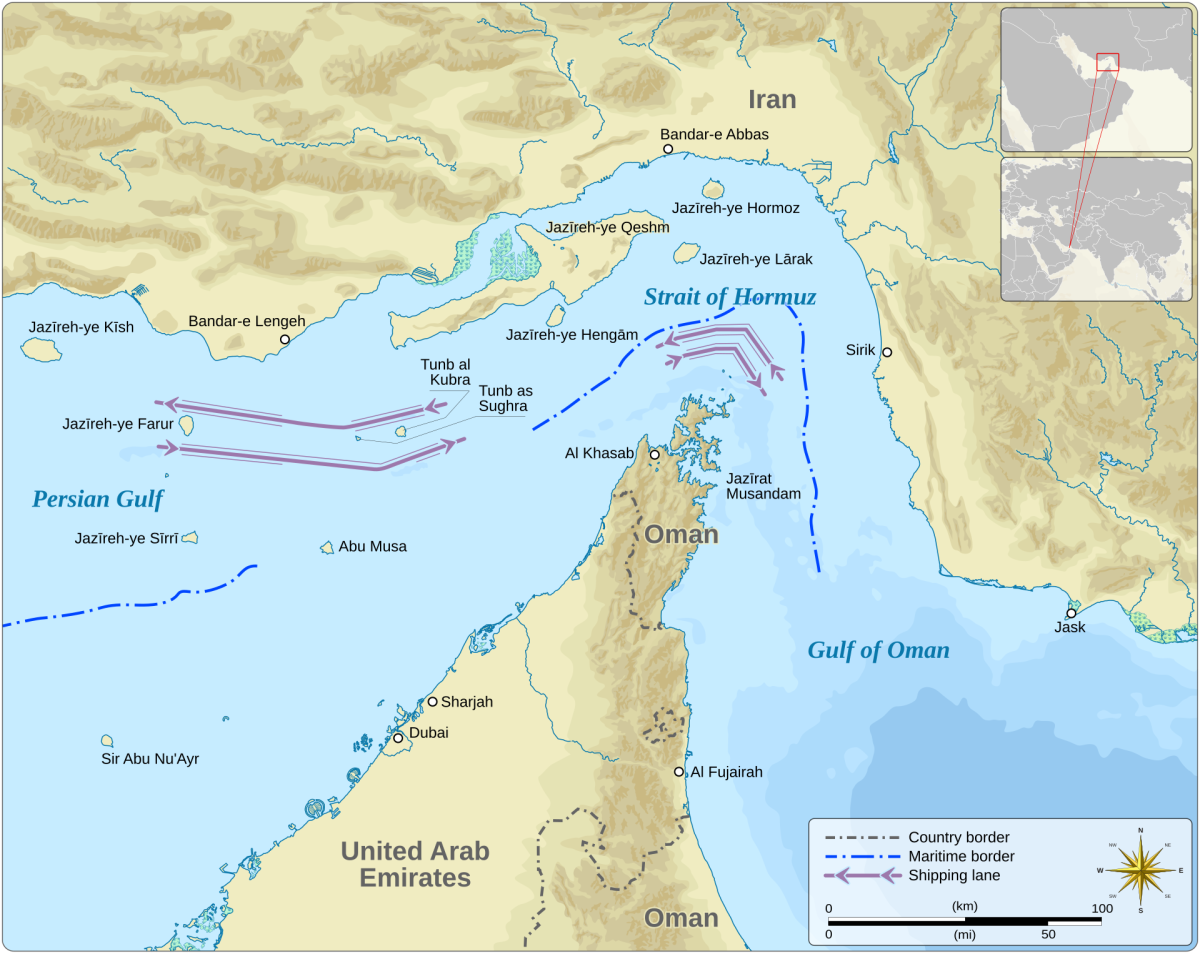
Additionally, the debt further increased as the war in Iran broke out, causing jet fuel prices to significantly increase. Because Spirit relied on extremely low ticket prices to stay competitive, the company could not keep up with the sudden spike in fuel expenses. Fuel prices nearly doubled during the conflict, which placed immense pressure on an already struggling airline. Larger airlines had more financial flexibility, but Spirit’s business model depended on keeping costs as low as possible. Once fuel prices skyrocketed, the airline’s remaining recovery efforts collapsed.
What happened as a result?
The shutdown of Spirit Airlines has major effects on the airline industry and its customers in the U.S. The most notable impact was the loss of 17,000 jobs almost instantly when Spirit stopped operations. However, there have been efforts by other airlines, such as Delta and United Airlines, who are actively hiring these newly unemployed, highly experienced workers. Furthermore, there have been many outcries of sympathy and compassion on social media for these unemployed workers. Many GoFundMes have been set up to help ease the stress and provide financial aid for these workers.
Travelers have also been heavily affected. Thousands of passengers nationwide were stranded after flights were canceled immediately following the closure. Several major airlines, such as American, JetBlue, United, and Southwest, responded by flying them on “rescue flights” or offering reduced fares to help customers reach their destinations. Still, many travelers faced delays, expensive rebooking costs, and canceled vacations. Additionally, many travelers will be expected to face an overall increase in airfare. When Spirit entered the market, competitors lowered their prices to compete; however, now that Spirit is no longer a competitor, many experts predict that airline ticket prices will rise. Harper McLure (11) notes, “With the war in Iran, the increased gas prices, and the recent closure of Spirit, I’ve definitely noticed an increase in prices overall.”
Although Spirit was often criticized online for cramped seating and added fees, the airline also changed the travel industry by making flying more affordable for millions of people. Milanee Abucay (11) mentions how Spirit’s closure and social media’s mourning are examples that “people miss what they no longer have.” Its closure represents a major shift in the future of budget air travel in the United States.