


















At school, culture is often reduced to simple things like food fairs, holiday posters, traditional clothing, or those quick presentations during class. But culture is rarely that simple for the students who live it every day. For a lot of teenagers, cultural traditions are not just celebrations on a calendar. They’re memories, expectations, sacrifices, and relationships with people who came before them. Though not verbal, you can feel their presence in the food made in your family kitchen, conversations had in crowded living rooms, in late-night prayers, and in stories that get repeated so many times.
Many students end up balancing two worlds at once. In school, they try to blend into modern teenage culture, while at home, they step back into traditions their families kept safe for generations. Sometimes that balance feels comforting. Other times, it feels isolating. Students might feel like they have to keep the traditions, even when they feel disconnected from them. Still, those same customs often end up being the thing that helps students figure out who they are.
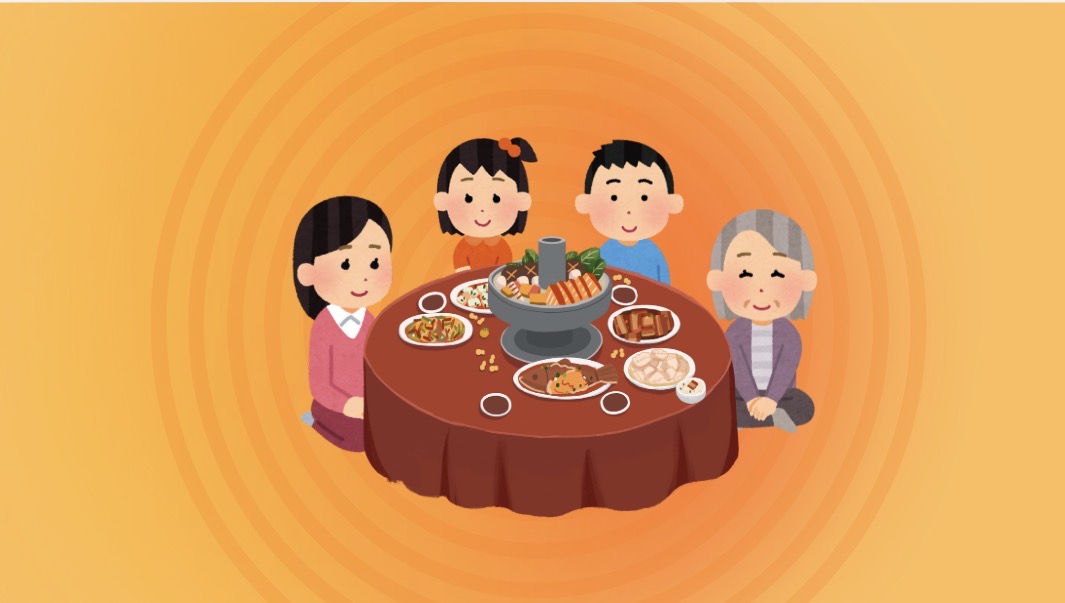
For students whose families celebrate Lunar New Year, the holiday usually means more than luck, red envelopes, or fireworks. It becomes a reminder of sacrifice. Parents and grandparents who immigrated to another country might see the celebration as one of the only ways to protect a culture they worried could be lost. The food, the language, and the traditions passed down during the holiday carry emotional weight because they point to survival and memory. Angela Zhou said, “When my grandparents tell stories during Lunar New Year, it feels like they’re trying to make sure a part of our family doesn’t disappear.”
In homes celebrating Diwali, the lights and decorations often symbolize more than celebration. For many families, the holiday represents hope during difficult times and the belief that goodness can still overcome darkness. But for students growing up between cultures, traditions can sometimes create internal conflict. Some feel guilty for not speaking their family’s language fluently or not understanding traditions as deeply as older relatives do. “My parents grew up with these traditions naturally,” junior Ismaeel Masood said. “For me, it’s different because I’m learning how to stay connected to something while growing up in a completely different environment.”
Other traditions are deeply connected to grief and remembrance. In families celebrating Día de los Muertos, remembrance is not treated as something private or hidden away. Families openly speak about loved ones who passed away, preparing altars with candles, flowers, and personal items connected to them. In a society where many people avoid conversations about loss, the tradition teaches younger generations that grief does not always have to mean silence. Tania Contreras shared, “My family talks about relatives who passed away like they’re still part of our lives. It makes me realize people don’t really disappear if their stories are still remembered.”
Students celebrating Eid al-Fitr often describe Ramadan itself as emotionally transformative. The month of fasting teaches patience, discipline, and empathy for people struggling with hunger or hardship. But beyond religion, many students say the experience creates self-awareness in a world filled with distractions. “Ramadan forces you to slow down and think about yourself differently,” junior Azeeza Hiriji explained. “It’s one of the few times during the year where life feels less focused on social media and more focused on people.”
For families celebrating Juneteenth, the holiday is tied not only to celebration but also to painful history. Conversations during Juneteenth often include discussions about racism, resilience, and generational struggle. These moments can shape how students understand both their family history and their place in society. Junior Brielle Turner shared her experience of the holiday. “Juneteenth celebrations in my family are joyful. We host a Juneteenth party where we invite all our African-American family and friends and celebrate the occasion. However, we remember to be mindful of the context behind the holiday, and that the freedom for Black Americans came with generations of pain that still affects people today.”
In many households, traditions become a way for families to fight against forgetting–a way to express their culture on their own terms. They protect stories, values, and identities that could easily disappear over time. For students, these customs often become anchors during periods of uncertainty, reminding them where they come from even when they are still figuring out who they want to become.
