























The Andes virus is a cause of hantavirus pulmonary syndrome in Chile and Argentina. This virus is carried and transmitted mainly by the long-tailed pygmy rice rat. Humans can become infected by inhaling aerosols containing rodent saliva, urine, or feces, as well as through bites and scratches.
This virus is a type of hantavirus that can cause a severe respiratory disease in people called Hantavirus Pulmonary Syndrome (HPS). Although this virus can be transmitted through contact with a sick person who has the virus, it is much more rare than the virus being spread through contact with rodents or touching an object with the virus on it. Yet, the Andes virus is a special strand of hantavirus that is known to spread person-to-person.
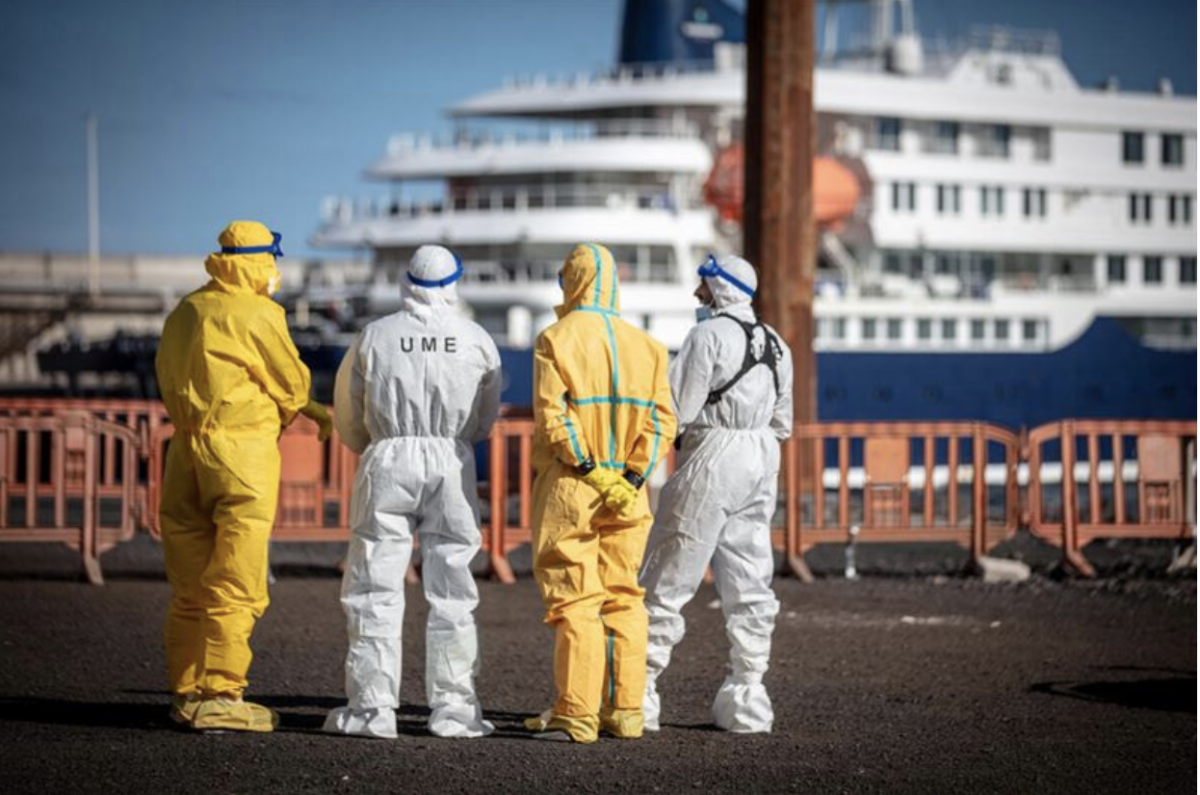
This virus has recently gained much attention due to the fact that the European Centre for Disease Prevention and Control (ECDC). was notified of a cluster of severe respiratory illnesses on MV Hondius, a Dutch-flagged cruise ship with passengers and crew from 23 countries, including nine EU/EEA countries, on May 2, 2026. Later, the virus among the cruise was identified as Andes hantavirus.
On board, there have been twelve cases reported, nine confirmed cases, two probable cases, one inclusive case, and three deaths. Although the passengers aboard are from various areas, one of the four Canadians who returned from the MV Hondious cruise ship tested positive for hantavirus.
The MV Hondius arrived in the Netherlands on Monday, ending a seven-week voyage that left three dead and others sick. The ship docked in Rotterdam with the ship’s captain and 26 crew members on board, as well as the body of a German man who died at sea. The rest of the ship’s 150 passengers had already disembarked and are either in quarantine or being monitored in their home countries.
According to the U.S. Centers for Disease Control and Prevention, at least 41 people in the United States were being monitored for potential exposure linked to the MV Hondius. Health officials say that at least 10 states are monitoring for potential infections tied to the cruise ship.
Luke Moyer (12) informs us how he has been “very alert about the illness, considering the virus begins with mild flu-like symptoms. Although there have not been any confirmed cases in California to my knowledge, it is super important to stay alert and healthy, especially since many people, including myself, will be leaving for a different state in the next couple of months for college, so it is very important to stay cautious about sharing items.”
Among the passengers on board, Stephen Kornfield, a retired oncologist from Oregon, said that, “when the ship’s doctor fell ill, [he] helped out by treating patients on board.” Yet, he has tested negative on confirmatory PCR testing and has been moved out of the biocontainment unit at the University of Nebraska Medical Center and into one of the quarantine units. This has been amazing news for him and his family, as he had been admitted after a “faintly positive” pre-return test result.
Abby Reddick (12) talks about how she is “extremely shocked to hear that, although Dr. Stephen Kornfield may have had it at one point, he has tested negative, considering how up close and personal he was when treating and helping patients on board. Although he put himself at great risk, he did something many wouldn’t, and I am glad he is getting the attention he is considering he put himself in danger of his health as a 69-year-old, knowing how deadly the virus is.”
Overall, it is very clear to see how deadly this virus is and how seriously people should be monitoring their health. The cruise outbreak is one that is breaking the media and causing people to fear, as a couple of years ago, the COVID pandemic occurred. Although this is a serious matter, officials reaffirm that the chances of this virus spreading and becoming another epidemic are low. So don’t fear, but also stay aware of your surroundings, who you share items with, and be cautious of what you consume and where it comes from.