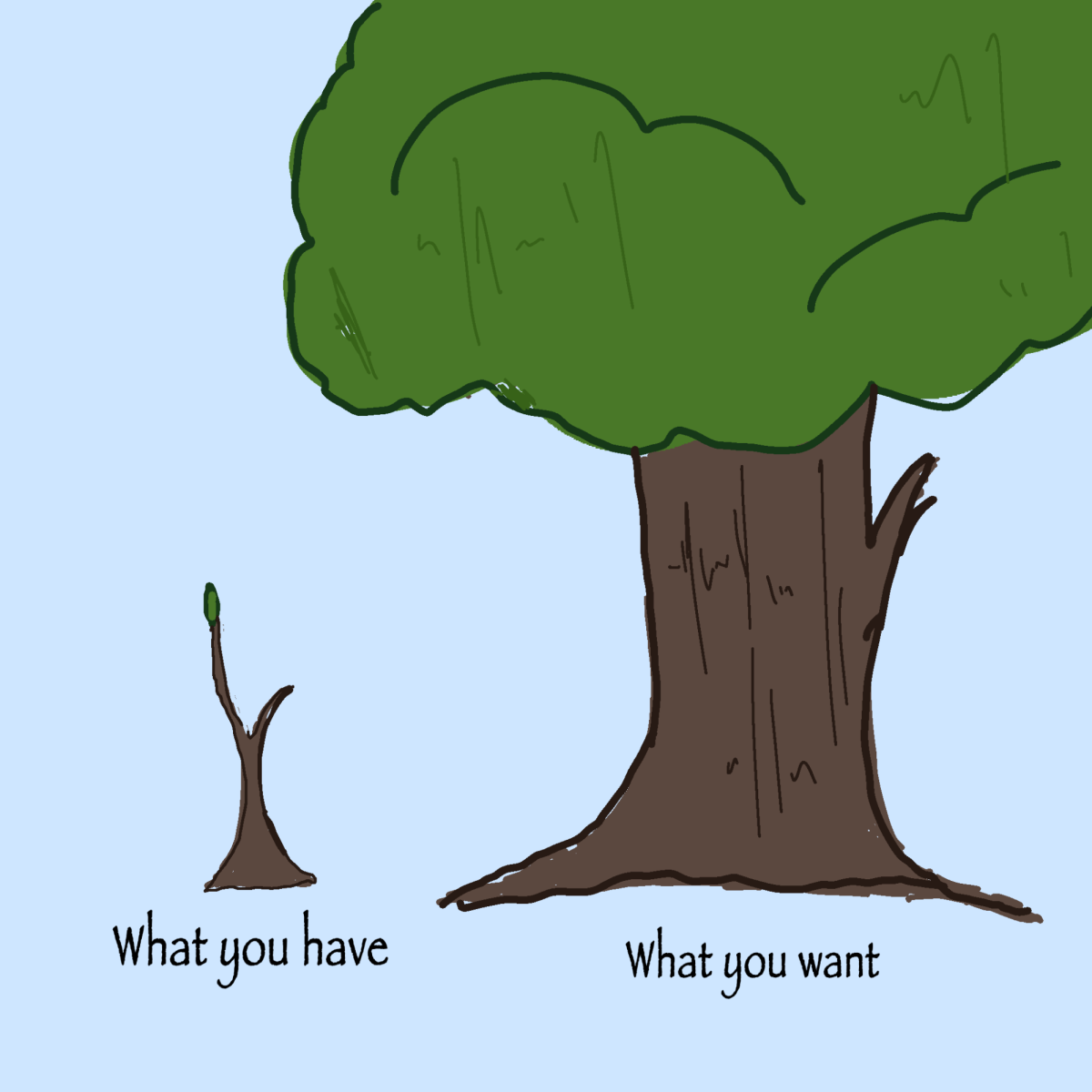






















Have you ever noticed that the thing we want most often is the thing that is just out of reach? Whether it is a person who does not like us back, a goal that seems unattainable, or even something as small as a trend or item we cannot yet afford, that constant desire seems to intensify when we realize that access is limited. And what is even more confusing, and almost concerning, is that once we finally get what we wanted, the excitement seems to almost fade. Why are we wired this way?
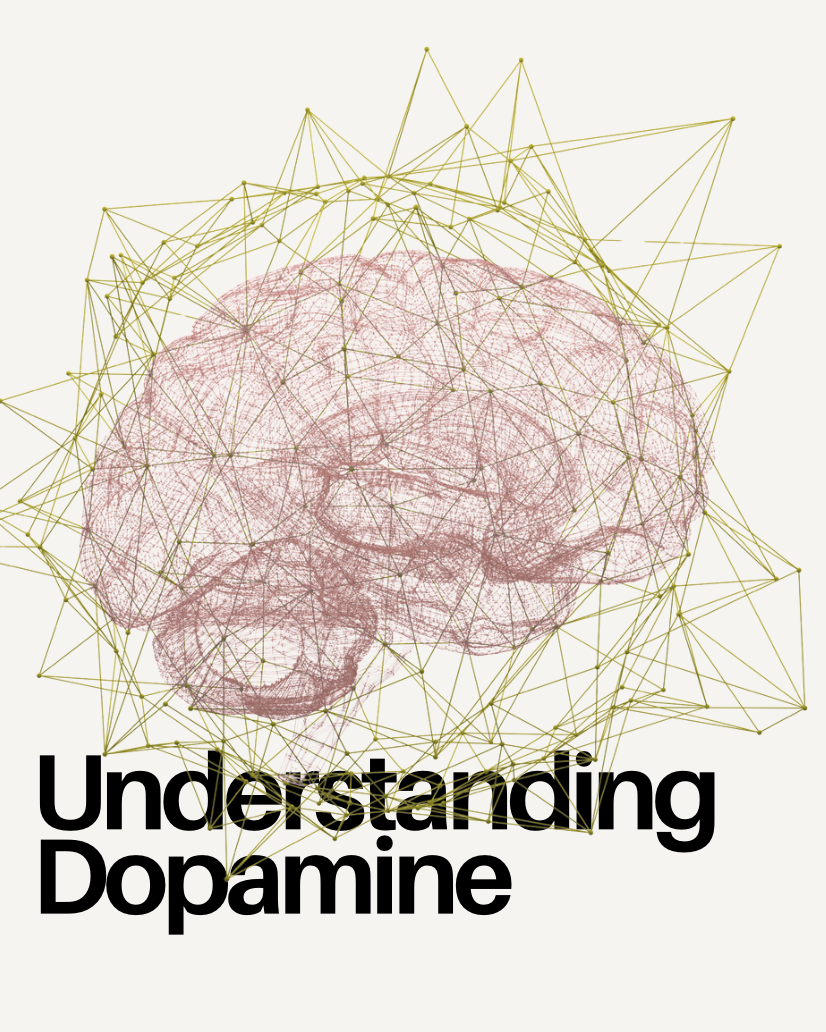
Much of this behavior stems from how the human brain is motivated. The very center of it is dopamine, a neurotransmitter associated with pleasure and relief. However, dopamine is not necessarily about enjoyment; it surprisingly revolves more around anticipation and the thought of the unknown. Our brains release dopamine when we are chasing a e, not when we receive it. It is the sole uncertainty of whether or not we will succeed that skyrockets our motivation, and the chase becomes thrilling. When we finally achieve the goal, the brain no longer needs us to push forward, and the feeling dulls, highlighting our love with the pursuit rather than the possession.
Another psychological factor that contributes to this concept is scarcity. We as humans tend to assign greater value and higher importance to things that feel rare or limited. When access to something is restricted, the desire seems much more important. This is even more evident when we are told “no,” as it signals that something is special, even if that is not objectively true in and of itself.
Social comparison also plays a role in this obsession. As we live in a time dominated by social media, we are constantly exposed to what others have, and that can be relationships, opportunities, experiences, and tangible things. Sometimes seeing someone else achieve something we want makes us want what it represents, whether that be success or even validation. Truthfully speaking, sometimes we just want things simply because someone else has them, and we feel jealous or left behind.
Chelsey Natividad (12) explains, “I feel like I always want things more when I see other people getting them, especially on social media. It’s not even that I actually want it that badly, but once I feel like I can’t have it, it’s all I tend to think about.”
Ironically, this constant chase and unfulfilled desire can lead to dissatisfaction. When we lose interest after achieving something we have looked forward to for so long, we may feel confused or guilty as to why we are not happier, as we think we should be. This reaction is completely human and natural, as our brains are designed to keep us moving forward and not let us settle for long. Long before social media, early humans needed to continue seeking resources in their environments and opportunities to survive, revealing that contentment was never meant to be permanent.
McKenzi Reiter (12) also adds, “Every time I work really hard for something, like a grade, I’m obsessed with it until I get it. And once I do, I’m already thinking about what’s next and how to even get better. Sometimes, it can really be frustrating and exhausting.”
If we can understand this pattern, awareness can change how we respond to these obsessions and uncontrolled desires. We can not escape it entirely, but recognizing when we are chasing something purely for the thrill can help us with the question of whether or not we are truly interested in the outcome or just addicted to the unknown.