

















“Check” is the first thought many planner-oriented people have when completing a task. Just one more thing off a long list of tiring chores, homework, or work-related activities. Many of us even see these mental checkmarks as daily rituals to feed our structure-craving minds. Planning can be simple, colorful, detailed, or loosely organized, but just how much does each approach reveal about you?
Time blocking
Time blocking, as mentioned by the University of Pennsylvania, is perfect for those who are juggling with many tasks at once. Reducing the number of tasks to a specific time slot removes the anxiety that stems from having such a busy schedule in the first place. Many use this method to fix their issues with distractions and help with understanding how much time they allocate to certain activities. It creates a better perception of time usage and demonstrates progress. People who use this method are likely procrastinators seeking just enough pressure to get started.
Minimalist planning
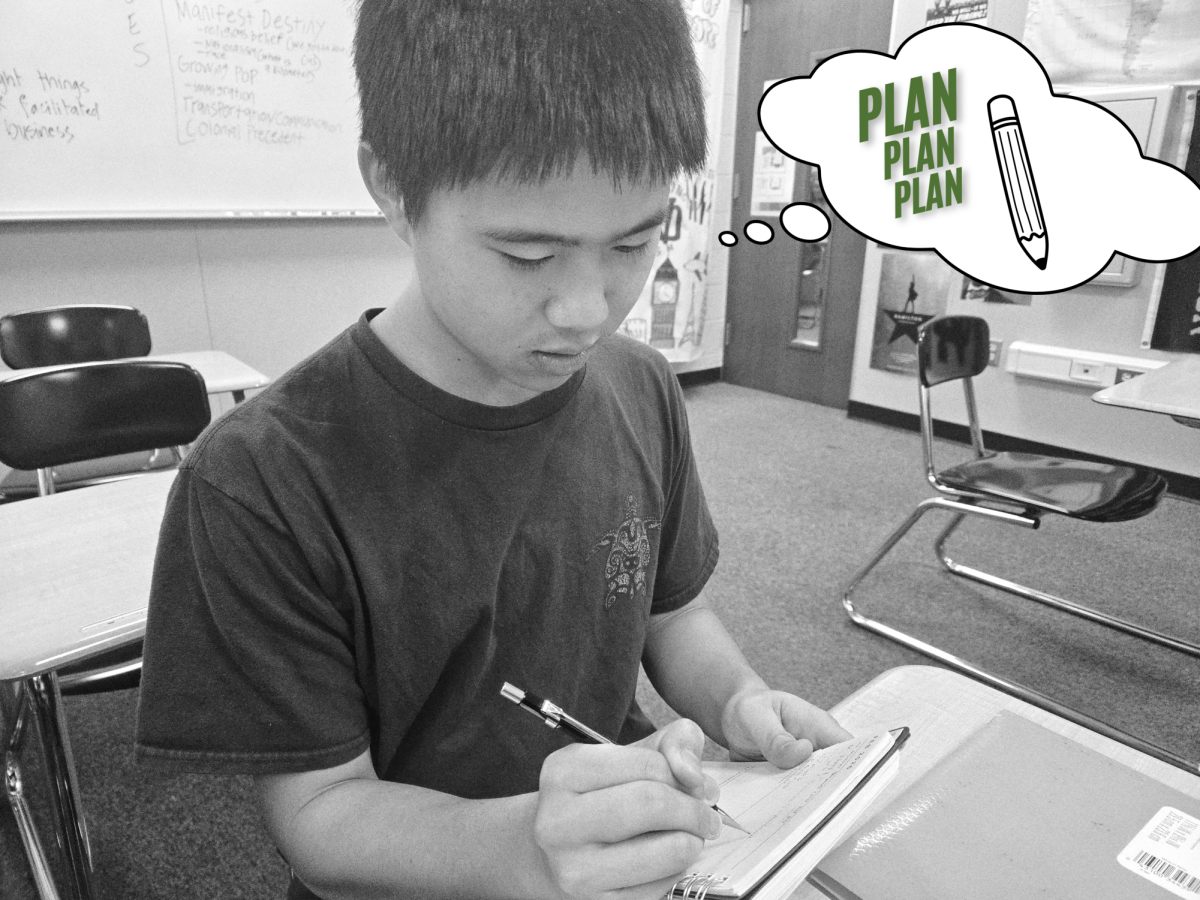
If you are someone who prioritizes simple goals over decorative additions, you likely want to declutter your brain in the same way you prefer to maintain a clean room and an organized backpack. Aaodan Lee (11) shares similar reasoning: “I try to take quick notes of what I need to do daily. I know someone who color codes their planner, but I like it simple and organized.”
Instead of writing many activities down, you abbreviate, use one color pen, and prefer sticky notes, to-do lists, or scratch paper. Your planner likely serves as a minimal extension to your brain, showcasing only the most important details, and filtering what’s not.
Surprisingly, most of the people I talked to at Yorba Linda High School preferred this filtered approach. Sophie Gallegos (11) details her experience: “I usually use a daily planner, but I do take notes on the side if I have anything else to add that’s important. Adding colors is too distracting.”
Creative planning
Many people live for the washy tapes and stickers part of planning. Each colored highlighter is connected to a certain sticker or tape, indicating high and low priority tasks. Creative thinkers aren’t restricted to “important” tasks because planning can also be a form of self expression. You decide what you want to do with no rigid plan. This is characterized by many lines and geometric shapes on paper that don’t quite fit the theme of your tasks.
Is online planning better?
Many students prefer to use online planners because of the easy access and easy change benefits. Typing is much faster than writing, so it certainly saves time. However, many researchers claim that pencil and paper planning is much more beneficial cognitively. A study from the Keller Center for Research at Baylor University found that those who use tangible planners and calendars are more likely to fulfill their goals and develop higher quality plans.
Does using a planner equal success?
Students across several studies show that using a planner significantly strengthens long-term retention and “enhances memory consolidation patterns.” The National Library of Medicine supports this idea through its claim that any type of time management influences how much students engage with new knowledge learned. That said, it doesn’t matter what approach to planning you use. It only matters that you have goals for yourself, and that will get you ahead academically and professionally.