














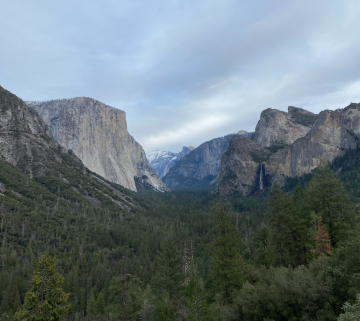
As most of us know, the average person may feel fear when raising their hand in class or preparing for a job interview, aware of the risks and possible outcomes that come with putting themselves out there. But occasionally, someone is willing to place their life on the line in a much more literal sense. The very epitome of that extreme is rock climber Alex Honnold, who made history in 2017 by free-soloing El Capitan in Yosemite National Park– a 3,000-foot near-vertical rock face–without ropes, a harness, or protection of any kind. One wrong hand or foot placement would have meant certain death, and yet, Honnold climbed it both calmly and successfully.
Free solo climbing is widely considered one of the most dangerous activities in the world, and is often considered impulsive and reckless; however, the level of skill, preparation, and discipline required for this is almost beyond comprehension. Honnold spent years memorizing every movement of the route and every single crack, long before climbing the massive rock. He vigorously continued practicing with ropes until each move became automatic. Though from an outside perspective it looks like fearlessness, it really is extreme control.
As Honnold made history once again, free-soloing one of the tallest buildings known to mankind, Taipei 101, just this January, the scale of this achievement is truly put into perspective. Though this climb involved several different techniques and conditions, the foundation is the same: the precision under life-or-death pressure. Honnold and athletes like him are mentally prepared in ways most people never need to be.
Part of what makes Honnold insanely fascinating is his mindset. His brain has been studied by scientists, who found that his amygdala–part of the brain responsible for processing and producing fear– showed an inactive response compared to most people. Essentially, this means his fear does not overwhelm his decision-making, and rather than panicking, his brain focuses on logic and calculations. Fear exists for Honnold, just not in the same way as it does for most of us. He has spoken openly about walking away from climbs that don’t feel right, proving that his judgment keeps him alive.
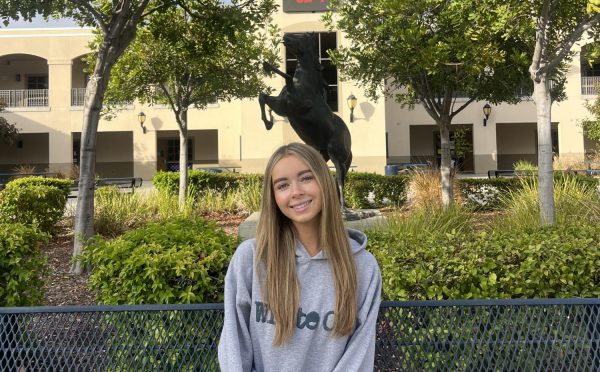
Students see this level of discipline as inspiring, yet also unsettling. Calista Nguyen (12) highlights, “It’s somewhat insane to think that a person can train their mind to that level. If he messes up, he can’t start over. His mistakes are only fatal.”
Another student points out the dedication behind the achievement rather than the aspect of danger itself. Kenzi Reiter (12) says, “What stood out to me about Honnold’s recent record was how much preparation he must have put into it. It makes you realize how much work goes into being great at honestly anything.”
Ultimately, Honnold’s free solo of both El Capitan and Taipei 101 is a revelation of what happens when humans push their limits and exceed their standards. While most of us will never stand thousands of feet above the ground with nothing but our hands and shoes, Honnold’s achievement serves as a reminder to rethink what mental strength truly looks like.