



















As the school year comes to a close, many juniors are eager to finally take a break from tests, assignments, and late-night studying. However, for rising seniors, summer is also the unofficial beginning of college application season. While it may seem tempting to put everything off until fall, using the summer productively can make the application process far less overwhelming once senior year begins.
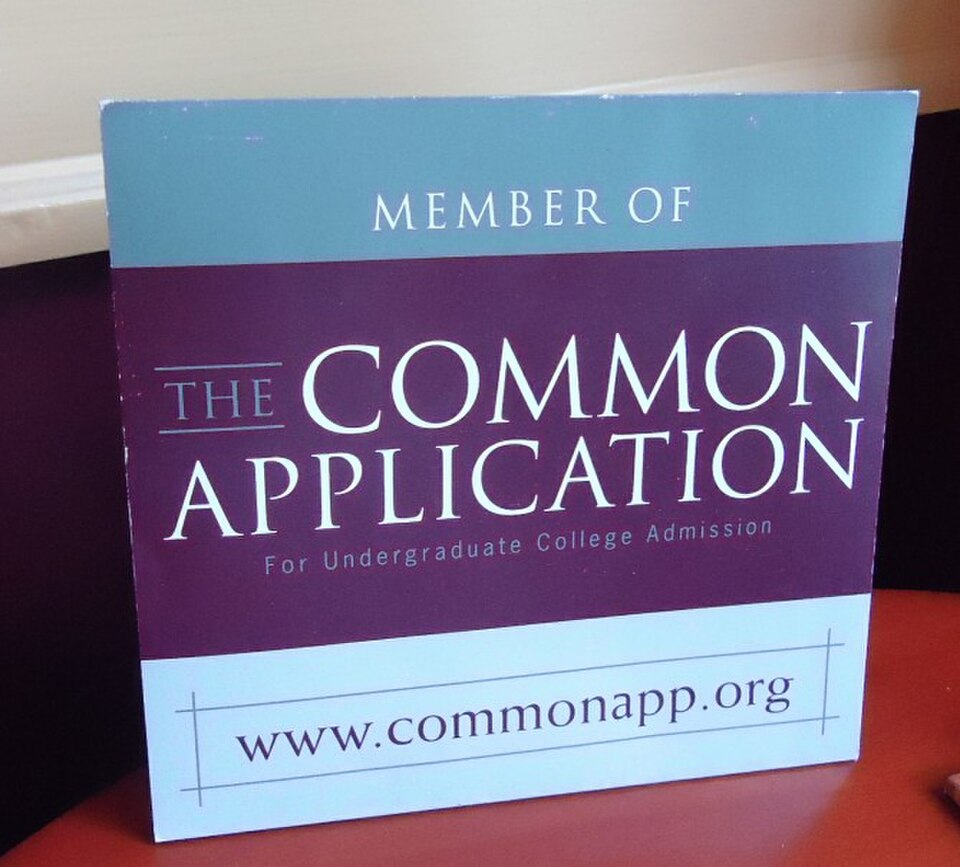
One of the most important tasks rising seniors should prioritize is exploring the Common App. Although the official application refreshes on August 1, students can still create accounts, review the different sections, and familiarize themselves with the platform ahead of time. From entering extracurricular activities to reporting honors and coursework, the application contains far more detail than many students initially expect. Starting early allows students to avoid scrambling for information later during the school year, when coursework, sports, and extracurricular commitments quickly pile up.
In addition to reviewing application platforms, summer is the ideal time to begin drafting college essays. The personal statement, in particular, often becomes one of the most challenging aspects of the application process because it requires students to reflect deeply on their experiences, values, and personal growth. Waiting until the fall to begin writing can lead to rushed essays that fail to fully capture a student’s voice. During summer, students have the opportunity to brainstorm thoughtfully, experiment with different topics, and revise multiple drafts without the pressure of looming deadlines. Even completing a rough outline can provide a major advantage once application season intensifies. Austin Truong (12) recommends, “During the summer, you should preview the Common App in June, write your rough draft in July, and have a final draft ready by August.”
Researching colleges is another essential step that students should not overlook. Rather than focusing exclusively on rankings or reputation, applicants should carefully consider which schools align with their academic interests, learning styles, and long-term goals. Factors such as campus culture, class sizes, internship opportunities, financial aid, and geographic location can significantly influence a student’s college experience. Developing a balanced college list that includes reach, target, and safety schools can also help students approach the admissions process with greater realism and confidence.
Another valuable summer task is organizing extracurricular activities, awards, volunteer work, and leadership experiences into a resume or master activity list. After several years of involvement in various programs, many students underestimate how difficult it can be to recall specific dates, positions, and accomplishments when applications open. Creating a detailed document now can save considerable time later and help students better recognize the impact of their high school experiences.
Rising seniors should also begin considering whom they plan to ask for letters of recommendation. Teachers often receive numerous requests once the school year begins, so identifying teachers who know them well ahead of time can make the process smoother. Strong recommendation letters frequently come from teachers who can speak not only about academic performance, but also about character, work ethic, and growth within the classroom.
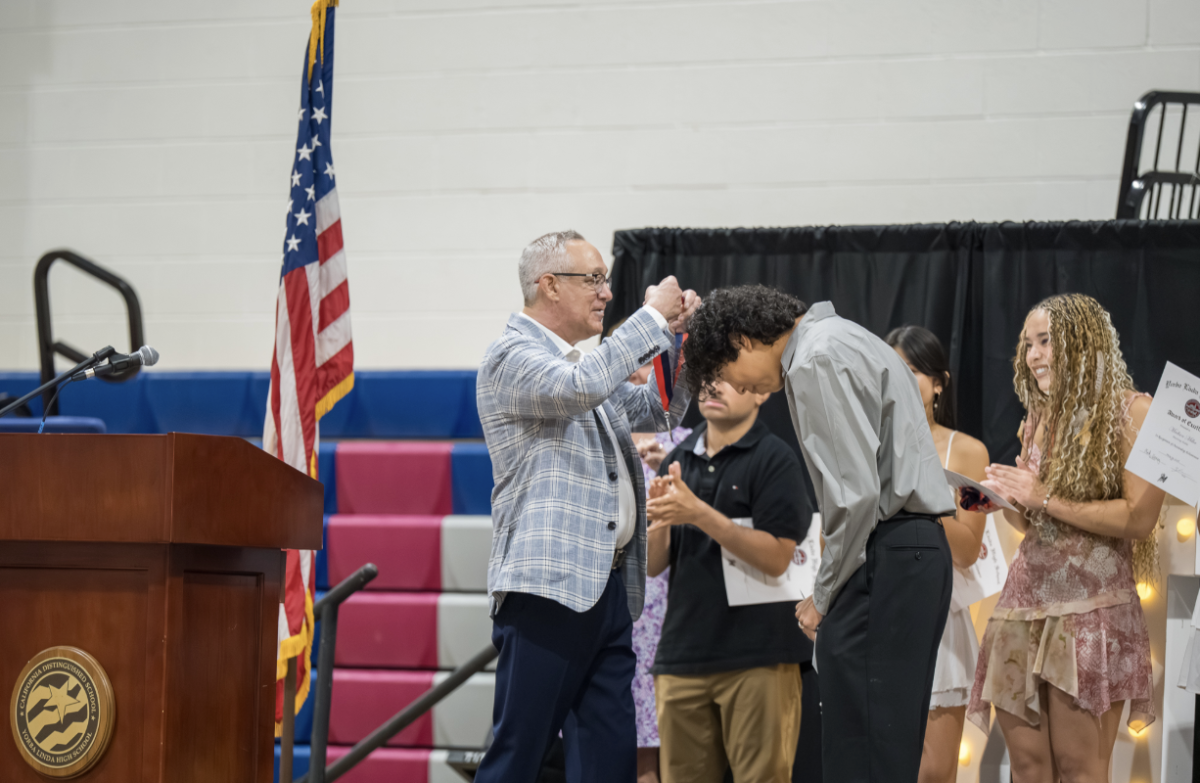
At the same time, students should remember not to become consumed by the pressure surrounding college admissions. Valedictorian Sarah Kang (12) emphasized the importance of maintaining perspective during such a stressful period. “With everyone preparing for their next steps during senior year, it becomes easy to focus too much on the future,” Sarah said. “Many people feel anxious and dwell on what they have not done instead of appreciating their progress and enjoying the present moment. Although it can be difficult, I think it is important to grow from mistakes made in the past, find motivation in achievements along the way, and focus on what can be done now rather than constantly worrying about what comes next.”
Despite the importance of preparing for applications, students should still allow themselves time to enjoy their summer. Colleges appreciate applicants who demonstrate ambition and responsibility, but they also value authenticity and balance. Whether students spend their summer working, volunteering, traveling, pursuing hobbies, or simply relaxing with friends and family, those experiences often contribute just as much to personal growth as academic achievements do.
Although college applications may appear intimidating, preparing during the summer can significantly reduce stress once senior year begins. By taking initiative early while still maintaining balance, rising seniors can enter the fall feeling more organized, prepared, and confident about the next stage of their education.

