

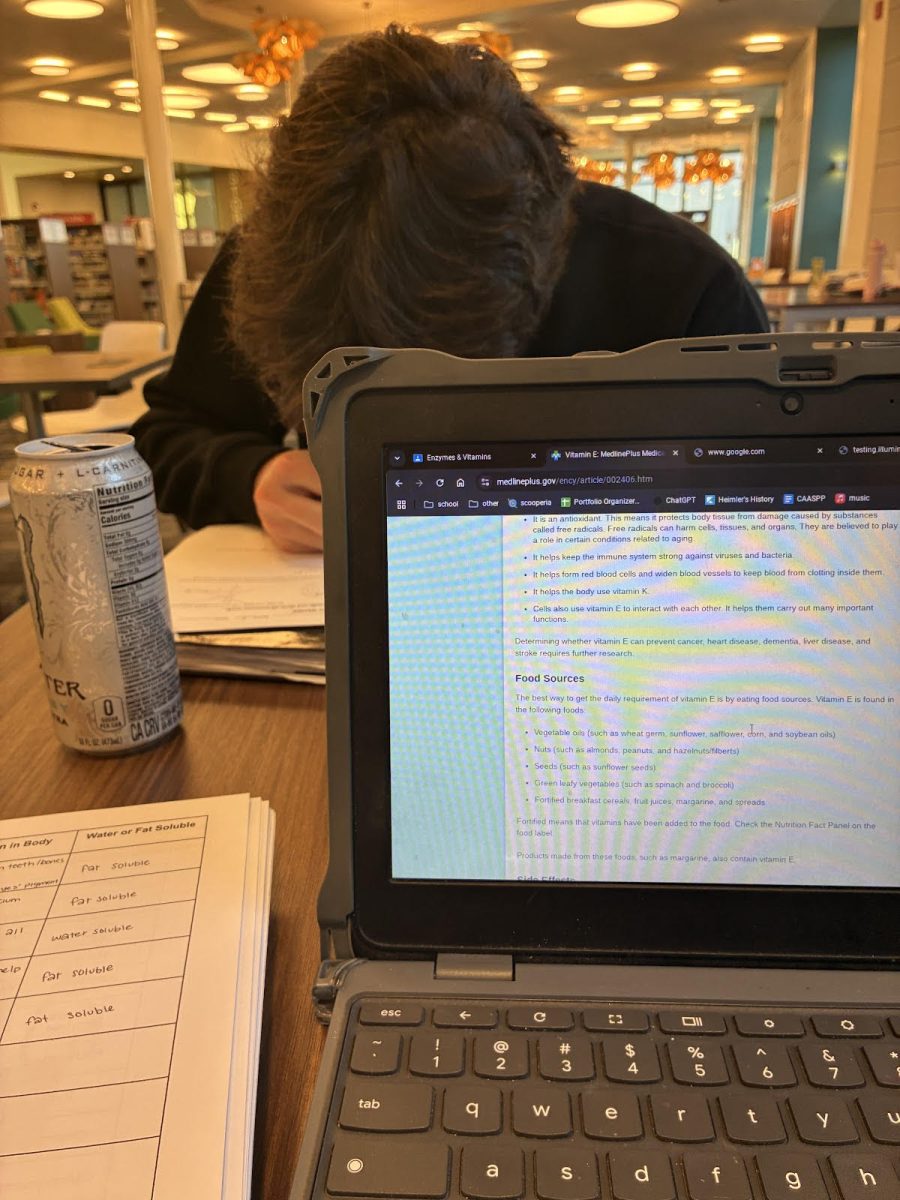






















Every spring, high school students across the country begin preparing for AP exams. For many students, these tests can feel stressful because the scores may help them earn college credit or show colleges that they challenged themselves with difficult classes. As exam dates get closer, students spend more time reviewing notes, practicing multiple-choice questions, and trying to manage their schedules. Although AP exams can seem overwhelming, having good study habits and a clear plan can make preparation much easier.
One of the most important AP exam tips is to start studying early. Many students wait until the last week before the test, which usually creates unnecessary stress. Reviewing information over a longer period of time helps students remember material better. Even studying for fifteen to thirty minutes a day can make a difference if it is done consistently. Breaking subjects into smaller sections also makes studying feel less overwhelming.
Practice questions are another helpful way to prepare. AP exams are not only about memorizing facts. Students also need to understand how questions are written and how to manage time during the test. Brady Shinkarik (12) shares, “One of the things that helped me the most was completing progress checks on AP Classroom since the questions are very similar to the actual exam.” Taking practice exams can help students become familiar with the format and identify areas where they need more review. Timed practice is especially useful because many students struggle to finish every section within the time limit.
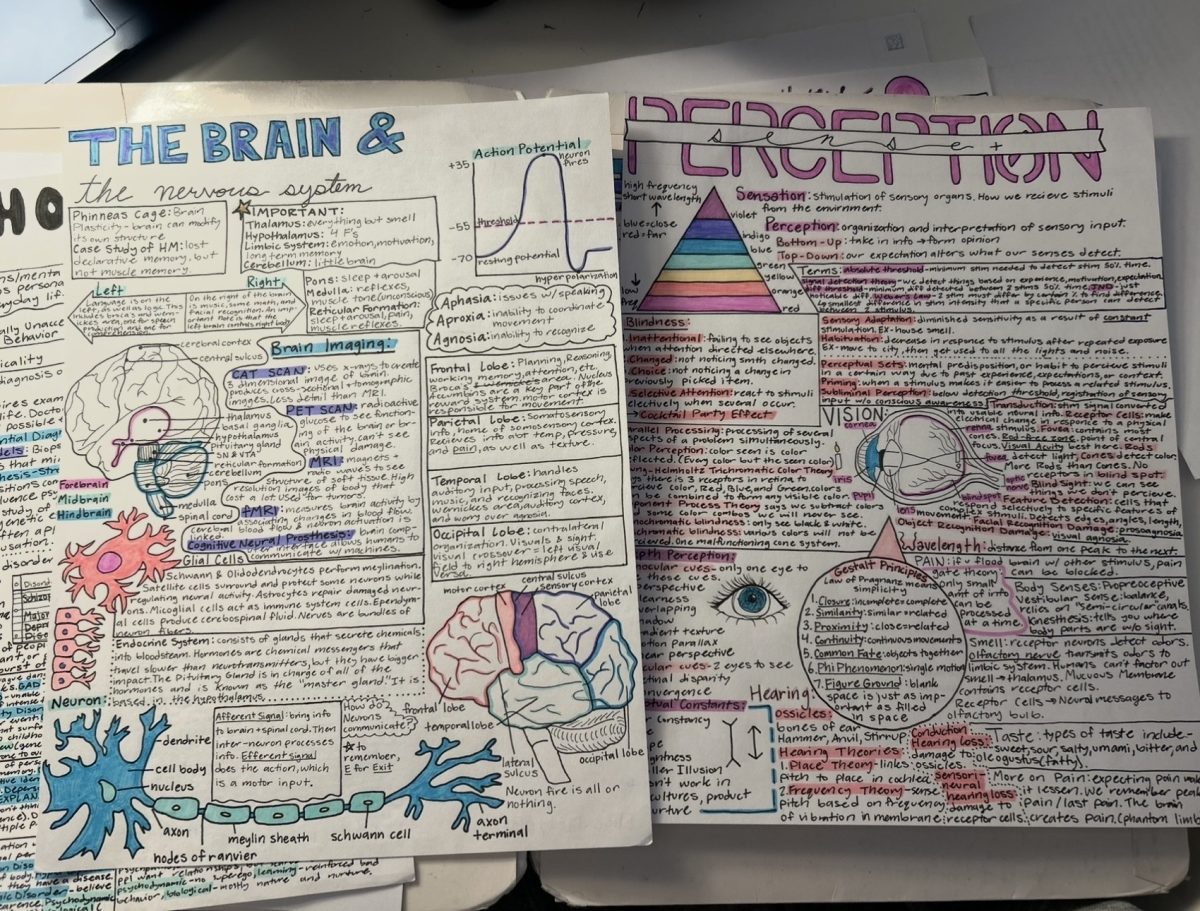
Another important tip is to focus on understanding concepts instead of trying to memorize everything. In classes like AP Biology or AP U.S. History, students often face questions that require critical thinking and analysis. Simply memorizing vocabulary terms or dates may not be enough. Explaining ideas out loud, teaching topics to a friend, or creating study guides can help students understand information more deeply. Elise Doty (12) says, “I created in-depth one-pagers for each unit of my psychology class, which helped me review all the concepts from throughout the year.”
Organization also plays a major role in exam preparation. Students who keep track of assignments, review schedules, and deadlines usually feel more prepared than students who study at the last minute. Setting small goals each day can make studying feel more manageable and help students avoid procrastination.
Sleep and rest are often ignored during AP exam season, but they are extremely important. Staying up late every night to study may actually make it harder to focus and remember information. Getting enough sleep helps improve concentration and memory. Eating regular meals and taking short breaks while studying can also help students stay productive.
Study groups can be useful for some students as well. Working with classmates allows people to ask questions and compare notes. However, study groups only help if everyone stays focused. Groups that spend more time talking than studying can become distracting instead of productive.
Finally, students should remember that one exam score does not define their future. AP exams are important, but they are only one part of high school and college applications. With steady practice, good organization, and healthy habits, students can approach AP exams feeling more confident and prepared.
