

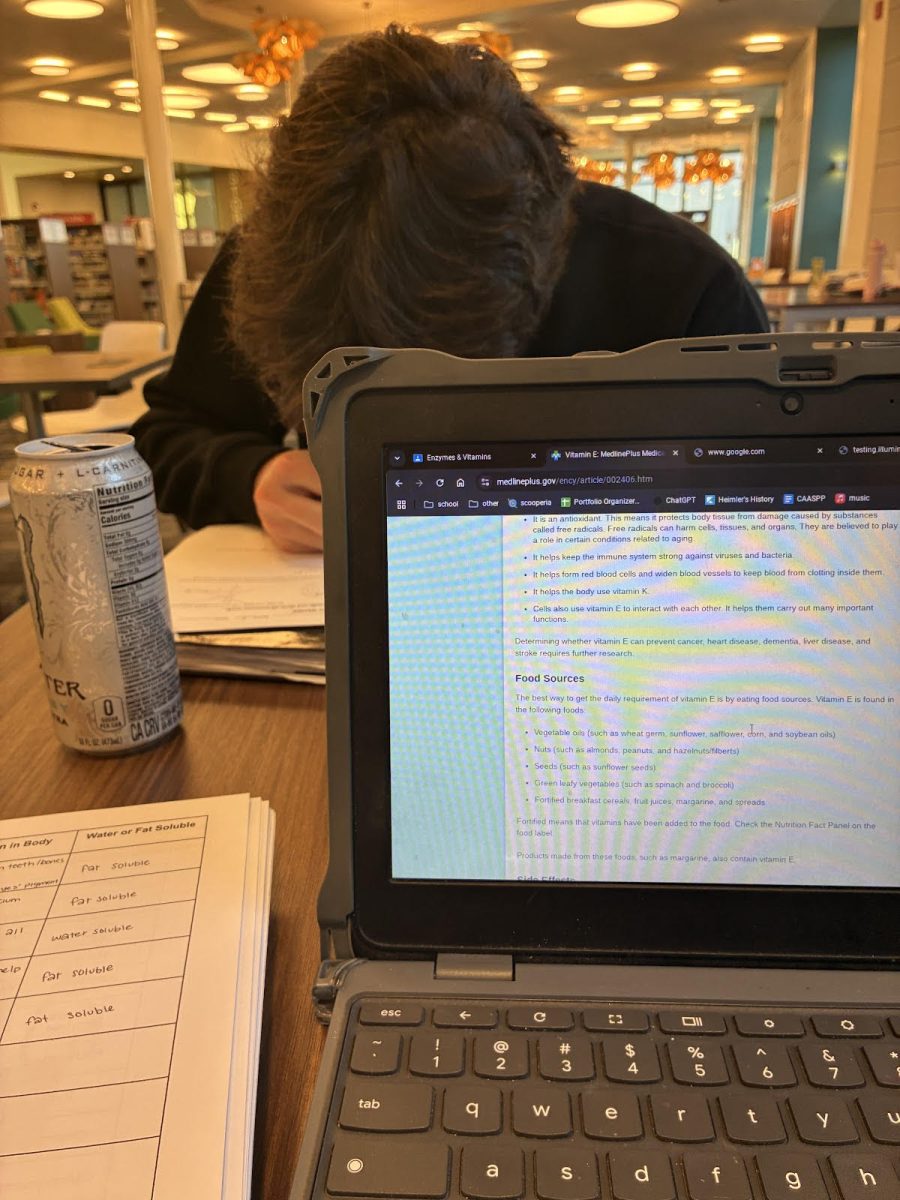




















After a long school day, it becomes easy to fall into unhealthy routines. Many students come home planning to be productive, only to end up scrolling through social media for hours, procrastinating assignments, or staying up too late. While these habits may seem harmless at first, daily routines can quickly shape students’ overall health and mindset. As schedules become busier and responsibilities increase, many students are beginning to realize the importance of building strong life habits early on.
For high school students, habits often develop naturally over time. Whether positive or negative, repeated behaviors eventually become part of everyday life. Simple routines such as getting enough sleep, staying organized, exercising regularly, or managing time effectively can make a major difference in reducing stress and improving productivity.
Many students believe consistency is one of the most important parts of building healthy habits. Rather than making unrealistic goals, students often find more success through smaller changes that feel manageable over time. Building routines gradually can help habits feel less overwhelming and easier to maintain.
“I think people try to completely change their lives all at once,” explains Savannah Cheng (12). “It’s easier to stay motivated when you focus on small habits first instead of trying to be perfect immediately.”
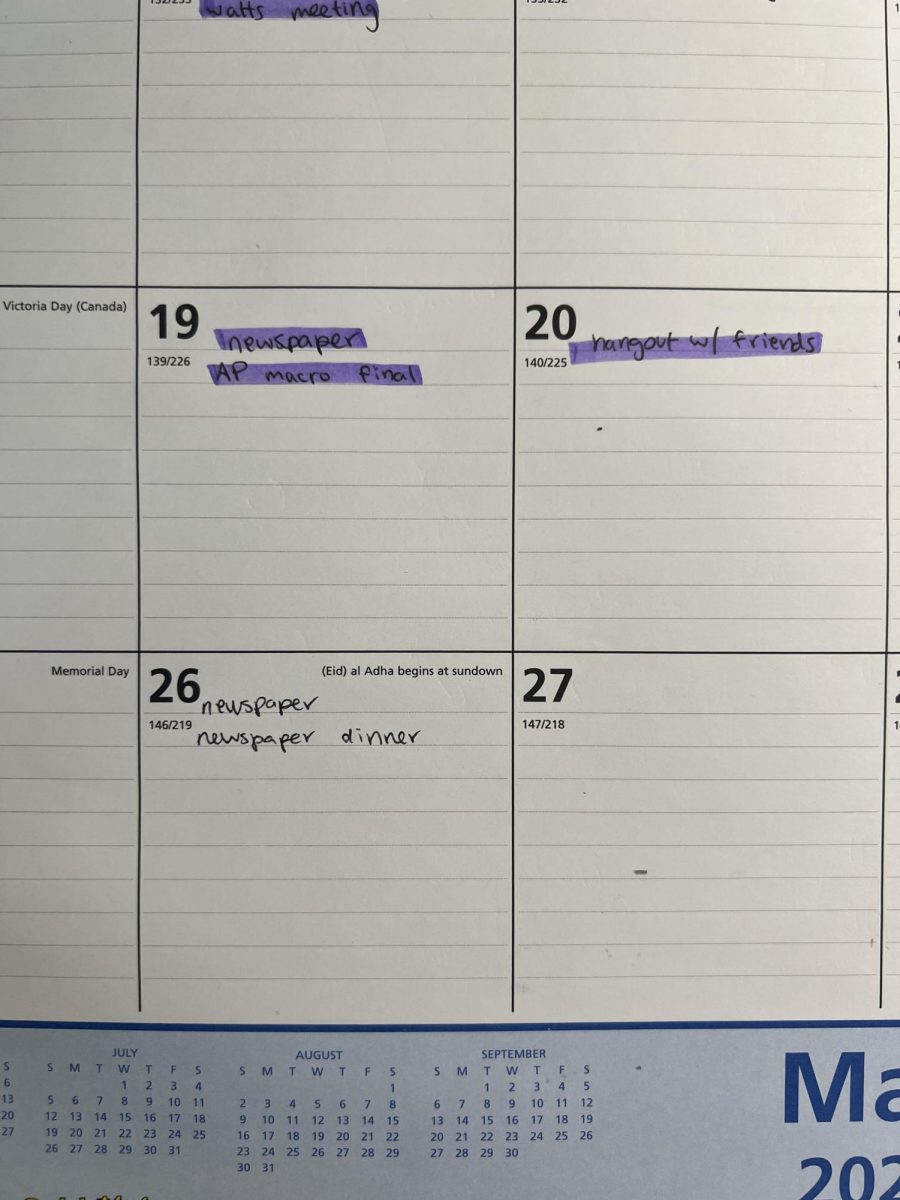
Time management is another area where students are trying to improve. Between schoolwork, extracurricular activities, jobs, and social lives, balancing responsibilities can become difficult. Many students use planners, reminders, or schedules to stay organized and avoid procrastination. Others focus on limiting distractions while studying in order to stay productive.
In addition to academic habits, students are also learning the importance of prioritizing mental and physical wellness. Healthy routines such as exercising, spending time outside, drinking enough water, and maintaining consistent sleep schedules can improve both mood and focus during stressful school weeks.
“Good habits don’t always have to be something huge,” says Kanhi Bhagat (12). “ ”
Social media often promotes unrealistic “perfect routines” that can make self-improvement feel intimidating. However, many students are realizing that building good habits is not about perfection. Instead, creating routines that are realistic and sustainable can lead to healthier lifestyles in the long run.
As students continue to prepare for adulthood, developing strong habits now may help create stability later in life. Although building routines takes time and effort, many believe the small decisions made each day can eventually lead to lasting personal growth.
