






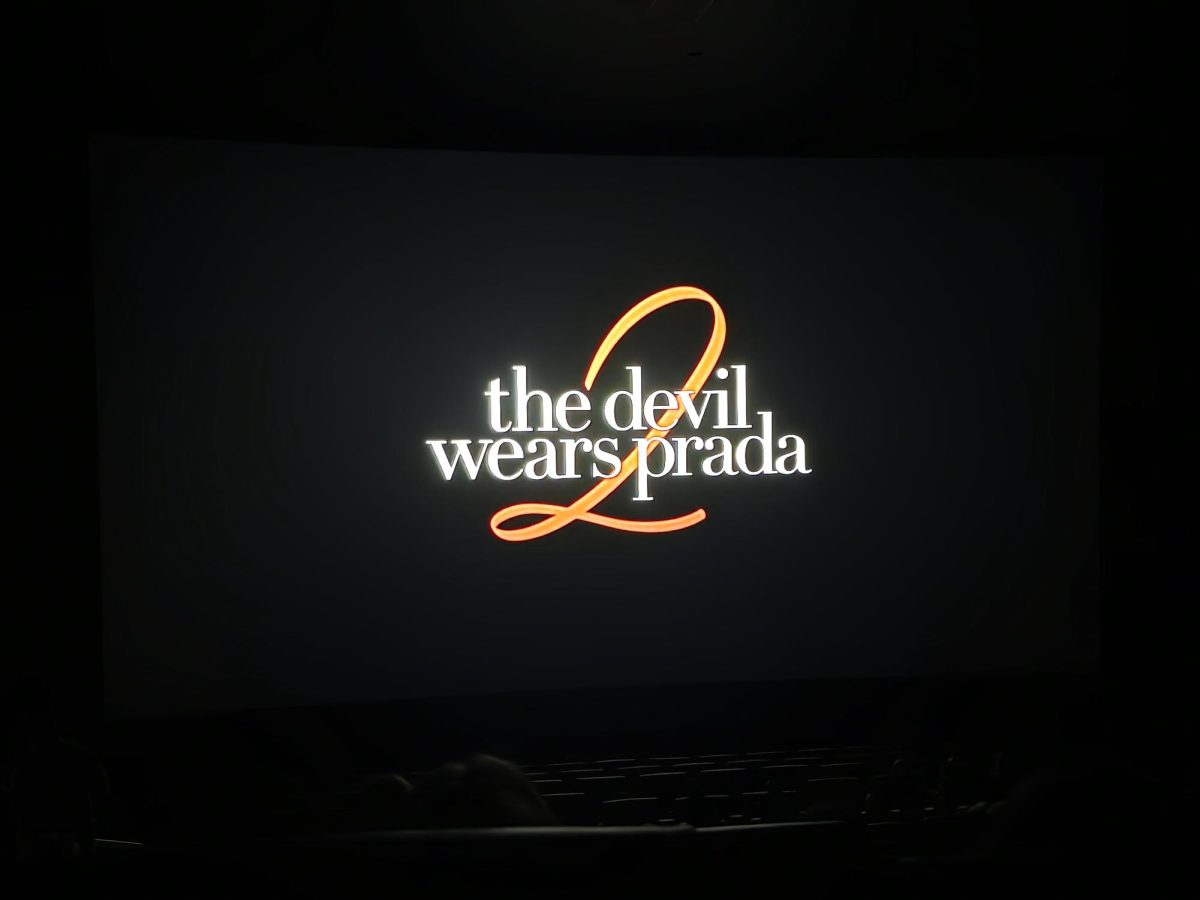
In 2003, Lauren Weisberger published a novel titled The Devil Wears Prada, following an icy fashion magazine editor and an aspiring journalist who takes a job at the magazine. Three years later, the iconic movie was released, starring skilled actors Anne Hathaway, Meryl Streep, Emily Blunt, and Stanley Tucci. Finally, twenty years after the first movie’s release, the long-awaited sequel was released.
The first movie was about Andrea ‘Andy’ Sachs, a recently-graduated journalist hoping to make it big at one of New York’s newspapers. She takes a job at Runway, a fashion magazine notorious for its killer style, trendsetting designs, and the so-called “devil” that runs its operations. Miranda Priestly, said “devil”, is cold, commanding, and puts Andy through work that almost completely severs the young woman from her previous self. Her then-boyfriend Nate nearly broke up with her over it! But in the end, Andy’s moral compass guides her back to the light, and she’s able to cut ties with Runway in possession of her dignity.
The second movie is set years after the first, and follows the same core characters. Andy, now an established journalist, is suddenly laid off as her company is absorbed into another amid the drawn-out ‘death’ of journalism. Pressed for money, she takes a job at Runway as its features editor, hoping to rekindle her relationship with editor-in-chief Miranda Priestly. But when an unexpected accident leaves Miranda’s job and Runway as a whole vulnerable, the two must face off against new foes–this time, together.
This review will contain spoilers.
I can summarize my thoughts on The Devil Wears Prada 2 in one word: messy.
The first movie focused entirely on Andy’s struggle with being who Runway wants and being herself, a conflict that causes her to clash with then-boyfriend Nate, who acts as a representation of the ‘old’ Andy. The relationship has been controversial, and Aracely Martinez (10) validates both sides by saying, “Nate didn’t support her dreams and goals, which is what a boyfriend should do. [But] Andy was also in the wrong.” In any case, Andy’s growth and eventual decision away from Runway are center-stage in The Devil Wears Prada.
However, in the second movie, Andy, the supposed protagonist, is relegated to the role of supporting actress in Miranda’s play. Truly, The Devil Wears Prada 2 was about Miranda–her potential promotion, shaky standing at Runway, and impending unemployment. Andy is there only to make the blunder that cedes control of Runway to Emily’s rich boyfriend. Emily herself is a minor character until the unforeshadowed plot twist. She’s a Dior executive in the second movie, which means she’s almost completely unrelated to Runway.
One of the biggest criticisms I’ve seen for this movie is Miranda’s lack of a spine. Grace Acevedo (10) agrees, stating, “Miranda is an absolute beast and amazing woman in the first movie, but she’s such a pushover in the second movie. I almost screamed in the movie theater.” The frigid statue of ice from the first movie is gone, and in her place is a melting popsicle. The lack of the same intimidation that made Miranda a compelling antagonist in the first movie drained appeal from the second. What is The Devil Wears Prada when the titular “devil” is really just some lady who jammed the printer and thought she was evil?
Declining print media is a reference to the current state of the journalism industry, and an issue the movie attempts to address alongside others like AI, changing industry standards, and a shift to digital media. All of these are important topics to cover (you’re reading a digital journalistic article, aren’t you?) but the fact that there were so many, in addition to the actual storyline, meant that none of them were properly addressed. The initial setup is promising–Andy loses her job because newspapers are struggling to stay afloat, Miranda has to watch her words so she doesn’t get cancelled online, etc. But save a handful of these little reminders sprinkled throughout, these subjects aren’t meaningfully broached at all. The ending ties none of them up: Andy is still working at Runway, which is still headed by Miranda, which now has a new owner that will fund all of their ventures online and offline. Does that mean other newspapers and magazines aren’t still shutting down? No.
If these issues had been woven with Runway’s storyline, then Runway’s saving would have been symbolic with saving all of journalism, in a sense. But they were just the background, and they will continue to suffer even if Runway is no longer under fire. In my opinion, it would have been more impactful for The Devil Wears Prada 2 to hone in on one of these subjects and expand upon it more instead of briefly grazing a boatload of topics. Maybe Runway could have taken on a few smaller imprints and provided them a pathway to carry on. Maybe Andy could have used her status as Runway’s features editor to protest AI. Her purpose in joining Runway, then, and holding her position there would have a reason other than ‘she just got laid off’.
This entire article, I’ve been critical of The Devil Wears Prada 2, but that’s not to say that I forsake it in its entirety. It had its moments–Stanley Tucci’s character Nigel revealing it was he who recommended Andy for the job, for example–and managed to entertain me long enough I didn’t notice time passing. As I said before, my strongest opinion on this movie was that it was messy–not that it was bad. But the only way to form an opinion for yourself is to watch the movie.
