



















Gasoline. Whether you call it gas, petrol, fuel, or diesel, whatever you call the valuable liquid that is pumped into your car, you need it. Whether you drive a truck, a small car, a moving U-Haul truck, or a food distributor semi, you need gasoline. Beyond transportation, fuel also powers machinery, generators, and equipment across industries, making it one of the most important resources in modern society. Despite its importance, many people don’t fully understand where gasoline comes from or why its price can change so dramatically.
Gasoline derives from crude oil, deep underground, that has to be drilled up to be extracted. Sometimes, the gas can even be retrieved from under the ocean. To get to the oil that has been formed millions of years prior, companies first have to drill through the earth. In the United States, we get most of our oil domestically, mostly in states such as Texas and offshore in the Gulf of Mexico, as well as imported overseas from other countries.
Once it’s brought to the surface, the oil is sent to a refinery, where it’s heated and separated into different parts through a process called fractional distillation. Each part has a different use, and one of those becomes gasoline. After that, the gasoline is further mixed with additives to better its performance, efficiency, and cleanliness before it’s taken to gas stations. Basically, gasoline starts as ancient organic material, is extracted as crude oil, and then refined into the fuel we use every day.
Right now, gas prices seem to be skyrocketing, hitting prices never seen before. California has been heavily affected by this rise more than other states as well due to many reasons. Abby Reddick (12), a senior at YLHS, states, “Living in California is already expensive, and gas just makes it worse.”
The state has strict environmental regulations that require a special blend, which is more expensive to make. In addition, California relies heavily on its own refineries, so any disruption to the refineries can have an impact on the prices of gas. Senior Hope Edwards (12) shares, “Every time I go to the gas station, I feel like I’m spending way more than I used to.” This is definitely a feeling many can relate to.
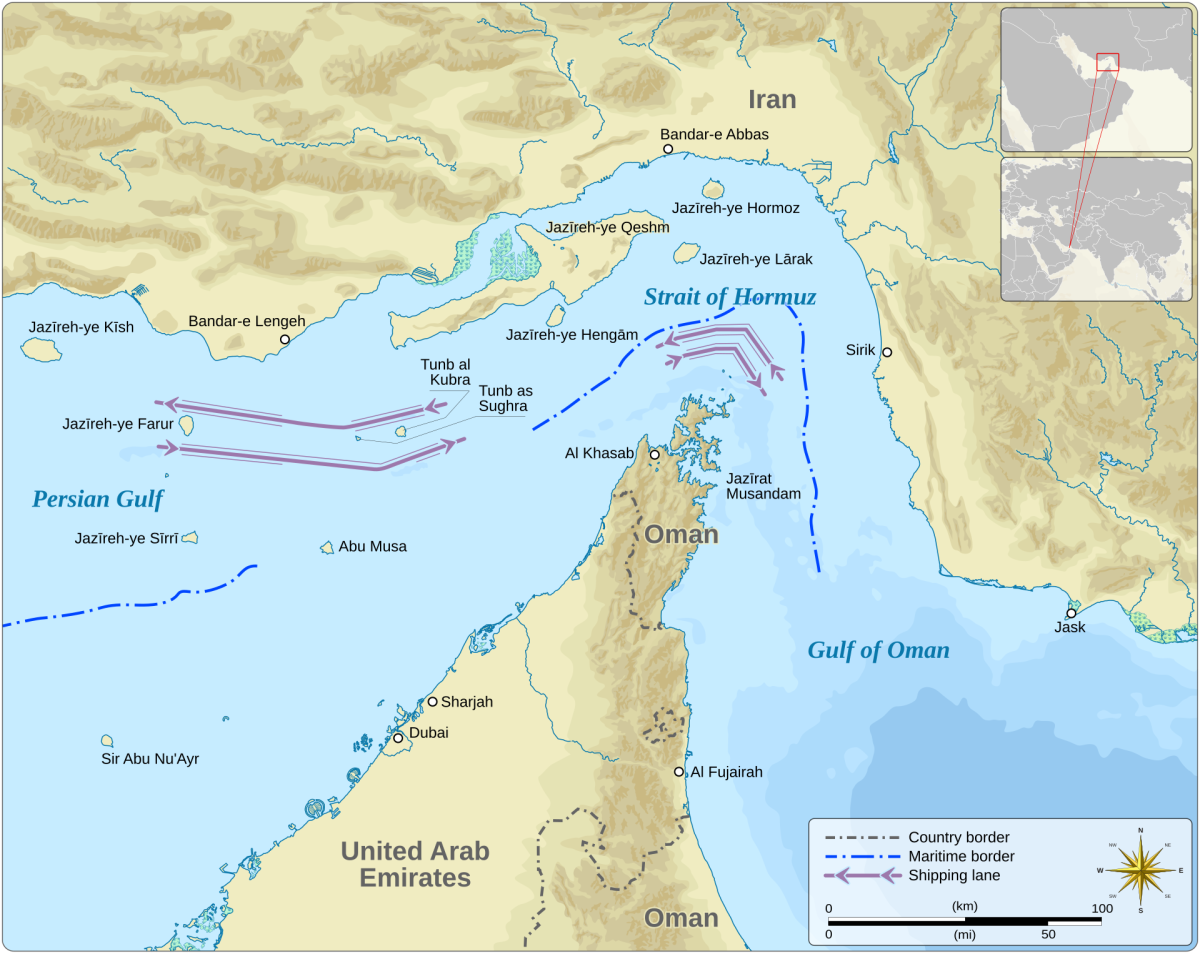
For suppliers overseas, oil passes through key routes like the Strait of Hormuz. Any threat of conflict can alert markets, which cause prices to jump even before anything actually happens. With anticipation of shortages, companies may raise their prices.
