








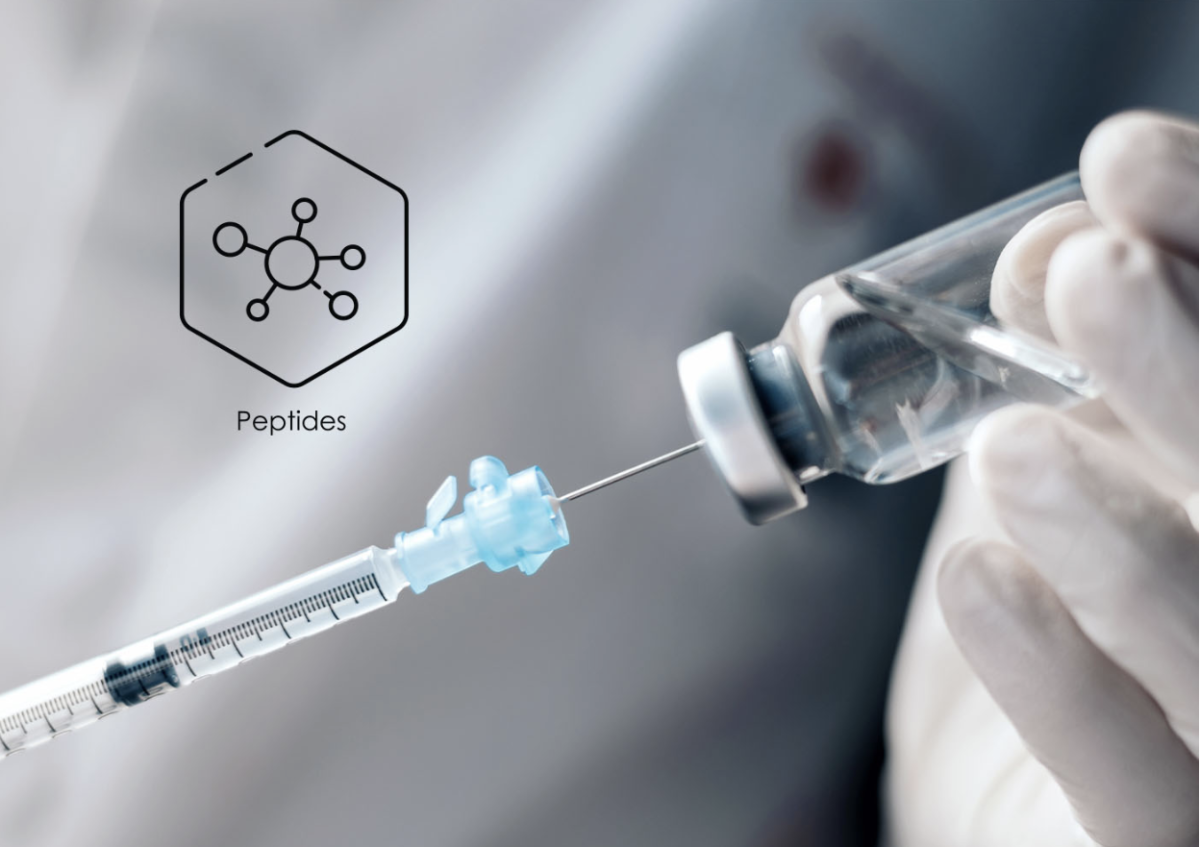
















Creatine is a compound that comes from three main amino acids. Creatine can be found in seafood and red meat, but at much lower levels than those consumed or produced synthetically in supplements. The human body also produces about one gram of creatine per day through the liver, pancreas, and kidneys.
The human body stores creatine in the muscles, where it is used for energy. That is why athletes and weightlifters often take extra creatine through supplements to improve overall athletic performance and increase muscle mass. The majority of the body’s creatine is found in the muscles in the form of phosphocreatine, and the other 5% can be found in the brain and testes. The reason people supplement creatine is that as you increase the storage of phosphocreatine, this form of stored energy helps produce a much higher energy molecule called ATP, which drives fast-twitch muscle contraction to help improve activities like sprinting or weight lifting. High school athlete Luke Moyer (12), explains how, “I started taking creatine my freshman year when I was weight lifting and doing football everyday, and I stopped taking it for a year and immediately noticed that I was less tired and had more energy when I was taking it and a stronger drive to push weights, so I have been taking it for a while now and would recommend it to honestly anybody.”
There is often this stigma that creatine makes people gain weight negatively, since creatine holds water weight. The reality is that creatine can make you gain weight, but not necessarily in a way that increases fat because creatine will typically cause short-term water retention in the muscle cells, not under the skin. Creatine stores water in the muscles, which results in a fuller and firmer muscle appearance. Since creatine is an intracellular retention, it pulls water into the muscle cells, which enhances performance and strength as well as muscle hydration. So, if anyone tells you that creatine makes you gain fat, make sure you let them know that gaining weight from creatine is due to the water and improved cellular health rather than an increase in body fat.
Now, since vegetarians have lower muscle and brain creatine storage due to the fact that they do not consume red meat or fish, supplementing creatine can allow them to enhance exercise performance, improve recovery, boost cognitive function, like memory, and increase muscle power. Studies also show that vegetarians experience significant gains in muscle strength and mass when combining creatine with resistance training.
The daily dosage of supplemental creatine is mainly 5 grams, but it can range from 3-5 grams, and taking it in a supplement form can be much more efficient since naturally it will equal one and a half pounds of red meat, one and a half pounds of red fish, and seven point nine gallons of milk. Since vegans and vegetarians do not consume any animal products and rely solely on the very minimal creation of natural creatine, many will opt to take it as a supplement to gain the benefits it has to offer. Diego Chavez (12) describes how “creatine has significantly improved my performance in the gym, as well as being able to have energy for longer periods of time. Before taking creatine, I often became tired right after school, but since taking it, I have noticed that I no longer feel the urge to take naps as soon as school ends.”
Besides having major impacts on physical and athletic performance, studies have shown that it has a significant positive effect on working memory and intelligence, as well as cognitive performance in older people.
Now, some may wonder, what are the downsides to having low creatine levels? Well, having low creatine levels can lead to low muscle mass or lack of strength, which can cause difficulty in muscle growth and gain. It can, in some cases, contribute to liver or kidney disease or a protein deficiency, which can increase the likelihood of stress fractures. Alongside these, it can cause fatigue and difficulty concentrating as well as a loss of appetite.
All in all, creatine has tons of benefits and is vital to living an energized and healthy lifestyle, especially if you are someone who exercises daily, a vegetarian or vegan, and wants to have extra amino acids.

Ameera Tummuru • May 21, 2026 at 7:51 AM
This article explains what creatine is really well to readers like me who don’t really know what it is.Great job on this article!
Maddie Guan • May 21, 2026 at 7:42 AM
There has definitely been an increase in interest in creatine, and it is important to know what it does. I think people should read this before consuming.
Regina Rodriguez • May 21, 2026 at 7:29 AM
This was super interesting to learn about!