




















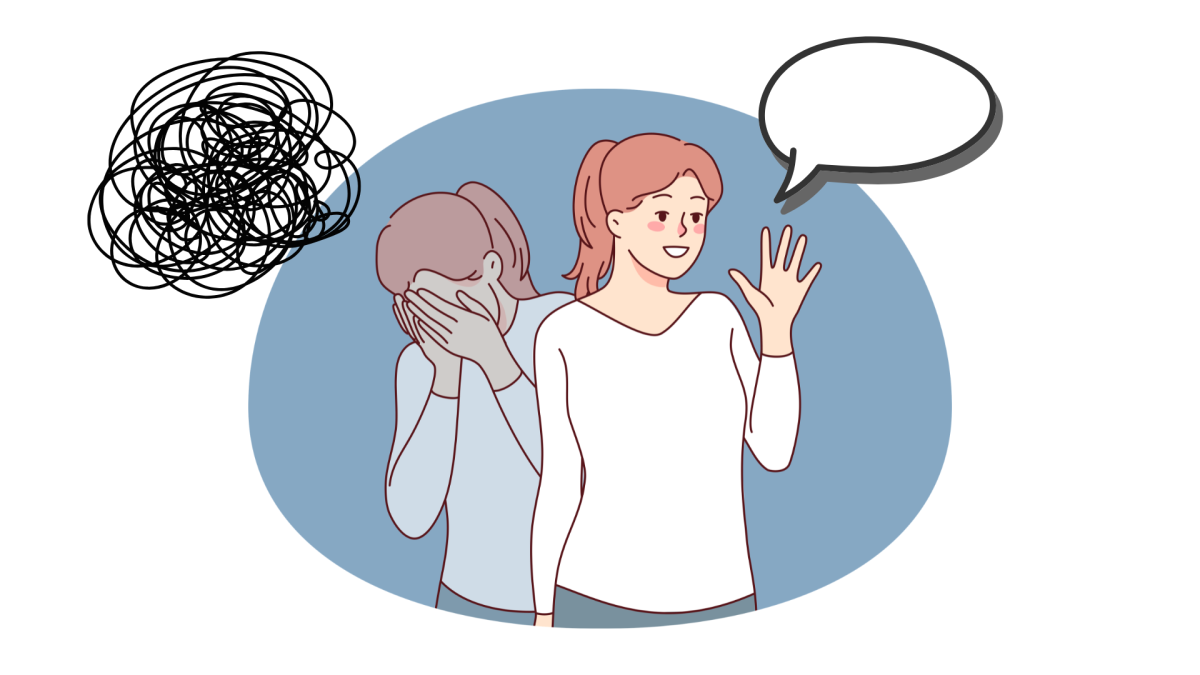
In every high school, there is at least one student or teacher whom everyone turns to. They answer late-night texts, explain assignments before class, and listen when someone needs to vent. People rely on them without hesitation. They become known as the dependable one, the listener, the person who always shows up.
At first, that role feels rewarding. Being trusted by others can make someone feel valued and included. Friendships grow stronger, and helping can give a sense of purpose during stressful school days. Over time, though, that constant responsibility can start to feel overwhelming. Especially when some realize they don’t have the same outlet to release. So as a result, emotions tend to get stored, only to keep building with time.
“I used to think being there for everyone was just what a good friend does,” said Addison Stotler (11) “But after a while, I realized I was ignoring my own feelings. I would be exhausted, but still feel like I could not say no.”
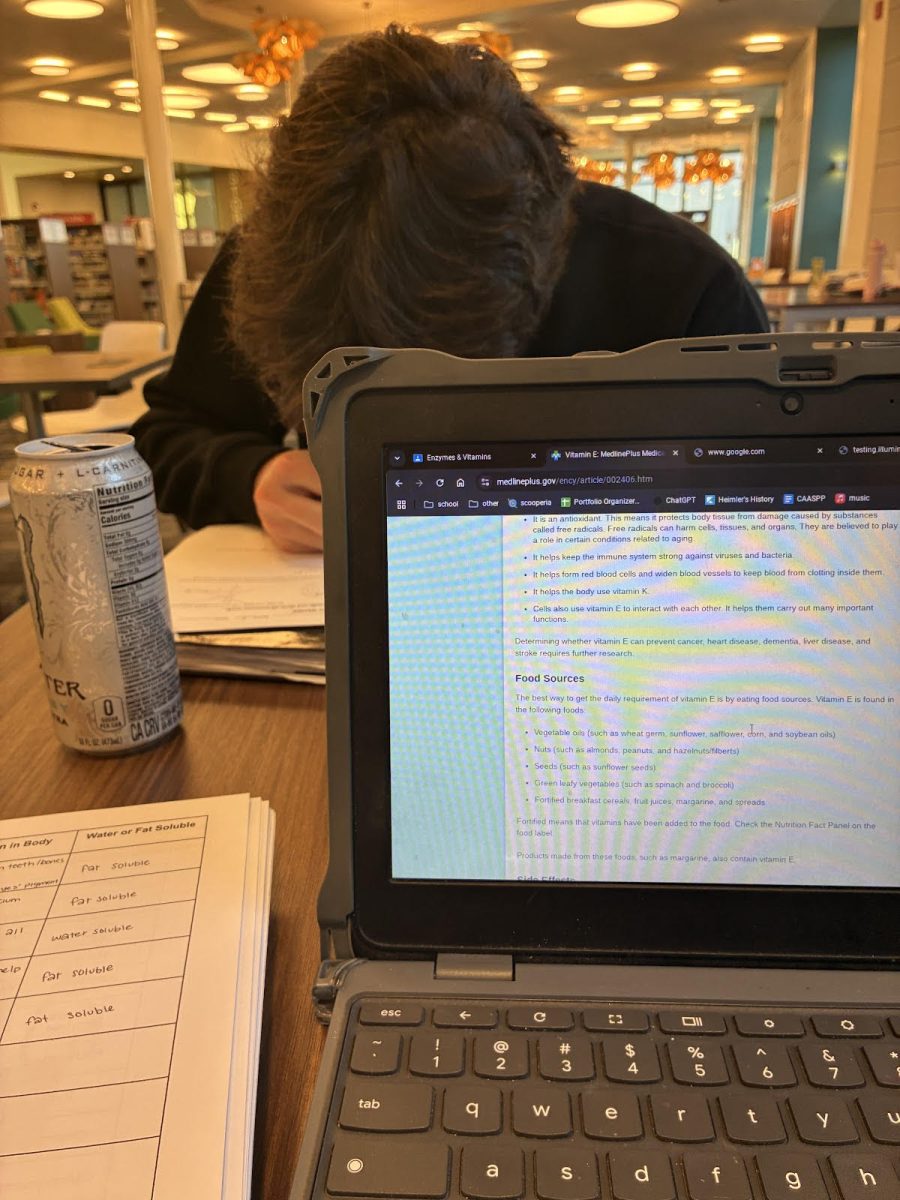
Students who take on this role often juggle more than people realize. Schoolwork, activities, and personal responsibilities already demand a lot of time and energy. Adding the emotional weight of other people’s problems can leave little room to focus on themselves. Stress builds quietly, and it does not always show on the surface.
There is also pressure to stay available. When someone is known for helping, others begin to expect it. Messages come in at all hours, and it becomes harder to step away. Turning someone down can feel uncomfortable, even when it is necessary. Many students worry about disappointing their friends or seeming selfish, so they continue to say yes.
Kenneth Yu, another 11th grader, described how that pressure affected him. “There were times I felt like I was carrying everyone else’s problems on my shoulders,” he said. “I wanted to help, but it got to a point where I did not have energy for myself anymore.”
Over time, this pattern can lead to burnout. Feeling tired all the time, losing motivation, or becoming easily irritated are all signs that something is off. Even strong friendships can feel strained when one person is constantly giving without taking time to recharge.
Finding balance is not always easy, especially in a fast-paced high school environment. Still, small changes can make a difference. Taking breaks from conversations, setting limits on when to respond, and making time for personal interests can help reduce stress. Support should go both ways in any friendship. Students who spend so much time helping others deserve the same care and attention in return. Checking in with themselves, as well as with others, can prevent that sense of exhaustion from building up.
High school is a time when students are learning how to manage relationships along with everything else in their lives. Being there for others matters, but so does recognizing personal limits.
