













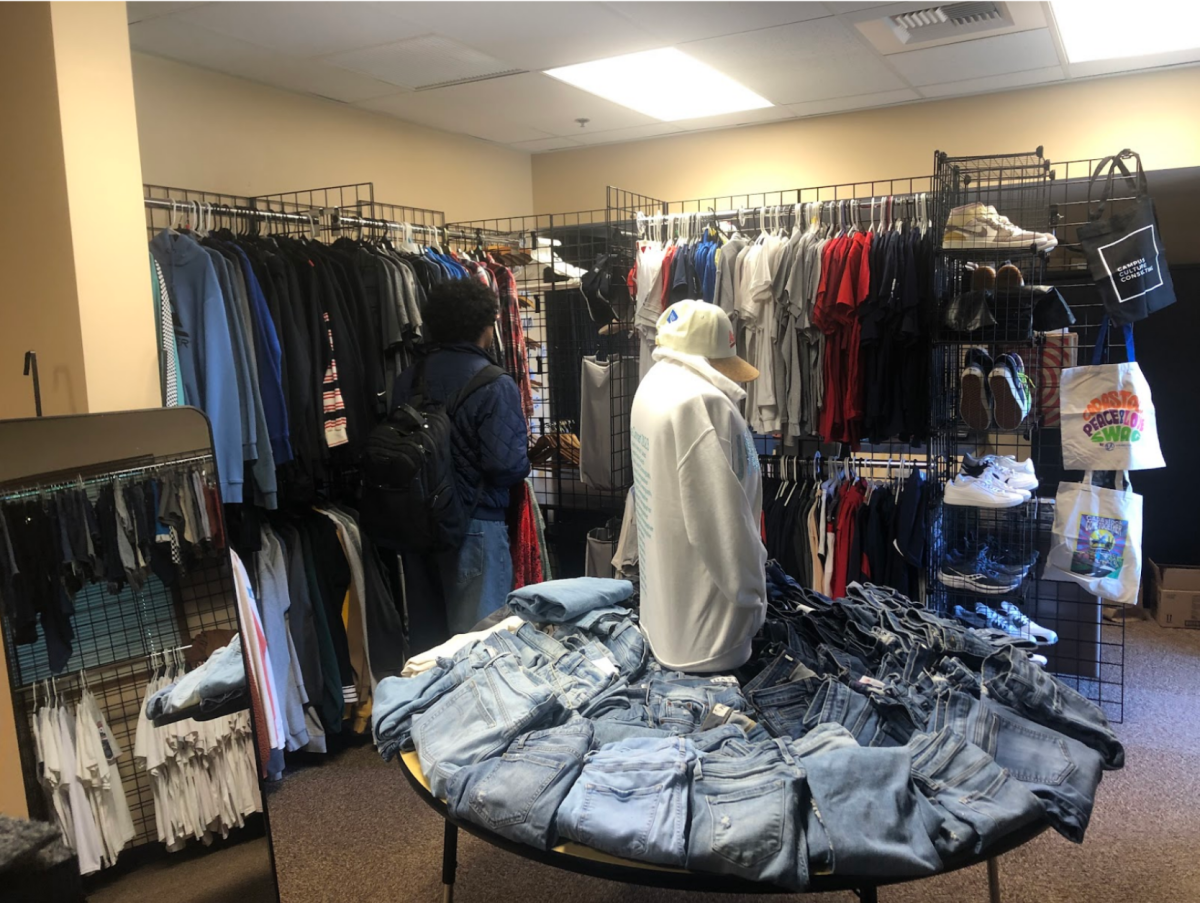


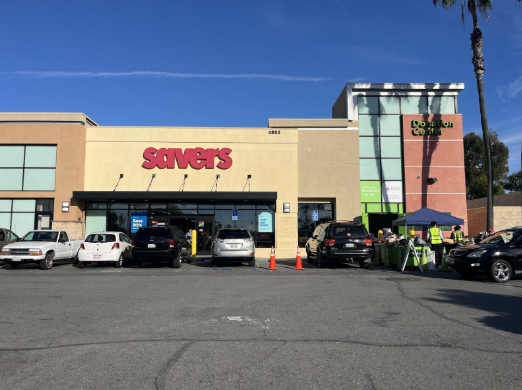
Looking to revamp your wardrobe without the hefty price tag? Well, the nearest Goodwill or Savers is the perfect solution! For years, thrift stores like Goodwill and Savers have been known for offering gently used clothing, shoes, house decor, and more at low, budget-friendly prices. They built their reputation on affordability and accessibility, giving shoppers the chance to refresh their style without draining their wallets. Or, at least, that was the case…
Lately, thrift store prices have significantly increased across many products, especially clothing. In theory, thrift stores’ main purpose is to provide budget-conscious families and individuals with good-quality items without draining their pockets. For years, these stores supported communities by offering affordable options while also promoting sustainability through the resale and reuse of goods.
However, thrifting has recently gained popularity over the past few years, specifically among Gen Z. Now, it is the trend to go thrifting as a hangout, hobby, or even a date! Gen Z has realized the hidden gems and treasures that thrift stores hold, and it has sparked their interest more than ever. Some people even go thrifting with the intention of upcycling, like how Aden Aldama (11) shares, “Usually I’m looking for the quality of the item. For example, when I’m looking for jeans, I’m looking for something between 12-16oz denim. Most of the time, I’m looking for the same color and weight of fabric to make a new pair of jeans.” This idea showcases thrifting as craftmanship and not just bargain hunting.
Not only have Gen Z jumped on the bandwagon of thrifting, but they also put their own spin on it. Many individuals have started buying clothes from thrift stores, only to go onto a popular reseller app like Depop or Poshmark and resell the item for a much greater price. By marking an item as “vintage” or “curated,” online buyers are intrigued and fall into the trap of purchasing an item they don’t even know was at a thrift store for a low price. This entire concept defeats the original purpose of thrifting, but many have turned this into a side hustle or even a business for them. On a positive note, this strategy has benefited people in various ways.
Carter Russell (11), a student with his own thriving Depop, shares his secret in determining whether or not an item is worth reselling: “When deciding whether or not something is worth thrifting, I always think about three things: if there are holes or stains and if I can get them out, if the style of the item is currently popular, and if I will be able to profit when reselling it.”
Reselling does not always deteriorate the art of thrifting; in some cases, it actually helps it. Instead of letting unwanted clothes go to waste at a thrift store, reselling keeps clothes out of landfills and extends the life cycle of these items. Additionally, it makes secondhand shopping available to those who don’t have access to an in-person thrift store.
Because of this, large thrift chains have realized their demographic of customers is buying frequently and in large quantities. In response, stores have started marking up products likely to be resold after purchase or simply because of a specific brand name. They figure someone will still purchase the inflated cost if they can afford it. This trend has affected the joy thrifting brought to people, as Alex Zavala (11) shares, “Over the past few years, I have noticed that there has been a steady increase in price on certain items due to the demand being much higher than it was before. Overall, it has affected the way I shop by not buying many items due to it being around the same price as it would be to go buy it brand new somewhere else.”
With higher prices in thrift stores, low-income shoppers who rely on thrift shopping are negatively impacted. People who shop out of necessity rather than aesthetic are faced with the increased prices, making it harder for them to shop for a lower price. Thrift stores have completely ignored their original demographic of customers and are now solely focusing on their own profit. This outcome has ultimately changed who thrifting is really for: It’s for people who can afford the initial store price, but rather choose to purchase from thrift stores, only to resell the item later for a higher price.
Ultimately, the question remains: is thrifting worth it anymore? The answer isn’t simple; it honestly depends on perspective and demographics. Reselling and upcycling can promote sustainability and entrepreneurship, but rising prices are changing thrifting’s original purpose of affordability. Thrifting used to prioritize accessibility and necessity. Now, it often caters to trend-driven shoppers and profit opportunities. As thrifting continues to evolve, its true value may depend less on the trends surrounding it and more on whether it can remain accessible to the communities it was originally meant to serve.