





















Some students check their grades between classes. Some check their bank accounts.
In 2026, financial independence is no longer just an adult milestone. For many high schoolers, it has become their goal. But what does financial independence actually mean for high schoolers? And is it necessary?
For teenagers, financial independence rarely means paying rent or covering full bills. Instead, what they look forward to is typically being in charge of what clothes to buy and what food to eat. In simple terms, it is to have a sense of control over personal spending.
“Having your own income is a super cool way to gain an extra form of independence,” Kayla Duke (12) says, “I never feel guilty about splurging on that extra treat for myself, and I feel much more confident about college funds.”
Ways to earn money as a high schooler are varied, too. Some students take traditional part-time positions. Others build something of their own.
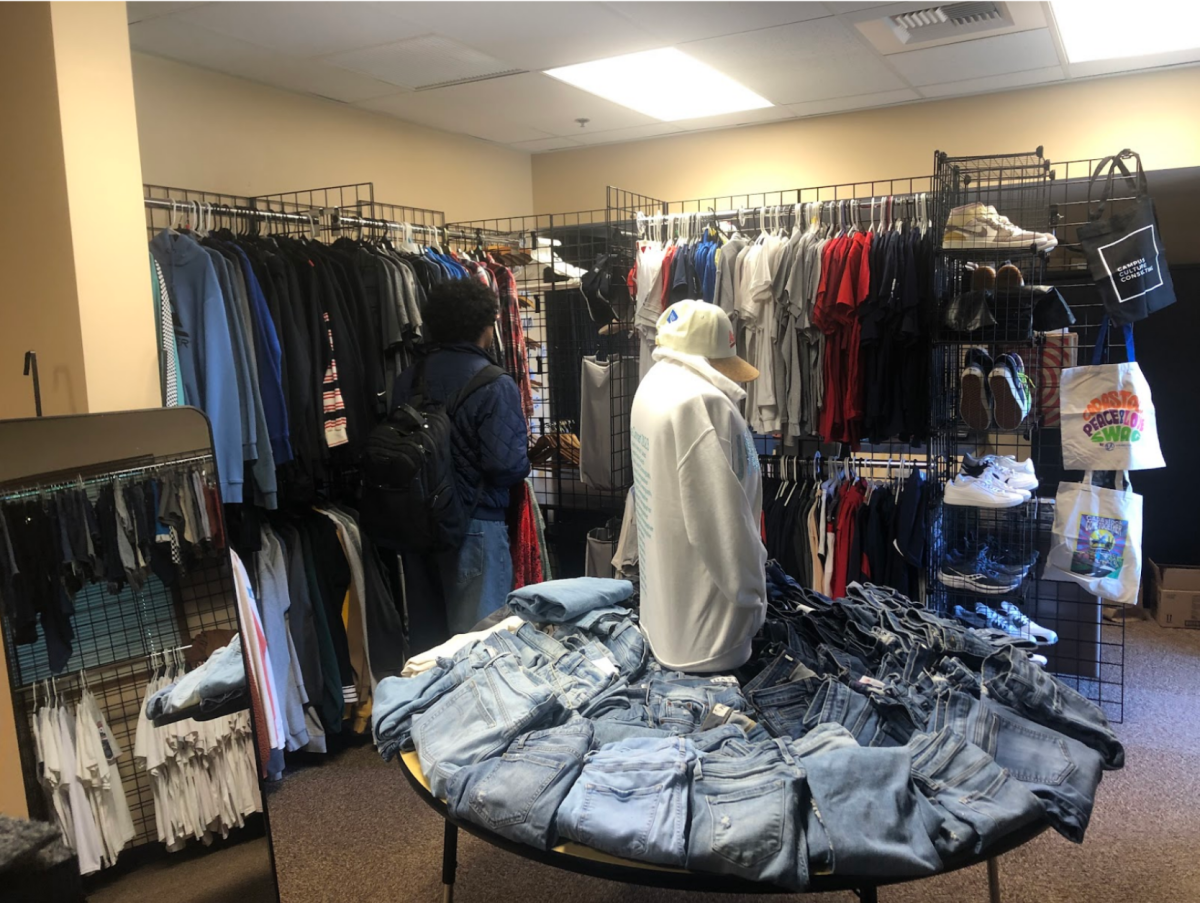
Roxanne Rasch (10), who runs a clothing shop called Mako Vintage, said her motivation started with wanting to support herself: “I wanted to turn something that I loved into a business, and that is what motivated me.” Roxanne “sells the clothing online and at markets,” which is “very desired among the younger generations.”
Earning money is one part of the experience; managing it is where financial independence truly develops.
Kayla follows a 20-40-40 rule by setting “20% of [her] funds aside for future investments, 40% into a savings account, and 40% into a checking/spending account.” Kayla explains, “On average, I get about $50 per set, so that would be $10 towards investment, and $20 towards both savings and spending. Usually, though, I just total my funds of the week and divide them from that sum.”
But entrepreneurship isn’t as effortless as it appears online.
“People often don’t realize how busy high school students are. It’s hard for me to manage clients, varsity sports, club sports, AP classes, friends, family, and time for myself. It can be draining if not spaced out correctly,” Kayla says.
And that is why not every student chooses to work.
Sophia Defour (12) clarifies that “I am dedicated to challenging myself and doing my best work in school, and making time for extracurriculars helps me find balance in my schedule and ensure that I have downtime away from my school work. Aside from that, I don’t have enough free time to allow me to work a job.”
The decision to work in high school is not one-size-fits-all. What matters is the growth. Whether through employment, entrepreneurship, or other commitments, students are learning how to manage time, responsibility, and priorities.
In 2026, building financial independence in high school is less about rushing into adulthood and more about preparation. The question may not be whether every student should have a job. It is what each student is doing now to build the foundation for later.
