















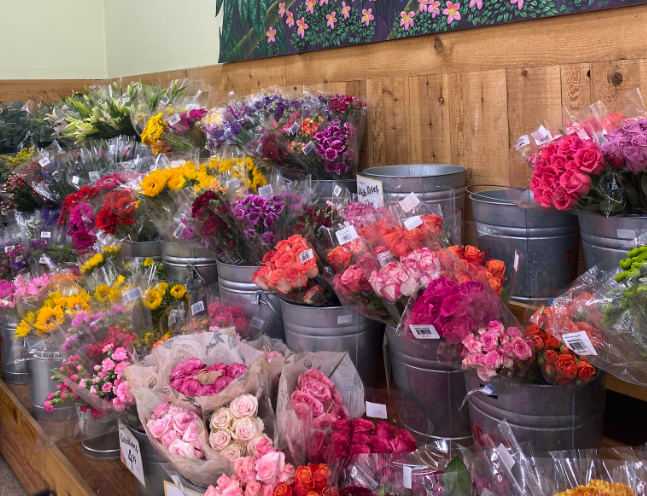







Birth flowers, like zodiac signs and birthstones, have different meanings for each month, expressing an individual’s personality and characteristics. Birth flowers are divided into the main sign and sub sign, which are the primary and secondary birth flowers. These birth flower meanings usually come from mythological stories, histories, and cultures.
January:
Primary: In January, the carnation symbolizes affection and love. Carnations come in different colors, each possessing different meanings. Pink carnations usually illustrate gratitude, while white carnations represent good luck. Red carnations show love; in contrast, yellow means rejection and disappointment. Carnations have all sorts of colors, but the most popular ones are pink and red, which are commonly given to mothers on Mother’s Day. Due to being the official Mother’s Day flower, it is said that women born in January are kind and motherly.
Secondary: The drooping bell-shaped white flower known as the snowdrop represents the arrival of spring as it blooms. With a new year, it usually symbolizes a new beginning and hope. It also has the meaning of overcoming challenges and bringing positivity. The white petals are referred to as innocent and pure, often gifted as encouragement for a new start or hope.
February:
Primary: While January focuses on new beginnings, February transitions into modesty and loyalty with the violet. This flower symbolizes being humble, since true elegance comes from humility. Violets are also perennial flowers, meaning they always occur yearly. This represents faithfulness and the constant return of a reliable presence.
Secondary: With vibrant petals and a yellow center, primrose symbolizes the passion of young love and longing. Different colors of primrose have slightly different definitions, but most of them relate to love and devotion.
March:
Primary: Shifting from winter into spring, daffodils represent resilience, hope, and a fresh start. Blooming after winter signals the end of the past and the start of a brighter future. March babies are confident and adaptable to new situations. It can also symbolize energy and creativity, though this is less common. Throughout different regions, daffodils have different descriptions. A few notable ones are prosperity in China, joy in Japan, and hope in France.
Secondary: Jonquil, a type of daffodil, is often associated with joy, love, and a desire for reciprocated love.
April:
Primary: Into the heart of spring, daisies’ white petals symbolize a person’s innocence. During the Victorian Era, when a person was given daisies, it depicted that the person was trusted to keep a secret, showing loyalty.
Secondary: Sweet peas, with petals resembling butterfly wings, indicate grace and gratitude. They also carry the emotional weight of goodbye. In different countries, sweet peas can be interpreted as a good-luck charm, a farewell, a new beginning, or a representation of youth.
May:
Primary: Another flower that symbolizes innocence and purity is the lily of the valley. This sweet flower represents making one’s life complete, warding off evil, or showing a mother’s love with its soft appearance.
Secondary: The Hawthorne represents hope and optimism, signifying the joy that May brings.
June:
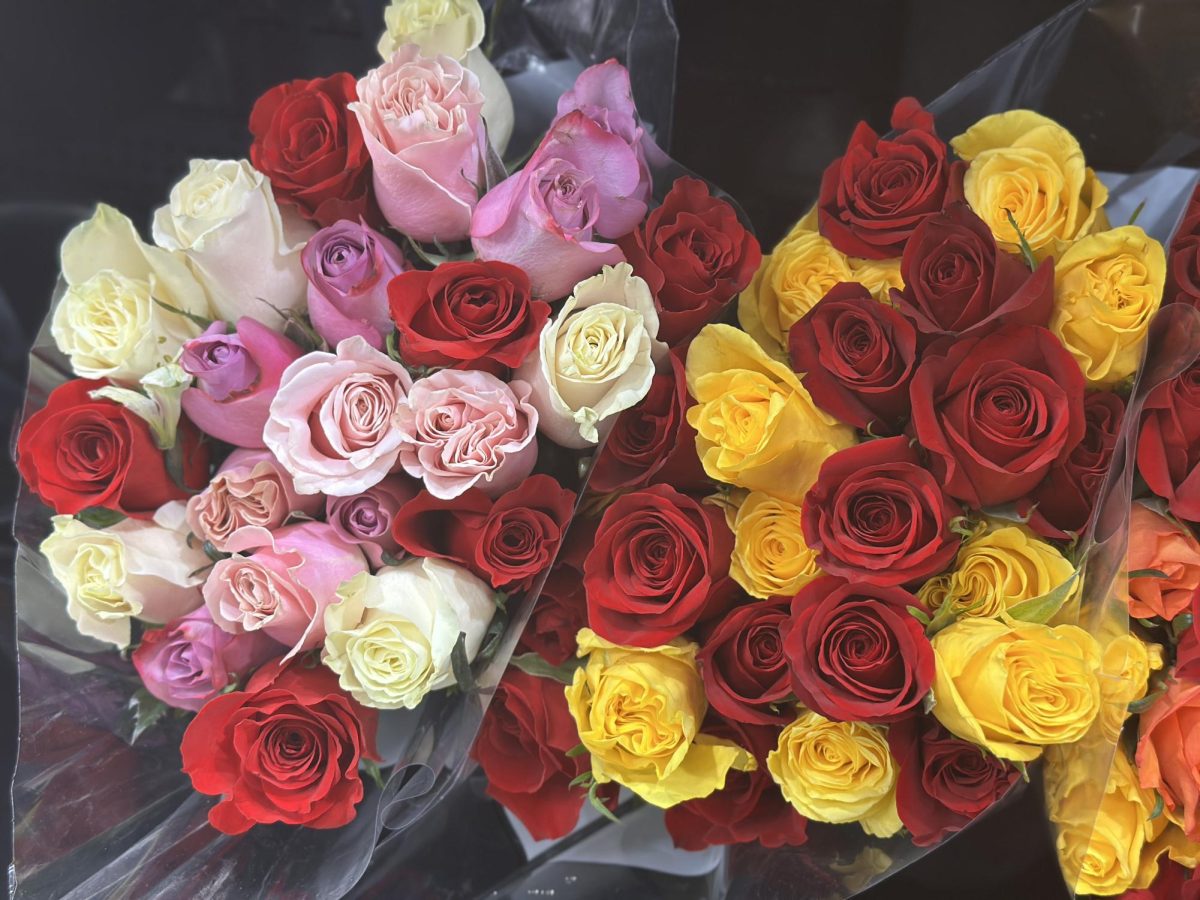
Primary: Roses, the flower everyone thinks of when love is mentioned, denote romance, beauty, and honor. In relationships, it tells your partner that you are ready for a more serious commitment. Red roses mean love and passion, orange depicts energy, yellow denotes friendship, green signifies stability, white reflects a fresh start, and pink illustrates gratitude. Those born in June tend to have a lot of love to give.
Secondary: Devotion and commitment are illustrated with honeysuckle. Some cultures believe that honeysuckle also exemplifies nostalgia and memories.
July:
Primary: Larkspur, known for its vibrant colors, symbolizes strong bonds of love and lightness. Individuals born in July are carefree and have a loving nature. Additionally, they love attention.
Secondary: Found in the water, water lilies are associated with growth, renewal, and peace. This secondary flower often signifies enlightenment and rebirth.
August:
Primary: The tall, strong stems of gladiolus indicate resilience and unwavering integrity. Derived from the Latin word “sword,” gladiolus shows that those born in August have strength and integrity. This flower can also mean love at first sight, since people believed that the gladiolus can pierce another person’s heart with love.
Secondary: The poppy, with its variety of colors and cupped-shape petals, embodies creativity and dreams. Depending on its color, the poppy can also represent luxury or success.
September:
Primary: As fall starts to roll in, the daisy-like aster with a star-shaped flower head begins to bloom. The word aster is derived from the Greek word for “star,” showing that those born in September often shine on the stage. They are often more likely to have favorable luck since aster is used to ward off evil. It also exemplifies love and wisdom, shown through the emotional qualities of those born in September.
Secondary: The trumpet-shaped flower, morning glory, projects affection, unrequited love, and mortality. It also represents daily renewal since they bloom early but fade early too, telling people to live in the moment.
October:
Primary: Blooming from late spring to fall, marigolds embody the artistic and passionate nature of individuals. These people are often creative and positive, reflecting the vibrant and colorful petals. Marigolds are also linked to prosperity, love, and success.
Secondary: With its neatly ordered petals, cosmos is derived from the Greek term “kosmos,” denoting the world, order, or harmonious agreement. The petals are an example of the harmonious world. This flower stands for harmony, peace, and balance, which relates to the October zodiac sign of Libra.
November:
Primary: Chrysanthemum illustrates friendship and love, which can be seen with people born in November. These individuals are warm and highly sociable. In China and Japan, chrysanthemums symbolize youth and are believed to promote longevity.
Secondary: The colorful pink, red, and white of peonies reflect the passion of those born in November. It is derived from peonies’ representation of honor, romance, and prosperity.
Olivia Li (9) shares, “As someone born in November, the birth flower of chrysanthemum relates to me because I highly value friendships.”
December:
Primary: Narcissus, also known as paperwhites, stands for hope and optimism after the year is over. It shows rebirth and a new beginning, reflecting a fresh start for the new year.
Secondary: The holly flower expresses protectiveness due to the myth of it shielding homes from lightning strikes. Although this myth is false, people who are born in December have the reputation of being protective.
From the loyalty of daisies in April to the artistic nature of those born in October, birth flowers are more than just a pretty decoration. Each flower holds its own symbol and meaning, reflecting the traits of the individuals born in that month. Allison Lee (9) states, “After learning about birth flowers, I will consider the flower’s meaning the next time I give flowers to friends.” As Allison said, the next time you give someone a bouquet, think about birth flowers and how they express their personalities.

Kaitlyn Wang • Apr 23, 2026 at 7:33 AM
Wow! These birth flowers are so accurate and fun to read about. I love how you formatted this, making it easy to read and learn about.
Simran Vaswani • Apr 23, 2026 at 7:25 AM
Thanks for sharing, Kerrine! I never knew that there were “birth flowers” and it’s so cool that I can read up on mine!