

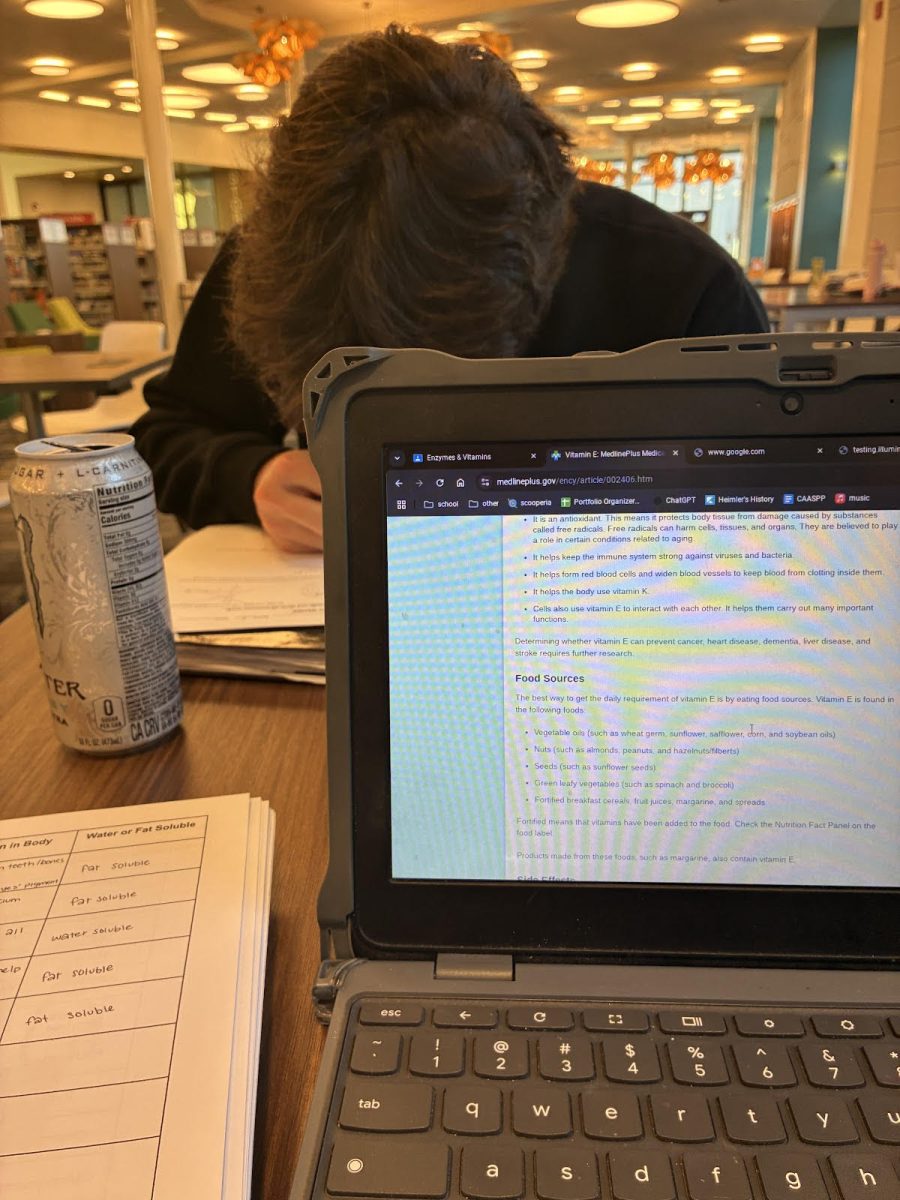




















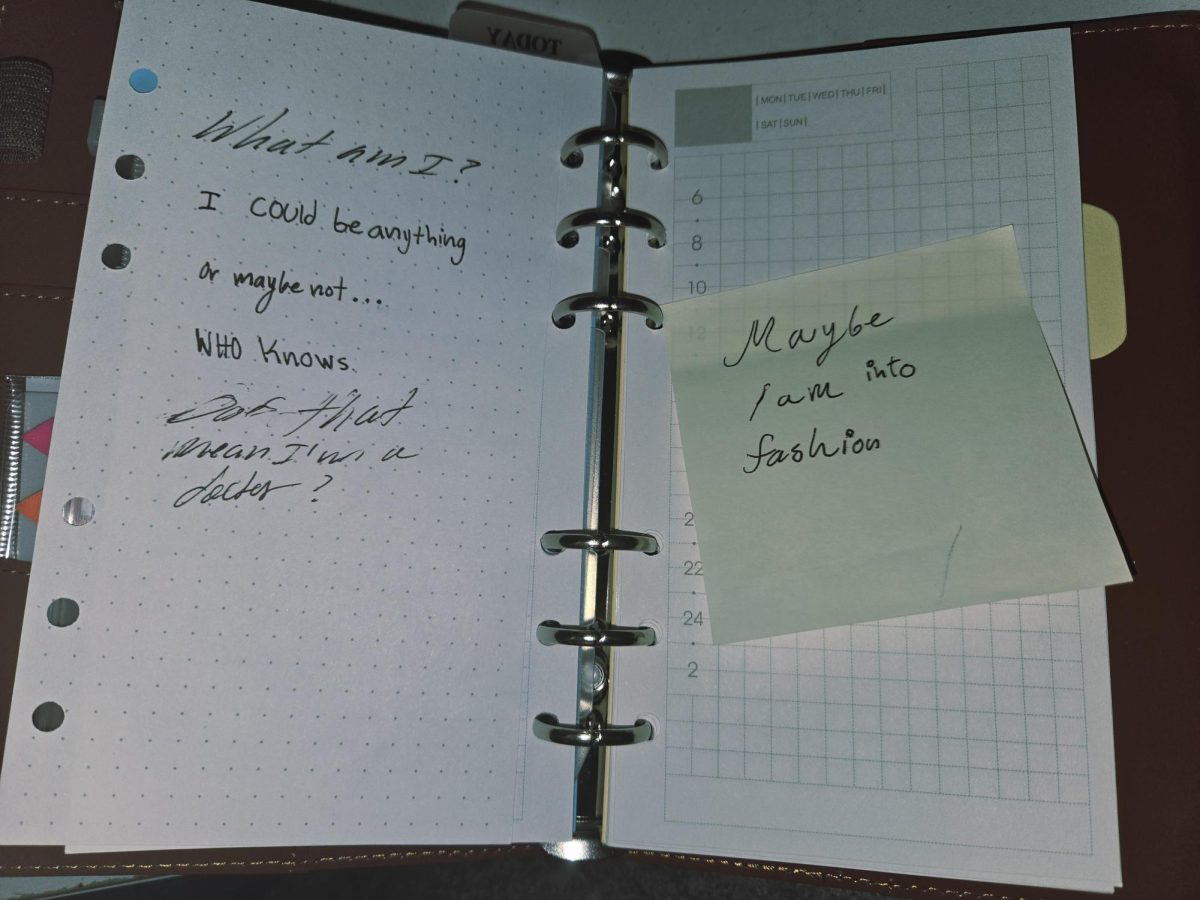
Handwriting may seem like a rudimentary skill, but the intricacies of each stroke are more revealing than you think. Whether faint, scratchy, smooth, or dark, these results are often correlated to a certain way of thinking that can be categorized into a specific profession. Hence, many of you have seen the stereotypical handwritings of lawyers, doctors, artists, architects, and many more. Although these stereotypes are overwhelmingly true, many other predictors are reflected in handwriting, and one thing is not always an indicator of another.
Handwriting is closely connected to a cognitive process, as it activates neural pathways associated with memory, critical thinking, and comprehension. This is why people who write on paper gain a deeper conceptual understanding as time goes on.
Something so simple can easily translate into the workplace. Professionals are able to synthesize information effectively and thoughtfully. Fields like law, medicine, and research particularly require quick thinking and deep processing that typically result in sloppy or illegible handwriting. Unfortunately, deciphering your doctor’s prescription will forever be a universal struggle.
Now for the second predictor: personality characteristics. These can more reliably predict career trajectories. While many experts argue differently when analyzing handwriting to assess personality, some traits are too significant to overlook.
Neat, organized handwriting can indicate an affinity for order and detail. Consistent spacing can indicate that someone is good at planning. Rushed and erratic handwriting can indicate tendencies to prioritize speed over perfection. People with these characteristics bring the same energy into the workplace. Behind a desk with a calendar above, organized files ready for retrieval, or making abstract sketches in an art studio. As they say, “each mind is its own universe.”
Brent Singerton (11) shares a similar situation: “My handwriting is notably terrible and always has been. I do want to go into engineering, so I guess the stereotype fits.” Aiza Sheik (11) shares a similar thought, explaining: “I actually never thought about it like that. I guess my sloppy handwriting could mean I’m just artistic. I mean, I do want to go into fashion, so I guess that makes sense.”
As for me personally, it really depends on my mood. I write neatly when I want to feel organized, sloppily when I’m feeling tired, and normally when I’m not particularly feeling one way or the other.
That said, I find it fascinating that handwriting can be a great indicator of a future career, but I don’t think it’s entirely accurate. I have seen some doctors with perfect handwriting who were under time constraints, so it’s really a multitude of factors that play into this idea. Altogether, I encourage you to really think about your handwriting beyond surface level and really analyze how you are feeling. It doesn’t necessarily have to be to think about your future. Just live in the moment.
