




















Have you ever tried to complete multiple assignments at once, only to find that none are finished or their quality is subpar at the end of the day? People have stated that multitasking is a myth, and it never results in productivity. However, there are instances where multitasking saves time and gets more things crossed off the to-do list. If used wisely, multitasking can be a huge time-saver, but if used incorrectly, it can delay task completion. So how do you determine which tasks are suitable for multitasking?
Multitasking is when you try to complete two different tasks at the same time. It is often perceived as a way to be productive and achieve more goals within a shorter period of time. When individuals feel that they are successful in multitasking, their brains are triggered with the dopamine-addiction feedback loop. It releases dopamine, which results in a happy feeling. However, when we get a dopamine rush, it can be dangerous because it often leads us to overlook mistakes.
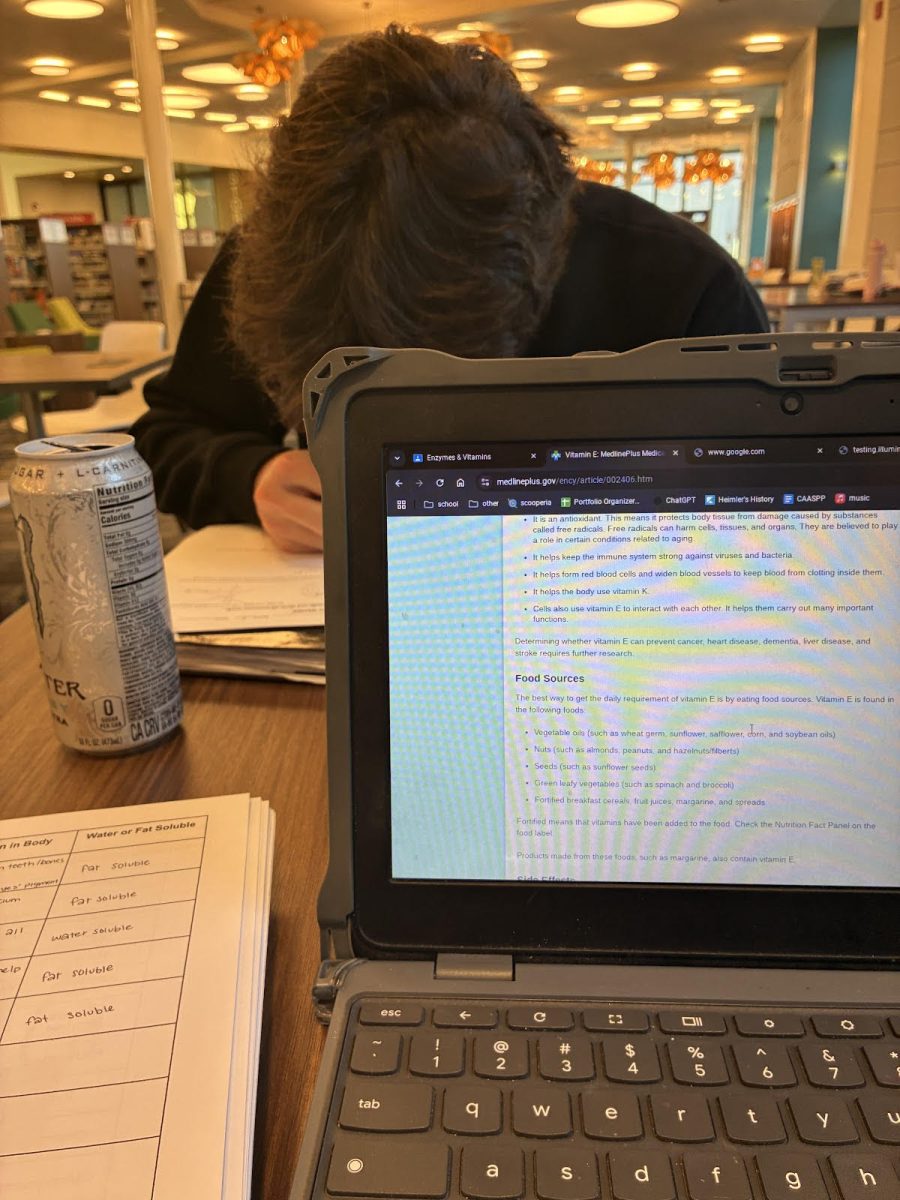
Research has shown that when we multitask, our brains switch between the two tasks, resulting in less attention for both and wasted time. Psychologists have found that the brain cannot handle heavy-duty multitasking. When people multitask, it reduces productivity by 40%. Emily Sun (9) shares, “When I get a notification on my phone, I’ll start texting, and it makes it hard for me to get back into focusing on homework. I also might jump onto reels and scroll for a while.”
Although a lot of the time we do not feel or see it, multitasking can become harmful to our health. Studies have proven that it can impact our short-term memory, increase cortisol (stress levels), and raise blood pressure and heart rate. The increased amount of cortisol can result in depression and anxiety because it affects one’s mood. High cortisol results in an increased feeling of fear and worry, which can eventually develop into depression and anxiety.
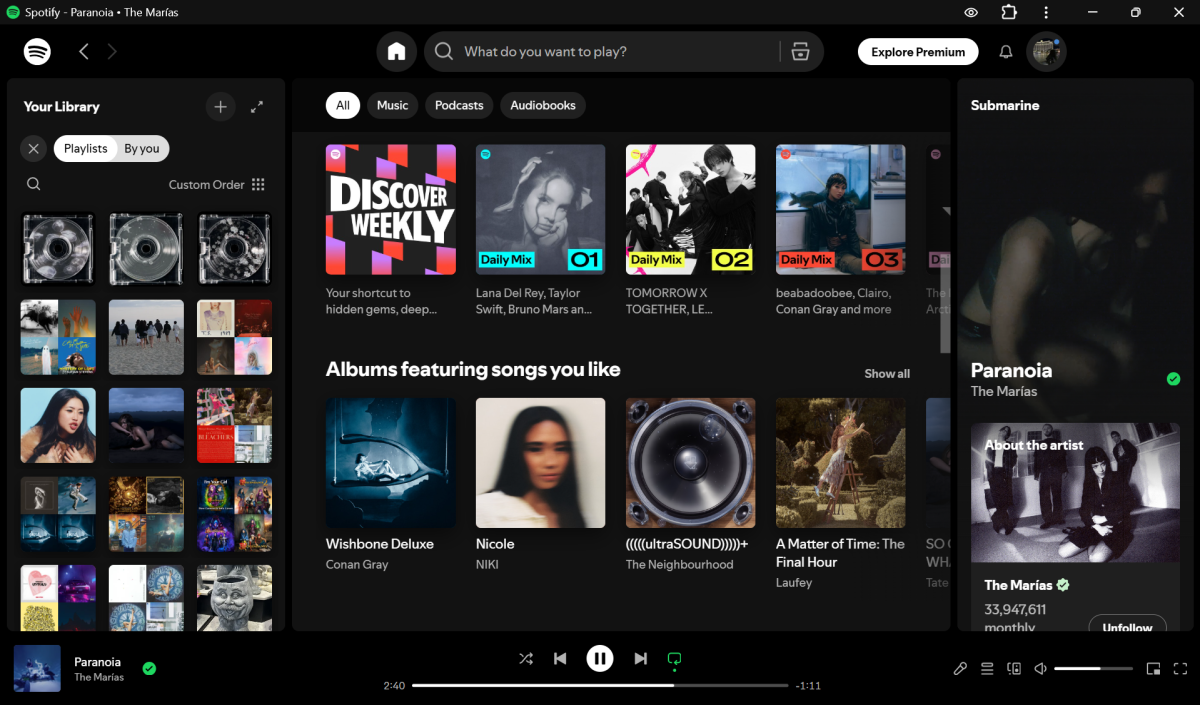
However, not all types of multitasking are counterproductive. Multitasking is seen as ineffective when multiple tasks require the brain’s attention. Nevertheless, multitasking is useful when tasks do not require your brain’s focus or attention. For example, when individuals do the laundry before starting their homework, they waste less time since the clothes will be done washing when they are done with homework. In this instance, multitasking would actually save time instead of decreasing productivity. Janey Zheng (10) states, “I think drawing while listening to music is a type of productive multitasking. However, when I do homework while being distracted by drawing, it crashes my brain.”
Low-cognitive tasks are defined as tasks that involve routines or low concentration. These tasks are usually memory-based and require minimal thought. Some examples include folding clothes, organizing items, or cleaning your room. On the other hand, high-cognitive situations require more mental energy, critical thinking, and problem-solving. These can include finishing homework, taking notes, or writing an email. Therefore, multitasking works well when a low-cognitive task is paired with a high-cognitive task, while two high-cognitive tasks should not be paired.
In the workplace, many people look to hire employees who can multitask. These employers are searching for people who can shift their focus to multiple tasks without losing efficiency or spending unnecessary time. It is not necessarily about being able to do multiple tasks at once, but the ability to shift their focus instantly.
Multitasking should not be labeled as “good” or bad.” It depends on the way it is used and how it is used strategically. By pairing a low-concentration task with a high-concentration task, individuals are valuing quality over quantity. In a world where time is gold, many individuals prefer to multitask, hoping to get more things done. However, they are neglecting and overlooking the trade-off in which the quality of the work decreases. In these situations, monotasking is the most optimal choice.

Melody Sutanto • Feb 26, 2026 at 7:47 AM
I find that a work-reward or compartment system works best for me, so I understand that multitasking may not always be the best, and some tasks are better done separately.