
























The alarm rings at 6:30 a.m. It cuts through the dark room, sharp and sudden. Before the sound has fully faded, a hand slides out from under the blanket and reaches for the phone on the nightstand. The screen lights up the ceiling with a pale blue glow. Notifications stack on top of each other. Overnight messages. New posts. Breaking news alerts. Without even sitting up, the day has already begun.
There is no pause. No moment to stare at the ceiling. No quiet stretch of thought before everything rushes in. The silence of the morning lasts only seconds before it is replaced by tapping, scrolling, and the steady stream of 10-second videos and dopamine.
For many of us, this has become a common routine, and because of it, silence feels awkward now.
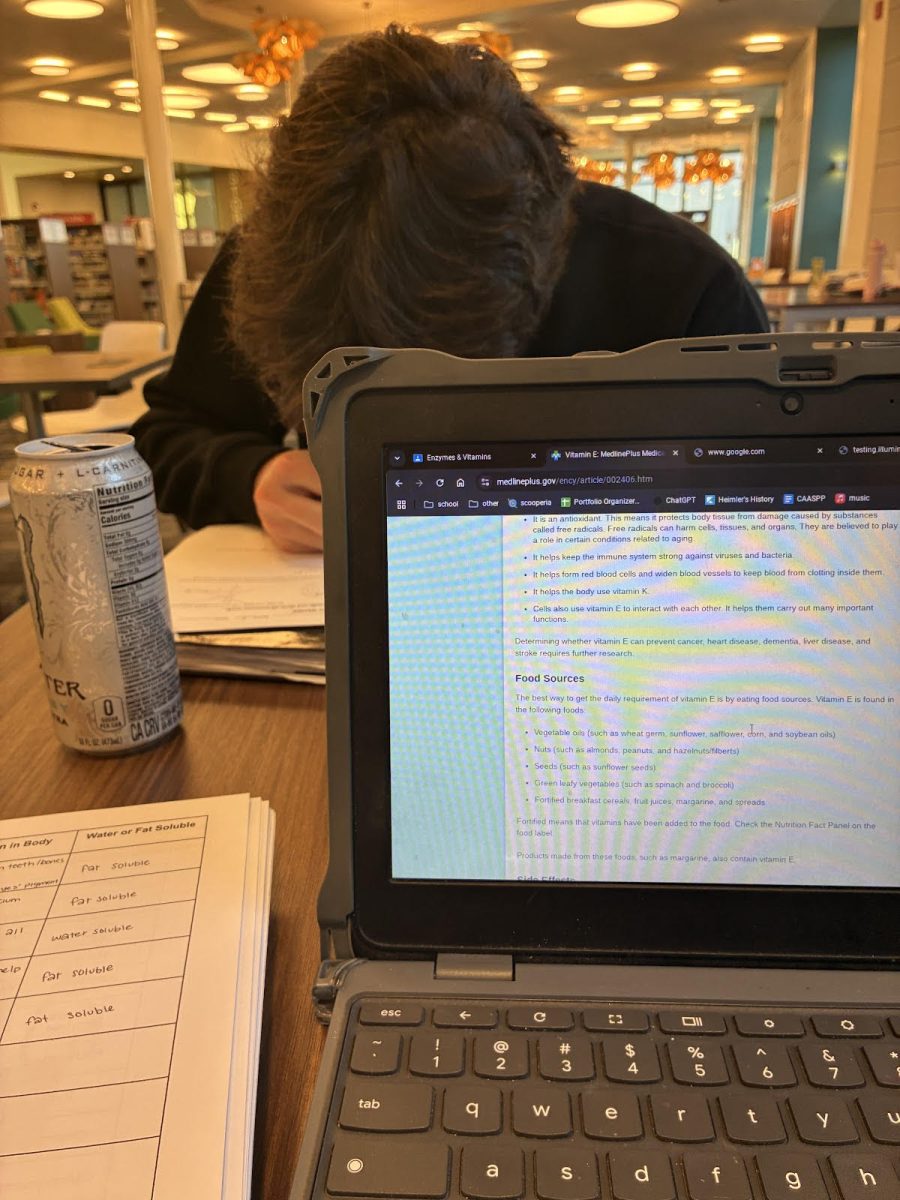
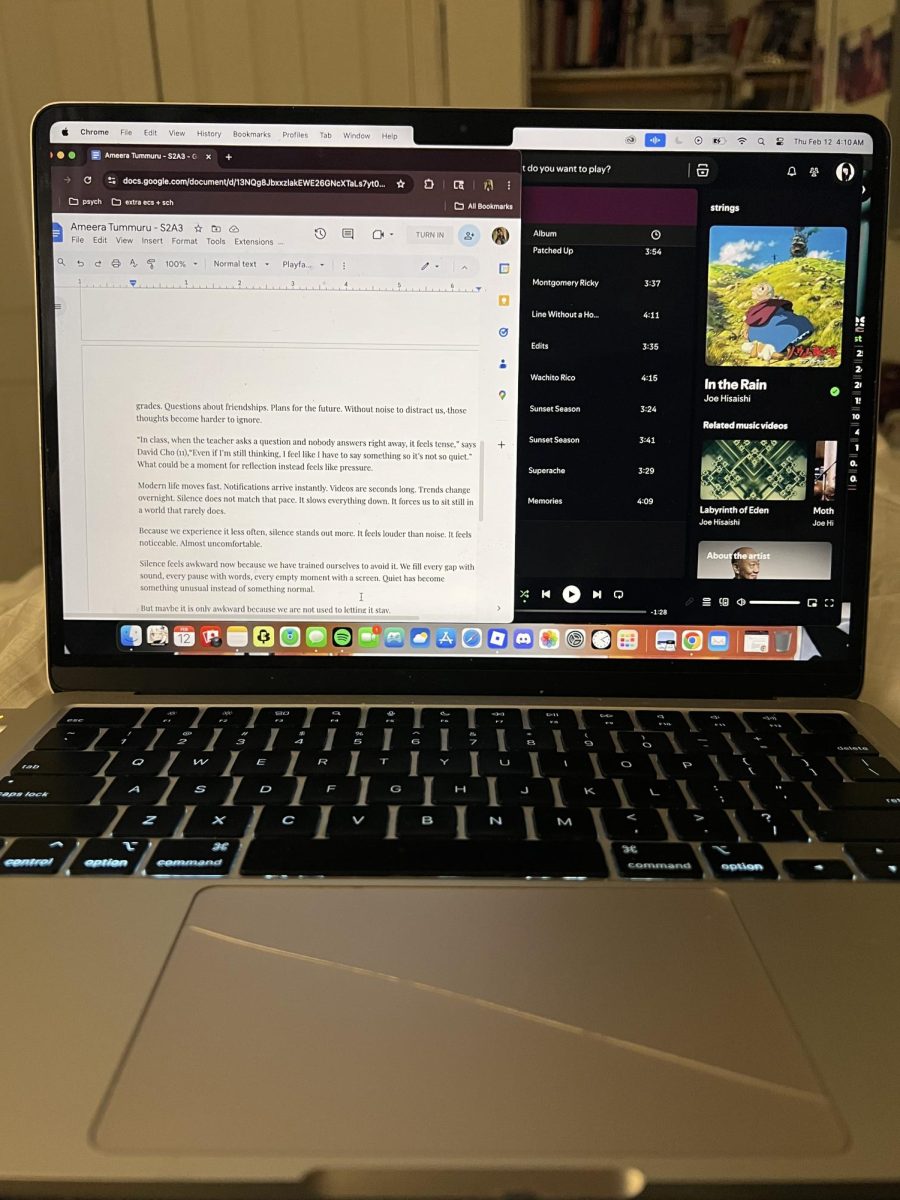
Our lives are filled with constant sound and stimulation. Music plays while homework gets done. Videos run while we eat. Group chats buzz during class. Even a short car ride is filled with playlists or podcasts. The spaces that once held quiet have been replaced with background noise.
When silence does finally appear, it feels unfamiliar.
In conversations, even a brief pause can feel awkward. Three seconds pass, and it seems longer than it is. Someone clears their throat. Someone laughs nervously. Someone rushes to fill the gap with the first thought that comes to mind. We are used to immediate replies, typing bubbles that show someone is responding, and conversations that move quickly. A gap feels like something has gone wrong, that we are not entertaining enough or clever enough to think of something to say.
“I feel like if I stop talking, people will think I’m awkward,” says Melena Thune, a junior in high school, “So I just keep saying things, even if I don’t really need to.” Her words capture the pressure that many students, including myself, feel to keep conversations alive at all times.
Part of the discomfort comes from expectations. We are supposed to be interesting, quick, and socially confident. Silence can feel like a spotlight, drawing attention to what we are not saying. It can feel like judgment, even when it is simply someone thinking.
Another reason silence feels uncomfortable is that it leaves us alone with our thoughts. When the room is quiet, and there is no screen in front of us, our minds get louder. Worries about grades. Questions about friendships. Plans for the future. Without noise to distract us, those thoughts become harder to ignore.
What could be a moment for reflection instead feels like pressure.
Modern life moves fast. Notifications arrive instantly. Videos are seconds long. Trends change overnight. Silence does not match that pace. It slows everything down. It forces us to sit still in a world that rarely does.
Because we experience it less often, silence stands out more. It feels louder than noise.
Silence feels awkward now because we have trained ourselves to avoid it. We fill every gap with sound, every pause with words, every empty moment with a screen. Quiet has become something unusual instead of something normal.
But maybe it is only awkward because we are not used to letting it stay.

Tessa Kientz • Feb 12, 2026 at 7:02 PM
This is a great article. It puts so well into words what I and I’m sure so many others have thought and felt, and it was so interesting to read. Even your wording felt short and quick to hold readers’ attentions, so overall great job!