

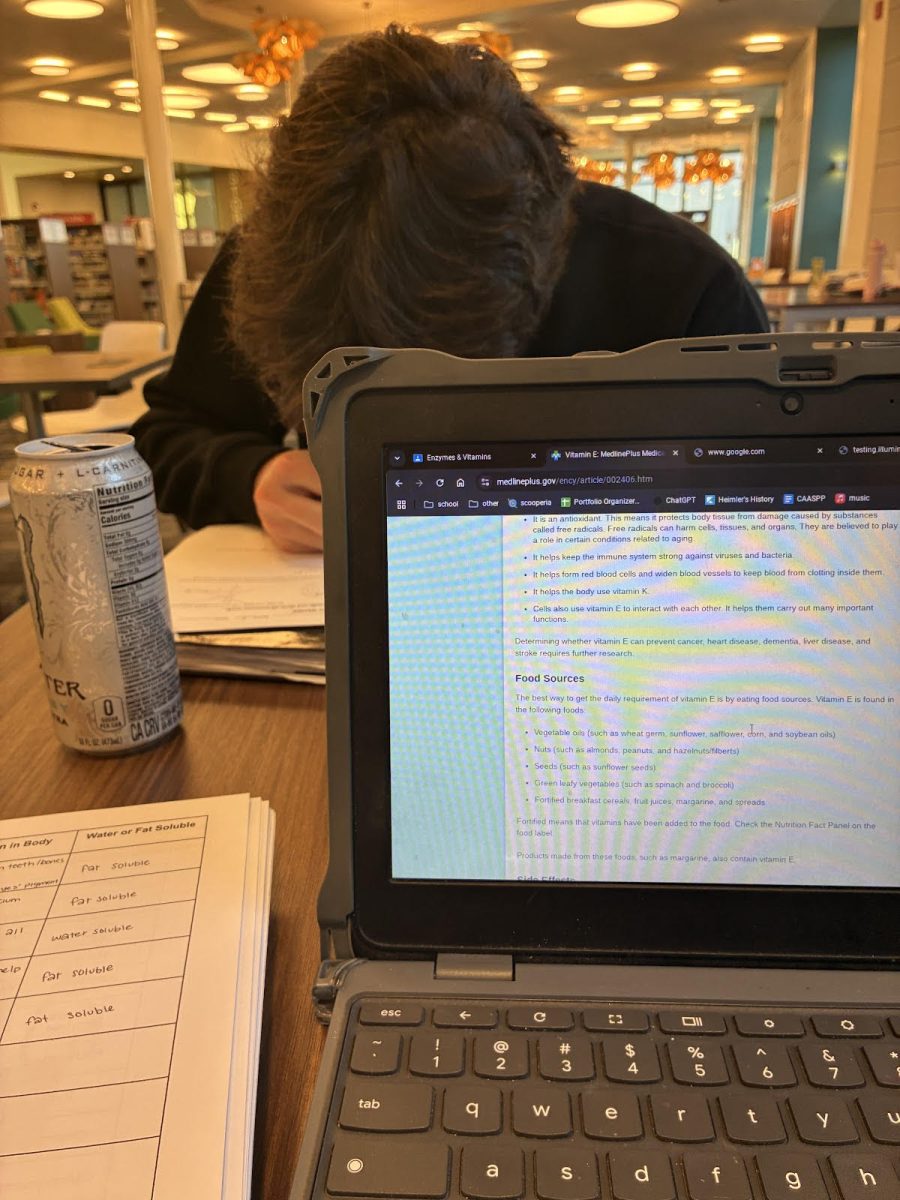

















Most students know the feeling of staring at a blank document while an assignment deadline gets closer. Even when homework is important, it usually just feels easier to scroll through social media, watch videos, or text your friends instead of actually getting started. This struggle with motivation isn’t just laziness, but instead, according to psychology, it has a lot to do with how the brain is wired to respond to rewards, stimulation, and stress.
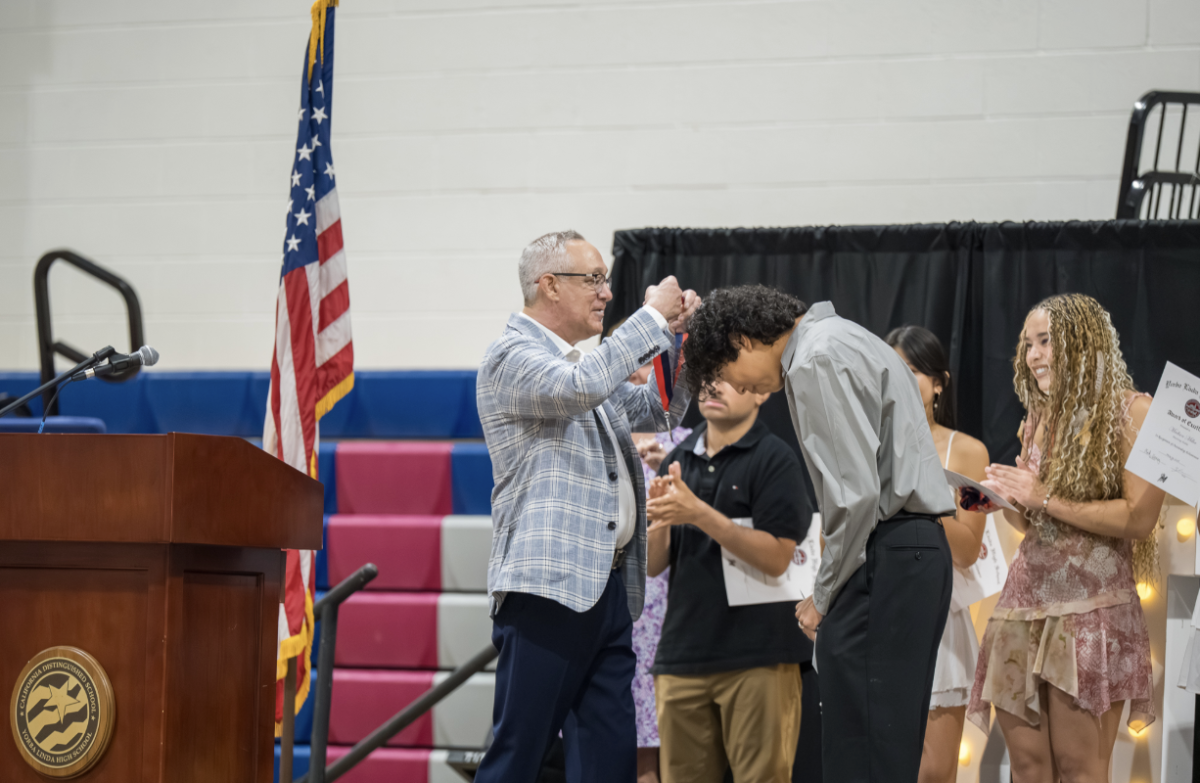
Psychologists explain that the brain is much more focused on immediate rewards than future ones. Social media, video games, and junk food provide instant satisfaction, while finishing an essay or studying for a test offers a reward that feels far away. YLHS psychology teacher Mr. Walls (S) explains that the brain is still operating in “survival mode,” even though modern life looks very different. “Our brains evolved to keep us alive thousands of years ago,” he adds. “Back then, things like food and stimulation were hard to come by, so the brain learned to chase anything that gave quick rewards.”
Today, this same system works against students. Platforms like TikTok and Instagram are designed to deliver constant stimulation, releasing something called dopamine, which is a hormone produced in the brain, every time something entertaining appears on the screen. Over time, the brain becomes used to this level of stimulation, making schoolwork feel even more boring in comparison. “It’s like eating a bag of chips and then trying to enjoy a salad,” Mr. Walls explained. “You might need the salad, but your brain isn’t interested anymore.”
Another reason students struggle with motivation is anxiety. Many people procrastinate not because they don’t care, but because they care too much. The fear of failing or not doing something perfectly can make starting feel overwhelming. Anika Barley (10) notes, “I feel like when expectations feel too high, my brain avoids the task entirely to escape that stress.” This is why assignments often get pushed off until the last minute.
One way psychologists suggest working with the brain instead of against it is by breaking large tasks into smaller steps. Completing even a small part of an assignment can trigger a dopamine response, giving the brain a sense of accomplishment. Visual reminders can also boost motivation. Checking items off a to-do list, using a planner, or tracking progress digitally helps the brain see that progress is being made. These visual cues reinforce the idea that effort leads to results. Another YLHS student, Andre Herrada (11) shared, “Once I started actually writing things down and checking them off, I realized I was doing more than I thought.”
Time management strategies also play a role in motivation. Techniques like the Pomodoro method, which involves working for about 25 minutes and then taking a short break, help students focus without feeling overwhelmed. Instead of thinking about hours of homework, students only need to focus for one short session at a time, which reduces stress and makes starting easier.
Understanding personal motivation is just as important. Some students are motivated by rewards, such as watching a show after finishing homework, while others work better with accountability, like studying with friends. Overall, motivation isn’t about willpower alone, but about creating conditions that make it easier for the brain to focus and follow through. By breaking big tasks into smaller steps, reducing pressure, and limiting distractions, students can make schoolwork feel less overwhelming. Understanding the psychology behind motivation helps explain why getting started is so difficult and why small changes can make a big difference.

Sophia Lee • Apr 23, 2026 at 7:28 AM
I often find myself doomscrolling on social media when I should be starting my homework. I will definitely be trying the Pomodoro method to help me stay motivated.