

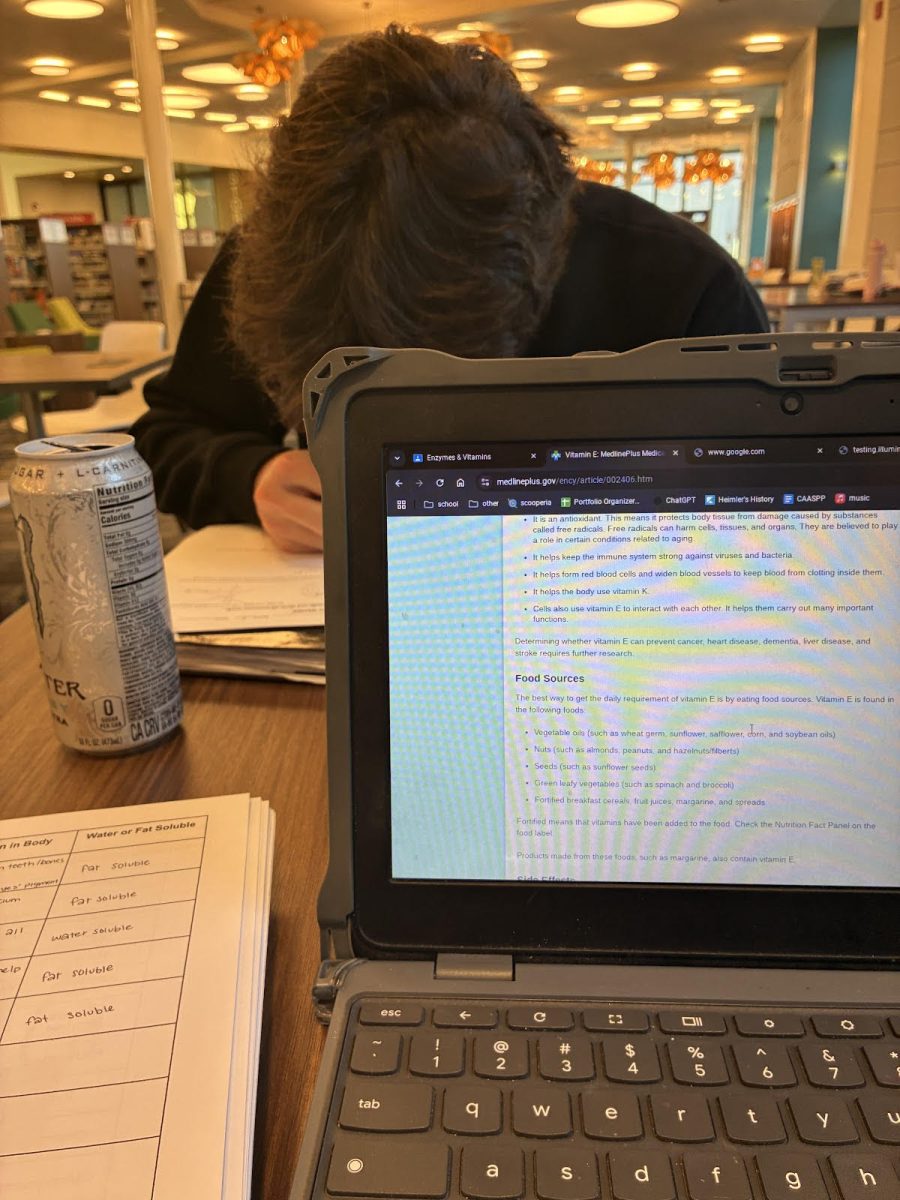





















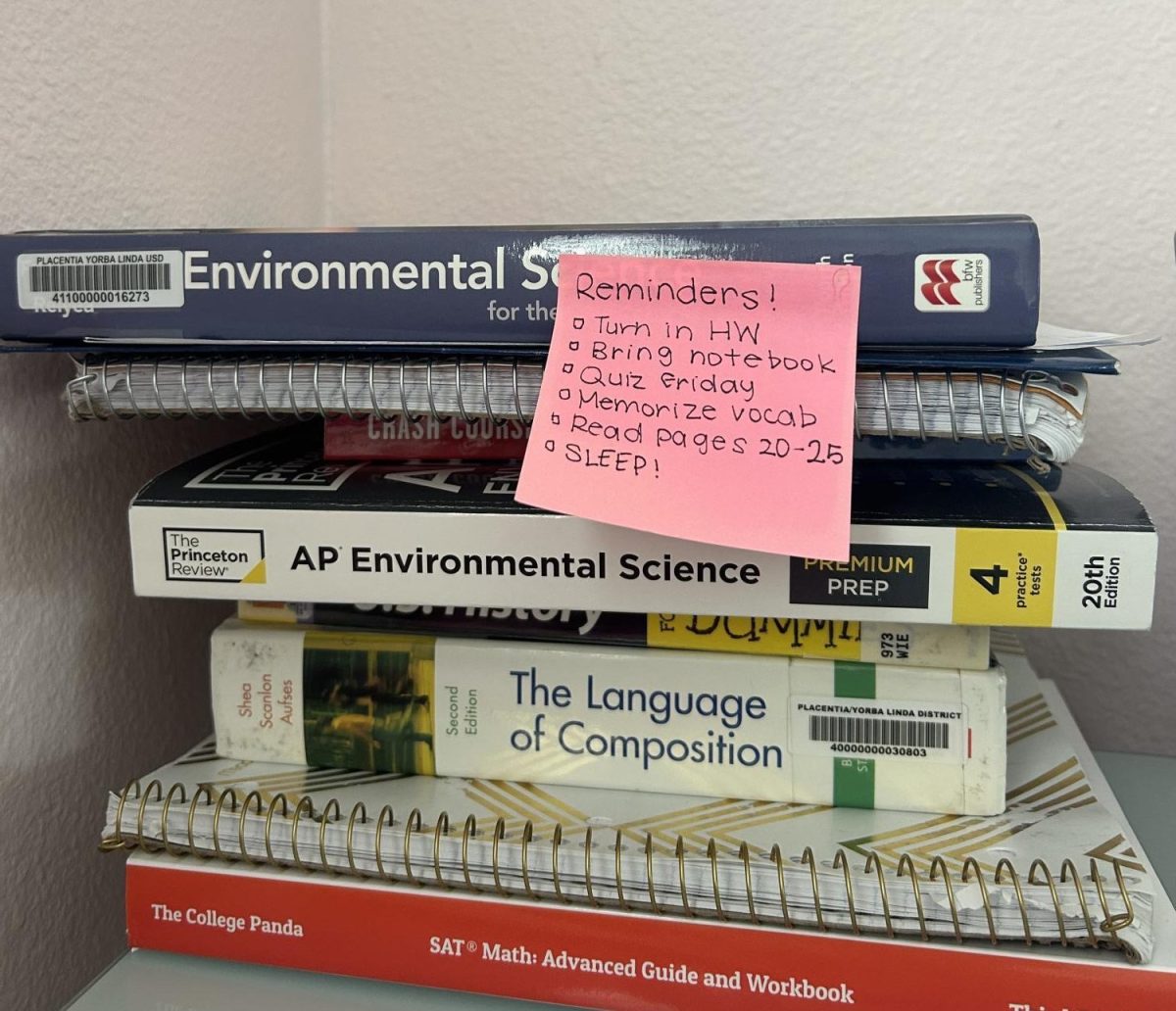
Almost every student has experienced forgetting an important assignment while still being able to remember song lyrics, TikTok trends, or random facts from years ago. This frustrating contradiction isn’t accidental. According to psychology, memory is selective, and the brain doesn’t store information equally, so understanding how memory works can help students improve their study habits and remember what actually matters.
Psychologists divide memory into short-term and long-term systems. Short-term memory holds information for a brief period, like a mental sticky note, while long-term memory stores information more permanently. Yorba Linda High School psychology teacher Mr. Walls (S) explained that most people can only hold about five to nine pieces of information in short-term memory at a time. “If information isn’t rehearsed or emotionally meaningful, it usually doesn’t make it into long-term memory,” he adds.
This is why entertaining or emotional content sticks so easily. Funny videos, dramatic stories, or surprising facts activate emotional responses, which strengthen memory storage. On the other hand, homework instructions often feel boring or unimportant, so the brain filters them out. Kayden Romero (11) commented, “I can remember every detail from my favorite show, but I forget what we learned in class the next day.”
Distraction also plays a major role in memory. Trying to study while scrolling on a phone or switching between tasks prevents information from being fully processed. Memory relies heavily on attention, and divided attention weakens encoding. Mr. Walls explained that deeper thinking leads to stronger memory. “If you only recognize a term, that’s shallow processing,” he said. “You remember things better when you understand their meaning and connections.”
Sleep is another key factor in memory. During sleep, the brain consolidates information, strengthening neural connections. Staying up late cramming may feel productive, but it often does more harm than good. “I remember we learned in AP Psychology that you don’t build memory when you study,” Milanee Abucay (11) explained. “You build memory when you rest afterward.” This means that students who don’t get enough sleep struggle with both storing and recalling information.
Stress also interferes with memory. When the brain perceives a threat, it activates a fight-or-flight response that prioritizes survival over learning. It is known that when students are anxious or overwhelmed, their brains are focused on stress, not memory. High stress levels release cortisol, which can impair memory retrieval. This is why students often blank during tests even if they studied beforehand.
Fortunately, there are strategies that can help improve memory retention. Repetition spaced over time, rather than cramming, is one of the most effective techniques. Reviewing notes for a few minutes each day strengthens memory more than one long study session, and teaching material to someone else can also help. Another YLHS student, Kaitlyn Joe (11), shared, “When I explain things to my younger sibling, I realize what I actually understand.” Other helpful techniques include breaking information into smaller chunks, creating associations or visual cues, and practicing retrieval through quizzes or practice tests. Writing things down and summarizing lessons from memory can also reinforce learning.
Ultimately, forgetting homework while remembering random facts isn’t a sign of laziness or lack of intelligence. It’s a result of how the brain prioritizes information, and by understanding how memory works and using effective strategies, students can study smarter, reduce stress, and improve retention. Psychology shows that memory isn’t about trying harder, but about working with the brain the right way.

Rebekah Montalvo • Mar 17, 2026 at 11:39 AM
It is really interesting to hear the Psychology behind why we remember random facts over important reminders.
Simran Vaswani • Feb 26, 2026 at 7:38 AM
This is so interesting, Claire! I feel like I need to start prioritizing my homework and now I understand a lot more about psychology. Thanks!