

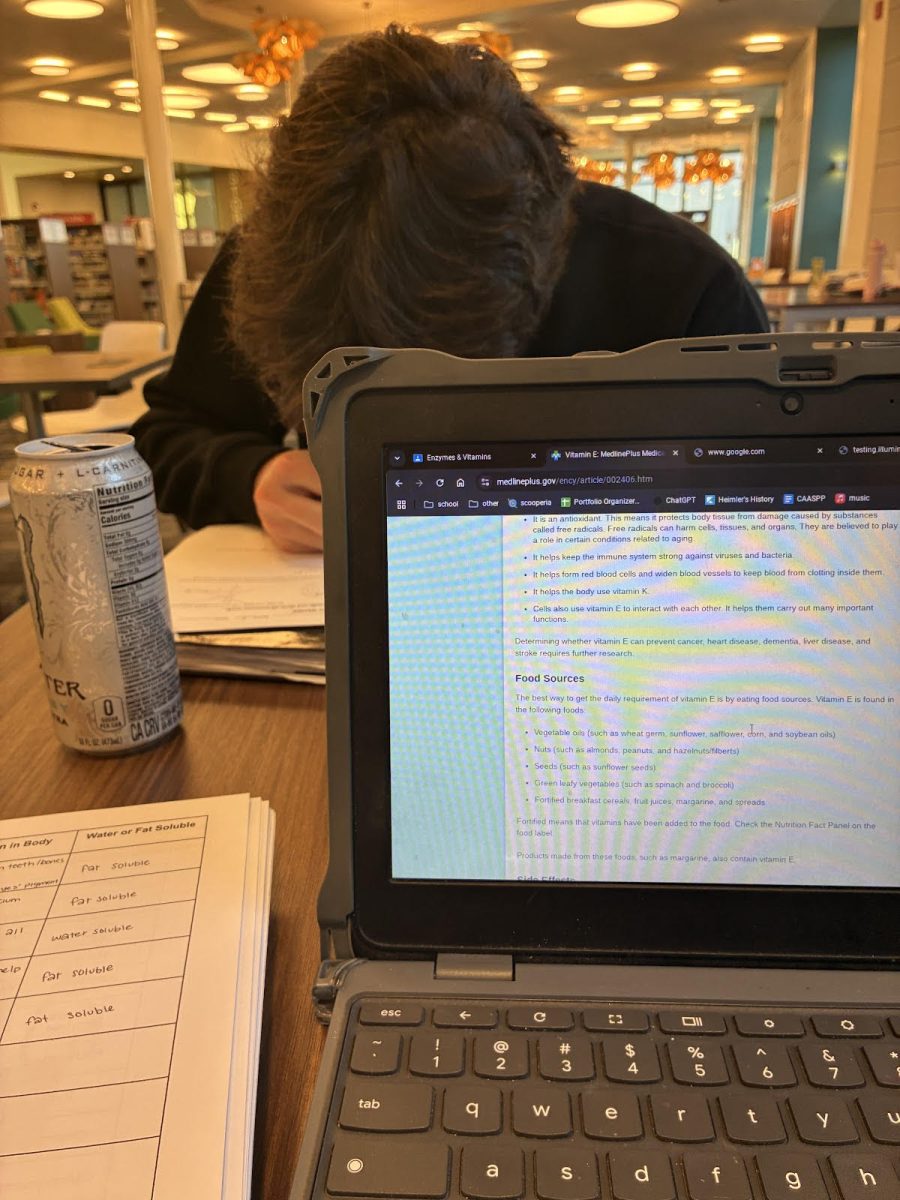






















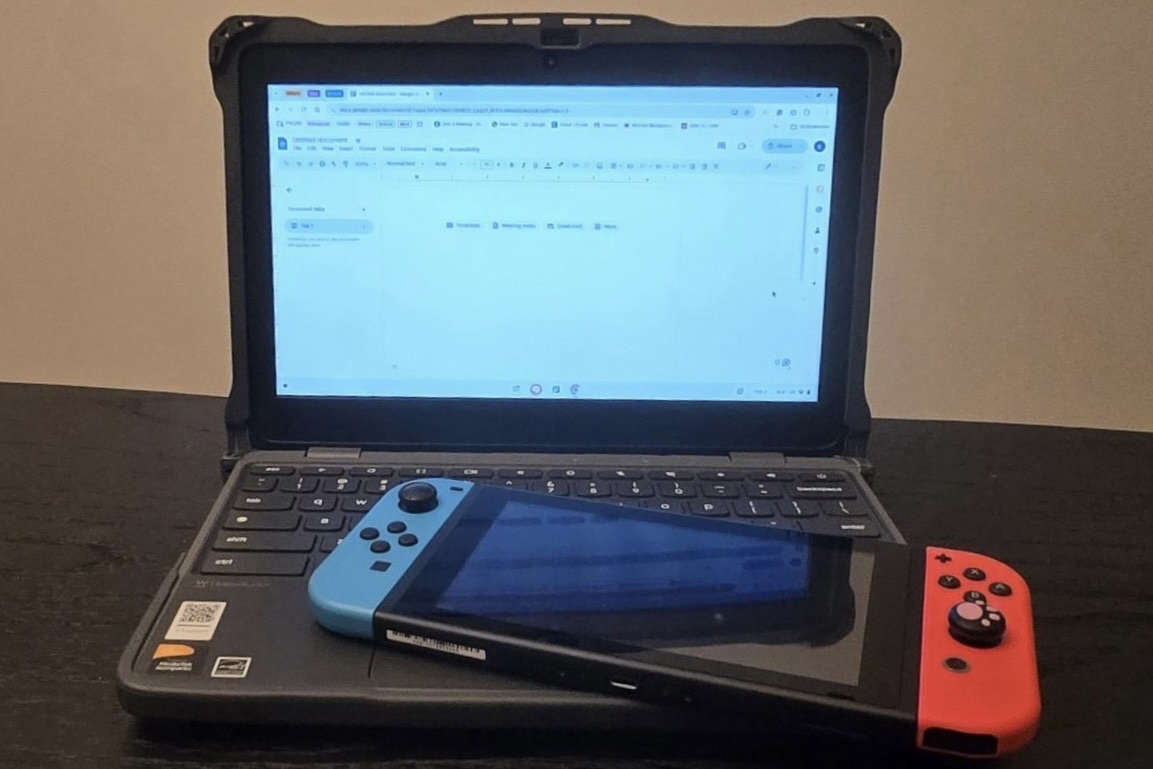
The deadline of an essay is approaching fast, yet your Google Doc is still a blank page. Maybe you start scrolling on your phone or get the urge to start cleaning your email: anything but write your essay. Your parents walk in and accuse you of being lazy; however, procrastination is not laziness. It is an emotion regulation problem.
Laziness is defined as the lack of desire to do anything and not feeling guilty about it. With procrastination, you want to do the work, but you delay it due to fear, anxiety, or self-doubt. Oftentimes, you feel guilty of putting off work, yet you still procrastinate as a short-term coping mechanism to avoid the fear, anxiety, or self-doubt.
When we encounter a task that makes us feel anxious or insecure, our brain goes into fight-or-flight mode. The part of the brain that detects threats, known as the amygdala, encourages us to “flee” by going on our phones or doing the laundry, or engaging in any task to avoid the threat of anxiety or insecurity.
Many people procrastinate not because they care too little but because they care too much. These perfectionists believe that if they do not start, they will not fail. They often procrastinate in tasks they feel will lower their self-worth. By procrastinating, people think they can delay having to face themselves as “less perfect.”
Productive procrastination is when you do other “useful” tasks to ignore working on the assignment that matters. Some people may decide to do chores, organize their emails, or clean their rooms, derailing them from the most important task. Compared to laziness, where individuals do nothing, with productive procrastination, you are doing something, just not the task you should be doing. Zora Yao (9) shared, “When I am avoiding an assignment, I focus and do everything except for the assignment that matters. Procrastinating makes me feel guilty and also really exhausted.” Zora shows that while procrastinating gives a sense of relief in that moment, it becomes a burden in the long-run.
Procrastination does not automatically equate to depression; however, they are deeply connected to each other and oftentimes create a never-ending loop. When individuals have depression, they often feel exhausted, leading to low mental energy. They lose interest and lack motivation. This results in ignoring and avoiding tasks, since each assignment may feel like climbing a gigantic mountain. When they procrastinate, they feel guilty and criticize themselves. With each task they delay, they feel more overwhelmed as the tasks pile up, causing higher anxiety and lower self-worth. This never-ending loop results in more unfinished tasks and worse mental health.
Although some tasks and assignments may seem daunting, and you would rather procrastinate, there are techniques to make them feel less stressful. One option is the Pomodoro technique. This technique is to set a 25-minute timer, and during that 25 minutes, focus all your attention on the task you are aiming to complete. After the timer is up, take a short five to ten-minute break. Once the break is over, repeat the process. This technique helps by giving yourself a break after working for a certain amount of time. The break allows you to rest for a few minutes instead of being constantly overwhelmed.
Another strategy is to break tasks into smaller, manageable chunks. Instead of having the goal of completing the whole assignment, break it down into smaller goals. Consequently, you would feel a sense of accomplishment each time you reach the checkpoint. Finally, practicing self-compassion and forgiving oneself is important when trying to stop procrastinating. Forgive yourself when you procrastinate, and do not ask for perfection. It is important to remind yourself that it is okay not to be perfect. Interestingly, not all delays are procrastination. There is a difference between avoidance and giving yourself time for inspiration. Suraiya Sheth (9) argues, “Waiting for the right moment to work is a good strategy. Sometimes you need to think about it overnight in order to come up with an original idea.” She believes that this is not necessarily procrastination but a way to allow your brain time to generate great ideas.
Procrastination is not an issue with time management, but an emotional battle within oneself. Instead of labeling yourself as “lazy,” start by acknowledging the anxiety and accepting your own imperfection. Then, choose a strategy to take a step forward in breaking the negative cycle. The first step is always the hardest; however, taking that first step is the gateway to achieving your goals.

Journey • Feb 26, 2026 at 7:41 AM
Amazing thoughts about procrastination! Excellent article!