















Love Through a Prism is a newly released animated series on Netflix that incorporates art, both literally and metaphorically, to explore love, war, identity, and human connection. At its core, the story follows young artists navigating their passions, relationships, and sense of self in a world increasingly shaped by conflict. While romance plays a central role, the series is ultimately about how people grow, inspire one another, and find meaning through creativity, even when that creativity is threatened.
From the very beginning, the show establishes that it cannot be characterized as simply a love story; instead, it is a layered narrative about how external forces, especially war, reshape inner worlds.
One of the series’ strongest thematic elements is its portrayal of war’s impact on art and artists, particularly through Kit Church. Rather than focusing solely on physical destruction, Love Through a Prism emphasizes emotional and creative loss. Kit, once driven by youthful idealism and artistic freedom, is forced to step into his aristocratic duties, prioritizing responsibility and survival over passion. This transition marks the loss of creative spontaneity, as art becomes something he can no longer afford to pursue freely. His experience reflects a broader pattern within the series: war demands maturity.
This theme is reinforced through one of the show’s most creative choices: the gradual dulling of color leading into the two black-and-white episodes. The shift is noticeable even before the full absence of color as earlier episodes grow increasingly muted, subtly foreshadowing the emotional collapse and imminent loss. When the color disappears entirely, it is entirely impossible to ignore, visually representing emotional numbness, grief, and the loss of inspiration. This visual language reflects Lili’s internal state as well: her fading vibrancy mirroring her growing disillusionment and emotional restraint. When the color eventually returns, it feels earned, symbolizing the slow rediscovery of purpose.
Art itself is treated with exceptional care and detail throughout the series. Different art forms – painting, sketching, design, sculpture, and performance -are thoughtfully represented, each reflecting the personality and emotional state of the characters who practice them. The nuanced representation honors the creative process and makes the characters’ struggles feel authentic.
The setting further enhances the story’s emotional depth. England is portrayed with a quiet, understated beauty, from the streets to academic spaces that feel lived-in and real. Notably, the art school is based at the University of Glasgow, grounding the series in real-world inspiration. The attention to place adds realism and texture, making the world feel aesthetic and tangible.
While romance is a central theme, the show doesn’t limit itself to love between two people. The development of friendship is equally important, emphasizing how emotional bonds form within communities. The romance itself is slow-burning and understated yet deeply impactful. Rather than delivering dramatic declarations, the characters influence and inspire one another through shared growth, mutual understanding, and quiet support.
One of the biggest factors in a good show is character development, as Ethan Lu (11) describes, “Gradual character development enhances a series by allowing relationships to evolve organically over time, resulting in greater emotional depth.” In particular, Catherine Astor’s character arc stands out as one of the most compelling aspects of the series. Her journey towards self-discovery, learning who she is beyond her relationships and others’ expectations, feels earned and deeply human. Through loss, reflection, and connection, she comes to understand what she truly loves and works hard to follow her true passion towards fashion.
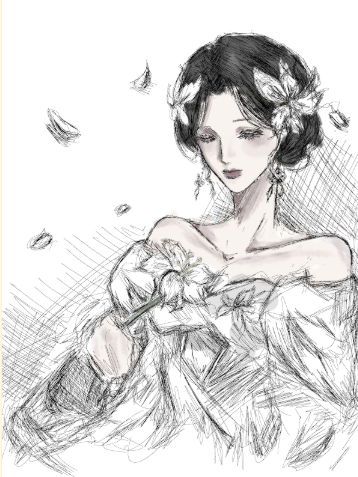
Ultimately, Love Through a Prism does more than tell a beautiful story: it extends beyond the screen and into the lives of its audience. Across online spaces, countless viewers have shared how the series inspired them to pick up a pencil again or experiment with new artistic mediums they had never experimented with before. For many, including me, the series helped me overcome a commons truggle amongst artists – artblock. Leah Do (11) describes art block as “not just a lack of skill or ideas, but a mental barrier where motivation disappears, and other pressures make drawing feel less enjoyable.” Seeing the care and effort poured into the anime’s artwork made creativity feel exciting again, reminding viewers that art can begin with appreciation before creation.

