

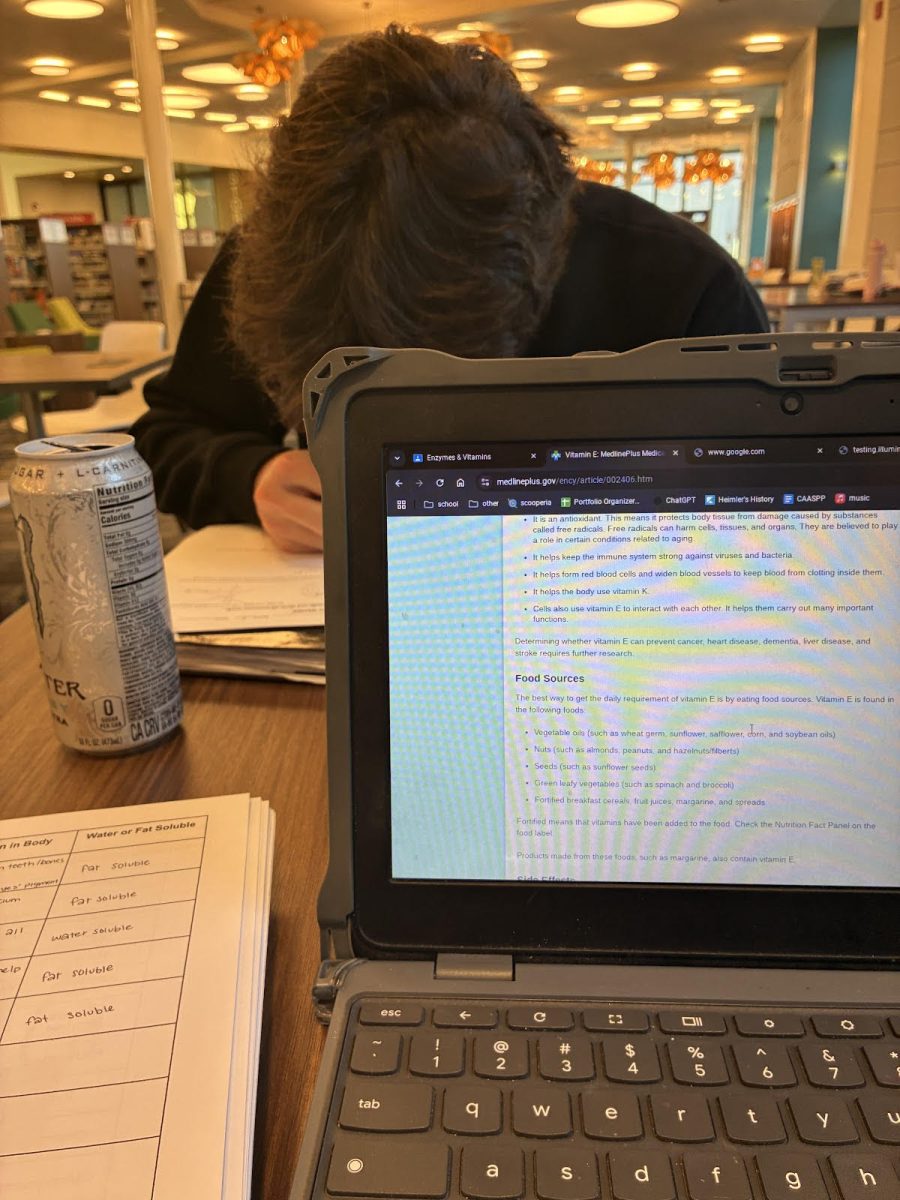























In today’s world, it is easy for thoughts and emotions to pile up from stress from school, friendships, family, expectations, and social media. To understand what you’re feeling, journaling has so many psychological benefits and can make it easier to understand what you are feeling. Although it is just writing down your thoughts, it can be one of the most powerful tools for emotional clarity and mental health. This helps people process emotions, reduce stress, and better understand themselves.
In a space like a journal, people don’t have to struggle to say what they truly feel out loud. They can get all their feelings out without feeling judged or misunderstood by others. This emotional freedom allows people to be honest with themselves and have no expectations to live up to while talking about different types of feelings. Suppressing emotions can increase stress and anxiety, so writing them down helps release that emotional pressure.
Braylene Easley (12) says that “by writing things down in a notebook, it can help organize my chaotic thoughts.” When feeling overwhelmed or burdened by your emotions, writing forces the brain to slow down and structure those thoughts into legible sentences. It can also create a lot of clarity to figure out where stress or fear is coming from and be one of the first steps to deal with those feelings. Once emotions are identified and named, they can be easier to understand and manage.
Journaling also strengthens self-awareness and can help make note of emotional patterns in a person. Someone may notice that they wrote down, feeling anxious around certain situations or interactions with other people. This type of awareness is key to personal growth and understanding emotional triggers so that they can make healthier choices.
In addition, journaling helps find emotional validation because it avoids telling oneself that they are “overreacting” or that other people have it worse. Maren Hall (12) says, “I can relate to telling myself that I’m overreacting in stressful situations.” Writing these emotions down helps legitimize them and reinforces the idea that your feelings matter. This can lead to improve problem-solving and allows people to have multiple perspectives about their feelings. By breaking down the situation into details, like what happened and how it felt, the brain can think more logically of how to solve the problem rather than reacting emotionally.
The active writing down your feelings doesn’t have to require perfect grammar or long paragraphs. It could be messy, emotional, and as long as your emotions are. Some people like to journal daily, while others right only when emotions feel overbearing. Well, both approaches are effective. Releasing that source of pressure consistently can help with overall mental health.
In conclusion, journaling is very simple yet effective and has many deep, psychological benefits. It helps people sort their feelings, reduce stress and increase self-awareness. By turning thoughts into words, journaling, transforms, emotional confusion into clarity.
