








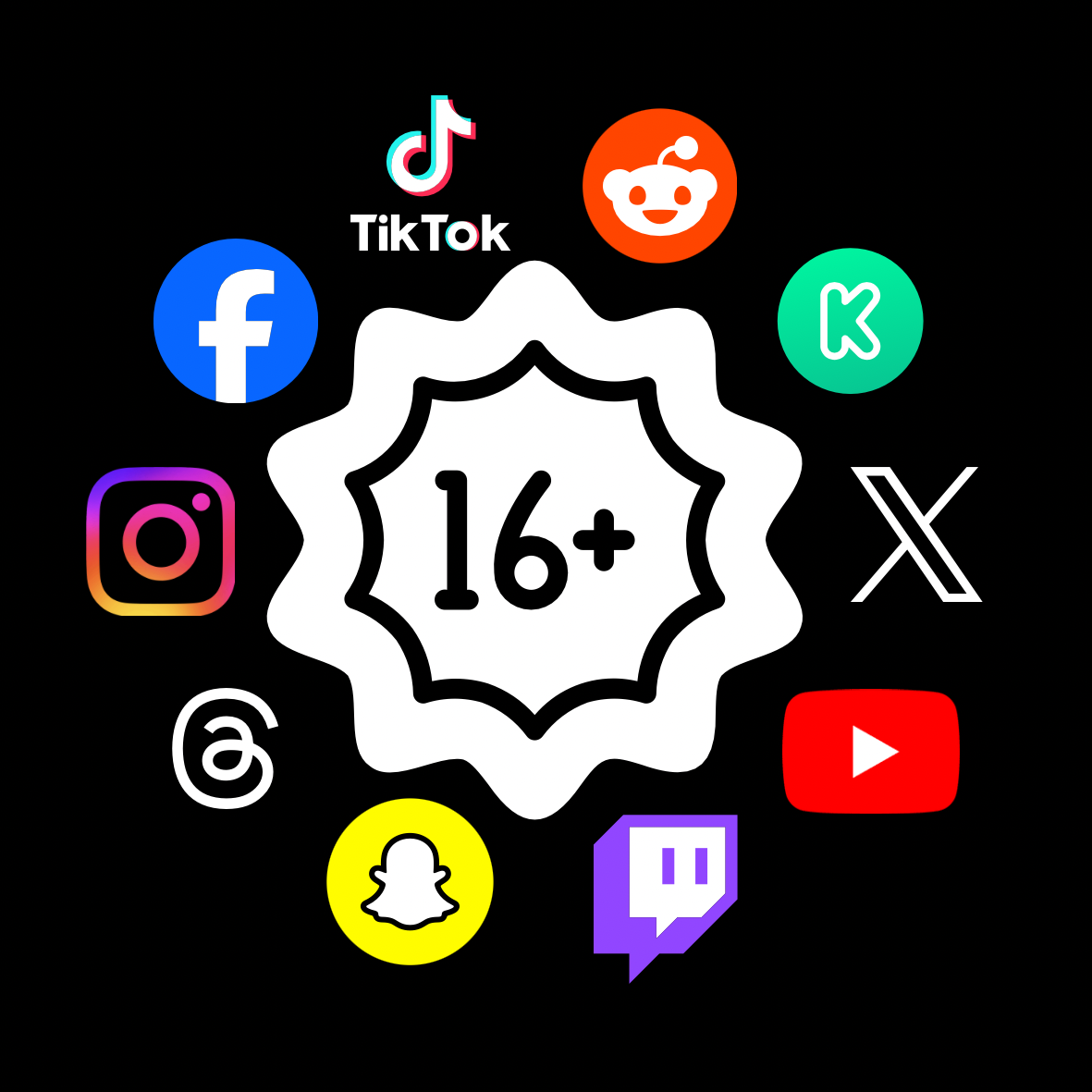
On December 10, 2025, Australia enacted a restriction on all social media for kids under the age of 16. Platforms required to adhere to the restriction include TikTok, Instagram, Snapchat, YouTube, Facebook, Kick, Reddit, Threads, X, and Twitch. Anyone 16 and over can freely access these apps; however, if companies don’t place the proper barriers for minors under that age, the Australian government would implement a fine of several million AUD.
Students affected by the ban have had many opinions about it. Some have found it to be a breath of fresh air, and they gained more time for their hobbies and interests. Others have found it a hindrance to their social life since they’re not able to contact their friends from different schools.
Among the numerous opinions, some teens have even found it offensive: “At 14, I can get a job but not watch YouTube?” There is also a common belief that simply banning social media won’t solve the core of issue, being mental health. Additionally, it’s simple enough to upload a parent’s ID card or photo for age verification.
The amount of takes on this new legislation are endless, and other countries such as Denmark are considering this law for their youth as well. A broad social media ban in the U.S. is highly unlikely; however, TikTok has run a risk of being banned in the past. As a result, Americans heavily protested, but how would American teens feel if a mandated age restriction on all social media apps were to be implemented only on them instead?
Sebastian Lapointe (10) argues a potential ban would violate a foundational aspect of the U.S. Constitution: “censorship of the press.” Barring youth from such platforms would prevent them from posting, interacting with others, and sharing their opinions. Additionally, Angeline Han (10) believes that banning the current most popular platforms won’t stop more from appearing: “even if social media was wiped, new platforms would be made and marketed as non-social-media apps and create more bans.”
Tyler Lam (10) has a different opinion: “I would be indifferent since I don’t use it, but I understand people would hate it at the start.” He’s not the only one with this take; Ashley Lee (11) adds that “I wouldn’t mind that much considering that I enjoy spending time with my friends outside of social media.” Janelle Lua (10) from Orange Lutheran High School shares this perspective as well. She thinks that she’d “probably just be shocked. I feel like the ban wouldn’t really have a big impact on me since I only have Instagram.”
Roxanne Rosch (10) takes a slightly different perspective and acknowledges that “I’d probably have a different opinion if it were actually happening to me, but in hindsight I think it’s a good idea,” she continues, “while I enjoy the app [TikTok], I wish I would’ve lived my life a little more. Rather than scrolling all day, I could’ve been out in the world.”
While an age restriction on social platforms may have a better long-lasting effect, Janelle Lua points out that “since at my school a lot of people don’t have each other’s phone numbers and talk through different social media apps, it would make their social lives very different.” With those who are 16 being past middle school years and in the midst of their high school years, Roxanne Rosch argues, “I think the limit should be 13/14. Social media was an essential part of middle school – for me, at least.”
Currently, an age-restriction on social media in the United States is highly unlikely. However, other countries are steadily following suit; France, Spain, Italy, Greece, Germany, and Denmark are considering implementing similar legislation.
How many countries will end up participating in this ban? And will the U.S. ever follow this trend, or does its Constitutional principle of ‘freedom of speech’ forbid it from doing so? If the time were to come, would the implementation of this restriction elsewhere change their opinion, or would they prefer to access social media, nevertheless? Since the social climate is always evolving, it’s impossible to predict how American society might react.
