

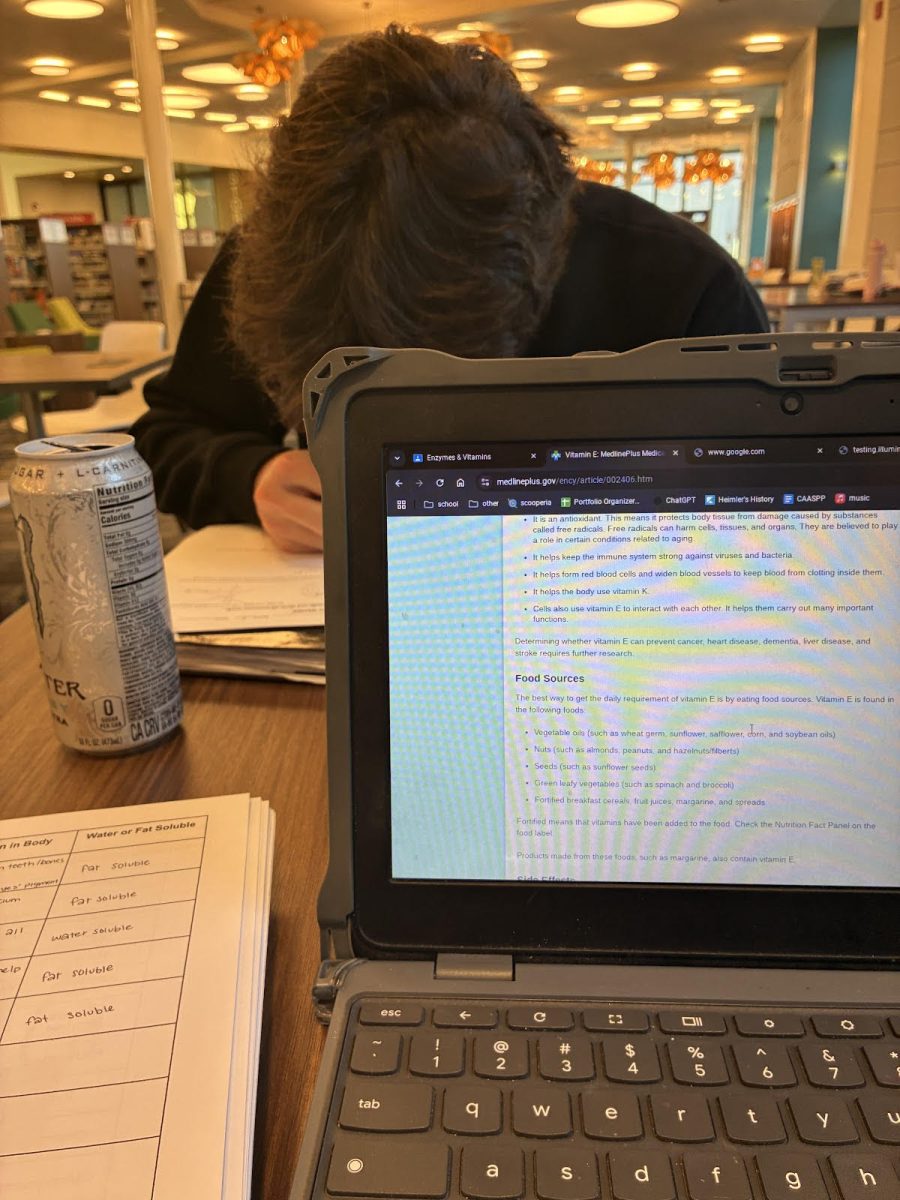























Procrastination is often mistaken for laziness or poor time management, but psychology reveals that it is neither. At its core, procrastination is an emotional regulation problem. People delay tasks not because they cannot do them, but because doing them triggers discomfort. stress, boredom, fear of failure, or even fear of success. Understanding this mental process reveals why one of the most effective ways to overcome procrastination is surprisingly simple: starting with the smallest possible effort.
The Psychology Behind Procrastination
The human brain is constantly balancing two systems. One system prioritizes long-term goals, planning, and logic, while the other focuses on immediate pleasure and relief from discomfort. When faced with a task that feels overwhelming or unpleasant, the brain’s emotional system often takes control. It seeks to avoid negative feelings by delaying the task and replacing it with something that provides instant gratification, such as scrolling on social media.
This avoidance temporarily reduces stress, which reinforces procrastination as a coping mechanism. Unfortunately, this relief is short-lived. As deadlines approach, anxiety increases, guilt builds, and productivity becomes fueled by panic rather than intention. Over time, procrastination becomes a habit, not because the task is impossible, but because avoidance feels emotionally safer in the moment.
A common misconception is that people need to feel motivated before they start working. In reality, psychology suggests the opposite: motivation is often a result of action, not a prerequisite for it. Waiting to feel “ready” allows procrastination to persist because the emotional discomfort remains unresolved. When a person starts a task, even in a very small way, the brain receives evidence that the task is manageable. This reduces anxiety and increases a sense of control. Dopamine, a neurotransmitter associated with motivation and reward, is released not just when tasks are completed, but when progress is made. That small burst of reward makes it easier to continue.
The Power of Starting Small
Starting small works because it bypasses the brain’s fear response. Instead of asking, “Can I finish this entire project?” the brain is asked a much easier question: “Can I open the document?” or “Can I work for two minutes?” These actions feel non-threatening, which lowers resistance and makes starting possible.
This approach also takes advantage of momentum psychology. Once a task is started, the brain prefers to continue rather than stop, a principle known as behavioral momentum. Writing one sentence often leads to a paragraph. Studying for five minutes often turns into twenty. The hardest part is not doing the work; instead,it is crossing the mental barrier to begin.
Additionally, small starts reduce the risk of perfectionism, another major driver of procrastination. When people believe they must perform perfectly from the beginning, they delay starting altogether. Framing the goal as “just start” removes the pressure to do the task well and replaces it with permission to do it imperfectly.
How Small Efforts Rewire Procrastination Habits
Repeated small starts gradually retrain the brain. Instead of associating tasks with fear and avoidance, the brain begins to associate them with progress and relief. Tasks feel less intimidating, confidence increases, and productivity becomes more consistent rather than deadline-driven. Zoey Hsu (12) describes, “This method also builds self-trust. Each small action becomes proof that progress is possible, reinforcing the belief that tasks can be handled without panic or last-minute stress.”
Beating Procrastination One Step at a Time
Procrastination is not a character flaw; it is a psychological response to discomfort. By understanding how the brain avoids stress and seeks immediate relief, it becomes clear why traditional advice, including “just try harde,r” rarely works. Ethan Huynh (12) shares, “I believe that real change happens when tasks are made emotionally approachable.”
Starting small is effective because it aligns with how the brain actually works. It lowers emotional resistance, sparks motivation through action, and creates momentum that carries people forward. In the end, beating procrastination does not require massive discipline or sudden inspiration. All it demands is the willingness to begin with the smallest possible step.
