



















Voting, jury duty, taxes, and obeying the laws are all pillars of democracy. Whether they feel voluntary or burdensome, exercising these rights is a privilege; one that should endure beyond the present times. But who will carry that privilege into the future? The short answer is young people. Their role is much like replacing an old pen when it runs out of ink: the future continues, but the quality depends on what replaces it. However, not all ink is the same. Some fade quickly, while others last. Young people deserve the best ink to write a lasting future, and civic engagement is what gives that ink its permanence.
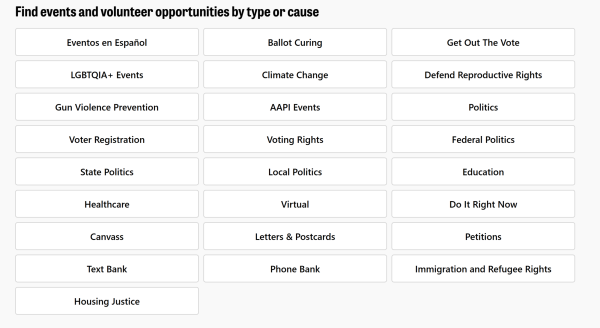
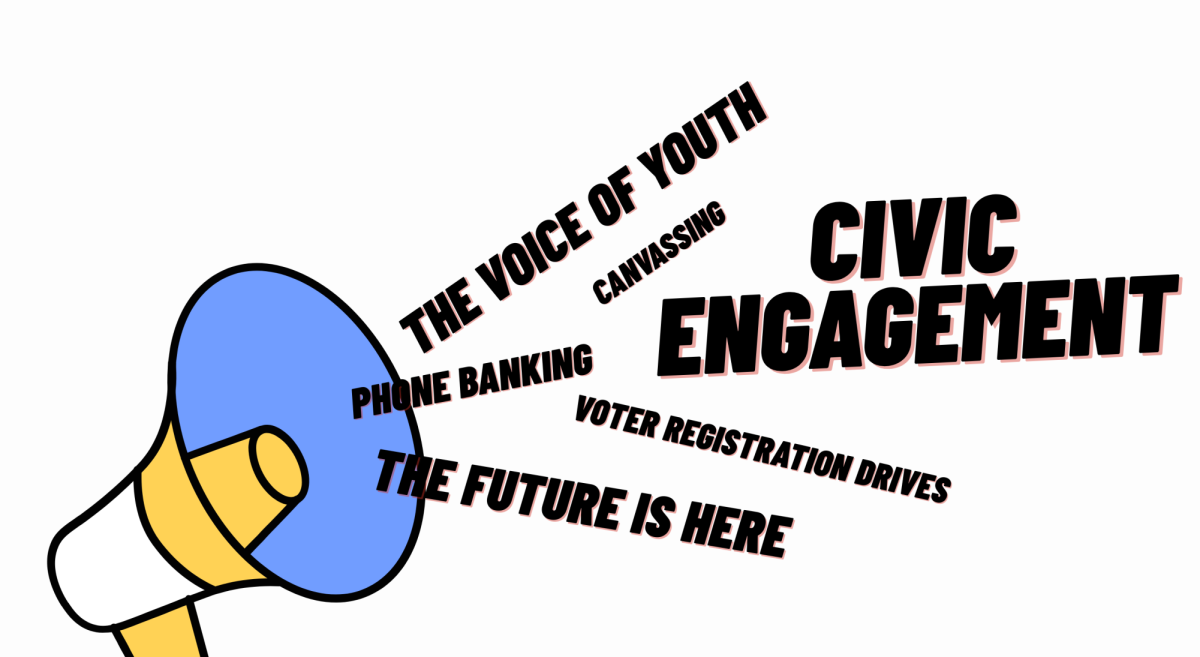
Given that approximately half of all eligible voters by 2026 are either Gen Z or millennials, civic understanding and engagement are especially pivotal factors in the upcoming elections. Consequently, with great power comes the greater responsibility of discerning right and wrong. Fortunately, becoming a better-informed youth doesn’t require a concrete path; it has many approaches.
Canvassing
Canvassing often entails going door-to-door, knocking to speak directly with the people. Topics usually revolve around humanitarian campaigns or those of political candidates, and door-knockers ask questions, conduct surveys, or simply spread awareness. If you want to go beyond surface level, deep canvassing is a great method to use. The focus is more on “meaningful and compassionate” conversations, rather than a ping-pong situation of asking and answering immediately. This is a great way to understand what people feel and how legislation, policies, and candidates affect the community. Aaron Luo (12) shares that this is impactful because “we live in one world and it is very important to look out for each other.”
Phone Banking
If not in person, many organizations and campaigns have opportunities to communicate with people through the phone. It has the same essence of canvassing, where volunteers represent and advocate for a certain political candidate or campaign. Some on the receiving end will sometimes oppose what you are representing, but that’s all part of the engagement process; you see both sides.
Voter Registration Drive
In voter registration drives, the goal is to convince people to cast their ballots. To improve youth engagement, students can run drives at both colleges and high schools, which builds an understanding of the real world. At this point, students and young people start to associate their person with the ability to make a difference. It’s a feeling that was essentially dormant before due to the legal limitations to independence for young people, especially high schoolers. However, activating that feeling makes the biggest difference.
Our Youth In Action
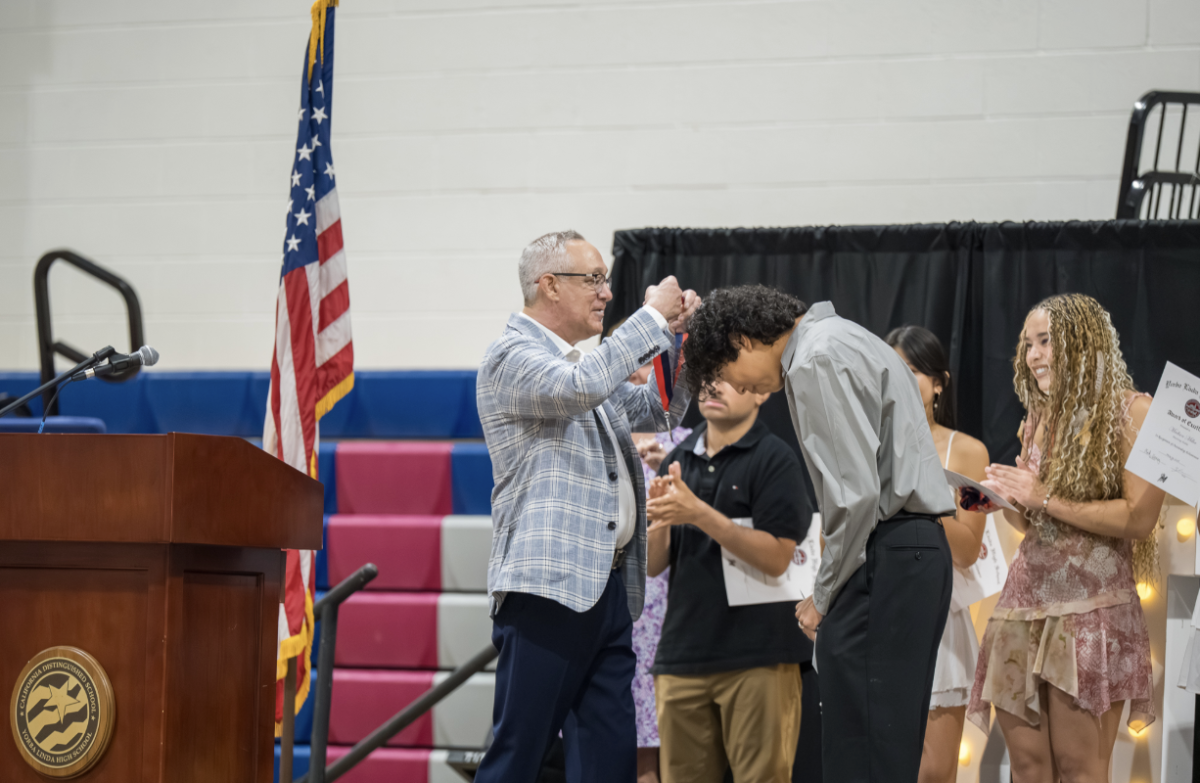
Yorba Linda High School has its very own “Civics Honors” course for juniors and seniors, which encourages youth engagement through lessons in foreign, domestic, and international policy, current event discussions, projects, and invites speakers with local political positions to speak with students. Alongside content taught at school are weekly Thursday visits to the Nixon Library. This type of exposure and importance given to the youth empowers a generation that will soon come to “power” on the political stage. Dillon Thomas (11), a student in this class, shares that it’s critical for youth to “gain a basic understanding of how our government works” because “most kids in our modern society don’t know much about it.” As a generation slowly fades, a new one takes its place, so investing in the youth now will be visible in the future.
