

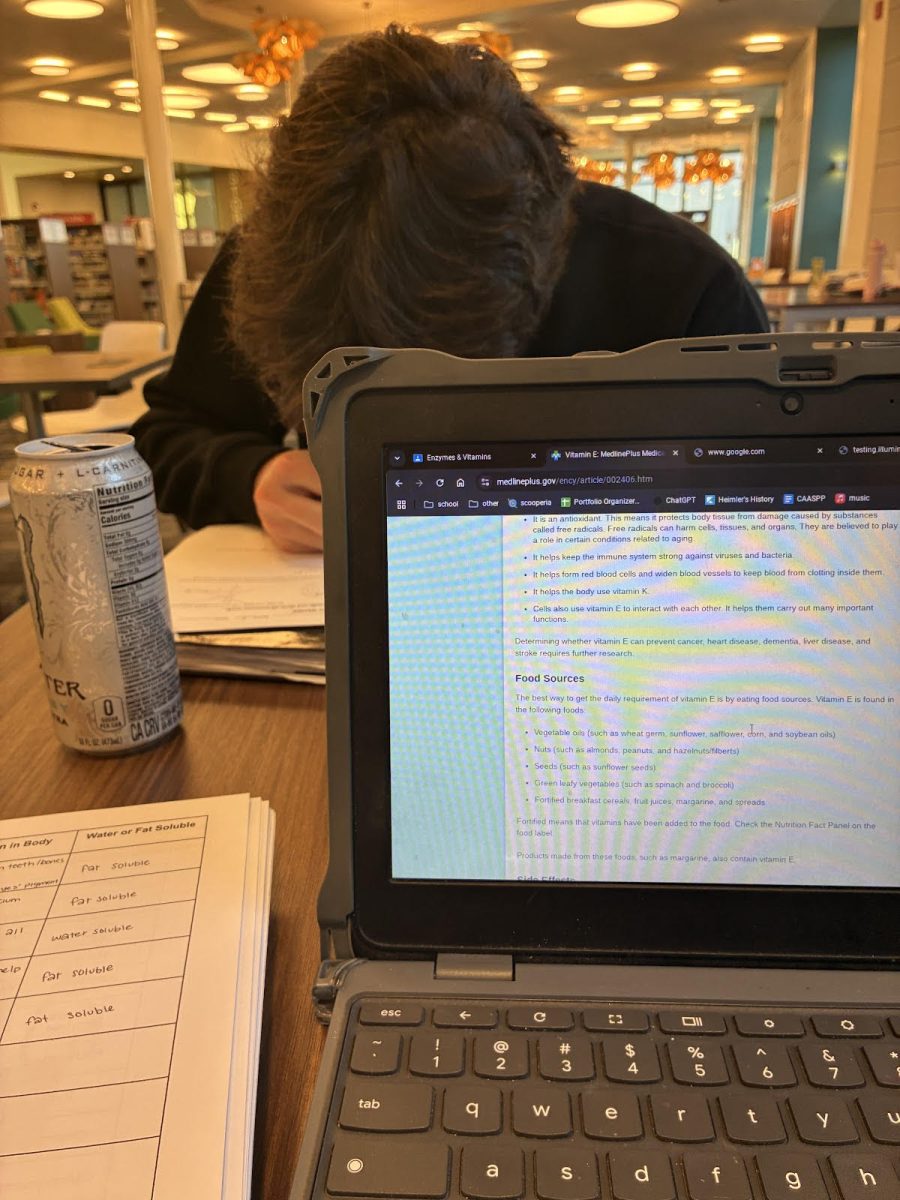




















The daily routine encompasses numerous important aspects. Breakfast in the morning, education and physical activity throughout the day, but the most important comes at the end of this daily ritual – a good night’s sleep. These events culminate in the proper physical and mental development of the body and mind; however, sleep trouble is an issue that plagues many and is highly damaging for any person, especially for students who are still developing.
In academics, the Bureau of Indian Education links sleep to the improvement of mental clarity, memory consolidation, cognitive function, and physical ability. For any student, the failure to sleep the recommended 8-10 hours can slowly but surely lead to disastrous results as sleep deprivation is linked with obesity, diabetes, and chronic health conditions. While a sufficient length of time is a large factor, as BetterHealth Channel points out, the quality of sleep can vary greatly.
Screen time before bed, temperature, naps during the day, and lingering emotions – these are all factors that can decline the quality of sleep one receives. To keep track of these complicating factors, many sleep tracking apps exist and monitor sleep duration, quality, phases, and environmental and lifestyle factors. The National Library of Medicine tested some of these apps. After questioning many users, it was found that they averaged a 3.3 out of 5. The apps were likely to raise awareness of better sleep habits, but ultimately, their validity still needs to be further researched.
Johns Hopkins Medicine also tested the claims of these sleep trackers. Similarly, they found the validity questionable as the devices used inactivity as a sign of sleep, but these devices still help track patterns about sleep preferences. For an exact analysis, a medical sleep study can be conducted to track brainwaves and stages of sleep precisely.
As students, taking medications for sleep can easily jeopardize health when not prescribed, so what other solutions are there? Harvard’s School of Medicine shares a handful of tips that can help us students. Exercise naturally boosts melatonin, a sleep hormone, but for student athletes, this is already routine, so there must be other ways. Keeping the bedroom a sort of sanctuary is surprisingly important, as it is recommended to reserve the bed for sleeping only – no homework allowed.
Harvard and Mayo Clinic both recommend following a routine; much like children are told bedtime stories, adults and teens can create a pre-sleep routine that trains their brains to release melatonin when done. Both sources also agree that even with the stress of a test or interview, destressing before sleep is necessary for the best outcome.
The ambiance is also as much of a distraction as screen time near bedtime; try sleeping in a dark, cool, and quiet environment. Acknowledging this recommendation, the music and white noise often used to fall asleep is questioned. Another study at Harvard found that white noise has varying results, but it has been proven to reduce heart rate and respiratory rate in infants and children, both of which are signs of falling asleep. Further research found that white noise actually has little effect when played too loudly. It can interrupt REM sleep, serving more harm than good.
Pink noise was also researched. Pink noise has a lower frequency and is deeper than white noise, and can enhance deep sleep and cognitive function for older adults under certain conditions. Ultimately, the researchers only recommended the sounds to play for a short period to fall asleep, but not continuously.
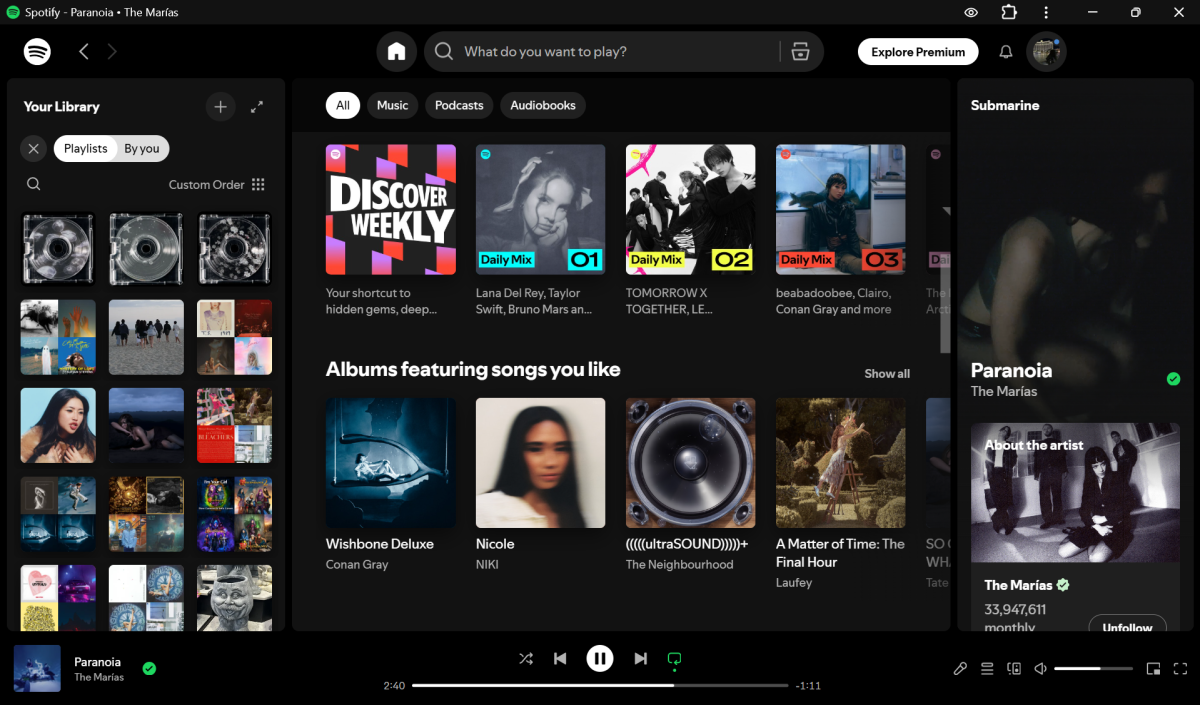
Ethan Lu (11) recounts his experience after continuously listening to white noise to fall asleep about a year ago, stating, “I used to listen to white noise. I used to listen to it a lot, actually. I feel like it stopped me from having other thoughts, but it had virtually the same result as music for me.”
When using music as a catalyst for sleep, Samantha Hernandez (11) notes that, “I fall asleep to music pretty often, but my sister’s my roommate, so sometimes I can’t. I do notice I fall asleep faster, but I’m such a heavy sleeper that I can’t tell if it disrupts my actual sleep.”
Overall, several factors affect sleep duration and quality; the most important aspect to draw from this is the importance of sleep in development. Late nights of homework are inevitable, but as students, we must still be cautious with our health and sleep.

Siya Batra • Jan 22, 2026 at 7:34 AM
This is such a helpful article! I do find myself getting less sleep due to the load of college apps I’ve been working on as a senior, and this article is a nice way to find ways to get better sleep and rest.
Derek Truong • Jan 22, 2026 at 7:34 AM
Sometimes I struggle with getting enough sleep. This was really nice to learn about, and it’s clear you did your research!
Kaitlyn Wang • Jan 22, 2026 at 7:22 AM
This is a very interesting topic! I never imagined that taking naps actually reduces the quality of sleep. I also enjoyed learning about pink noise, as I was only familiar with white noise. Great article!