
























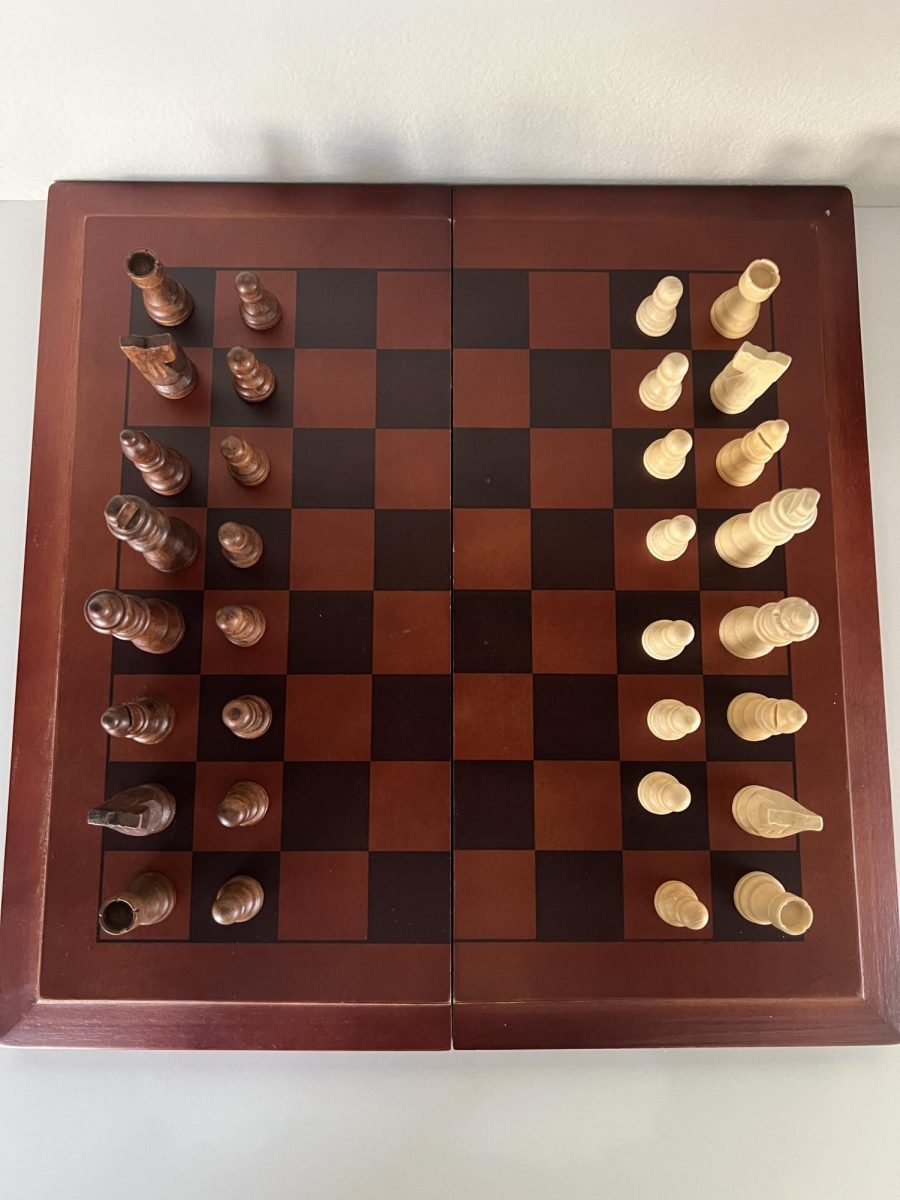
“Checkmate” is a common phrase, used to signal the end of a chess game, but its impact goes far beyond the board. Chess is not just a game of kings and queens; it is a game of strategy and patience. Over the years, chess has earned its place as one of the most beneficial games for people of all ages.
One of the greatest advantages of playing chess is the development of critical thinking and problem-solving skills. Every move requires careful analysis, planning, and foresight. Players learn to think several steps ahead, anticipate their opponent’s strategies, and make decisions under pressure. These skills are extremely useful in academics and everyday life. Chess also improves concentration and memory. Remembering previous moves, patterns, and strategies trains the brain to focus for longer periods of time. This enhanced concentration can help students perform better in studies, especially in subjects that require logic and reasoning. Another important benefit of chess is the lesson of patience and discipline. The game teaches players that impulsive decisions often lead to mistakes, such as blundering your queen.
Avery Yang (12) shares that “I started playing chess recently and it has become addicting. It is a fun way to relax instead of scrolling online.” Shreya Shah (A) explains that “Chess has also helped me in my other subjects as a college student, by helping me think more critically and logically when I approach different problem sets.”
Social media, while entertaining and informative, is increasingly affecting the human brain by reducing attention span and encouraging instant gratification. Constant scrolling and short-form content train the mind to seek quick rewards, making it harder to concentrate deeply or think critically. Chess offers a counterbalance to this mental overstimulation. Playing even 10 minutes a day encourages the brain to slow down, focus, and think strategically. This short but consistent practice can help improve concentration and decision-making skills, retraining the mind to engage deeply rather than react impulsively to content. In a world dominated by screens, a few minutes of chess daily can go a long way in keeping the brain sharp and balanced. Not to mention, winning a well-played game will give you a sense of achievement and boosts self esteem!
Chess is more than just a board game, it is a powerful tool for mental growth. Whether played competitively or casually, chess sharpens the mind and prepares individuals to deal with challenges both on and off the board.
