



















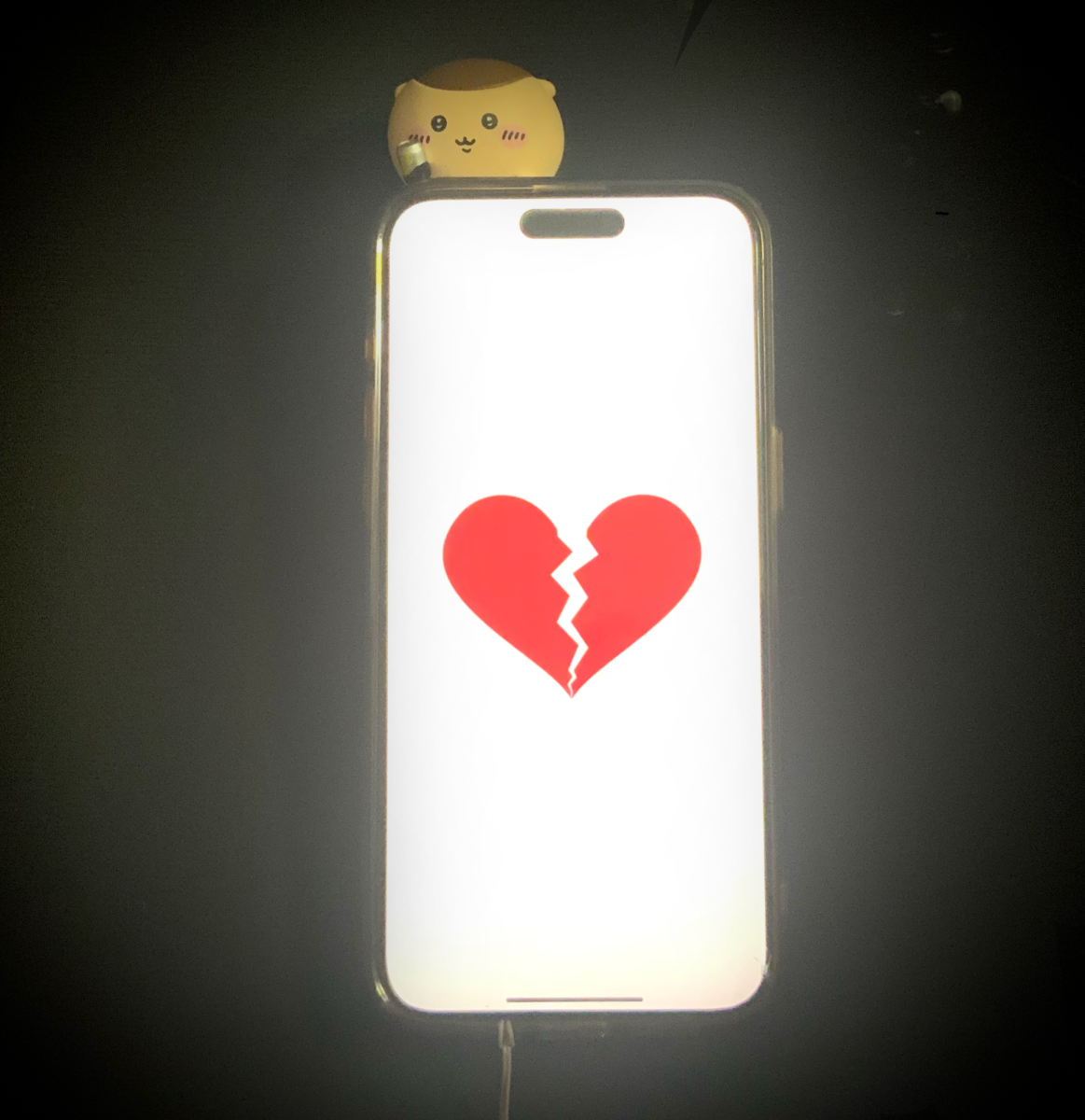
In an age where close to every interaction is filtered through a screen, social media has quietly reshaped what romance looks like. What once relied on vulnerability, intention, and genuine human connection has been replaced by ambiguity, performance, and often algorithm-driven habits. Today’s relationships feel less like two people building something real and more like two curated identities tiptoeing around actual intimacy. The rise of situationships captures this shift perfectly as couples drift into shallow relationships with all the emotional intimacy of dating but a lack of commitment.
The culture has even invented its own timeline, the three-month rule, which acts as an unofficial probation period where people decide whether someone merits real commitment. Instead of getting to know someone naturally, many treat the early stages of dating like a performance review. Social media accelerates this mentality because it gives people access to comparisons. Why invest deeply into one person when your feed offers dozens of “better” alternatives, curated to seem flawless? Xenia Lee (12) believes that “The built-in expiration date makes people hesitant to invest deeply, knowing that many modern ‘relationships’ aren’t meant to last beyond the trial period.”
Romance has also shifted from spontaneous real-life encounters to strategic moves online. Sliding into DMs has replaced the simple courage of walking up to someone and starting a conversation. While convenient, it has hollowed out the thrill of genuine, in-person connection. Face-to-face chemistry has been replaced with carefully typed messages, drafted and redrafted for effect. Emily Dai (12) explains, “Because so many connections begin online, people are losing the patience and social courage needed to spark romance naturally, leaving real-life encounters feelings rare and awkward.” People are losing the ability and confidence to initiate romance in real life because social media offers a low-stakes, low-effort substitute.
Even relationships that make it past the talking stage are shaped by online behavior. The concept of the soft launch, posting a mysterious hand, shadow, or part of a face, turns relationships into a branding image. Couples no longer enjoy privacy in the early stages because countless things are measured by their “postability.” The over-reliance on social media as a means to validate relationships has caused some to feel unloved if they are not posted. As likes and comments have replaced emotional reassurance, social media has created new expectations that interfere with authentic connections.
Altogether, these trends reflect how social media has quietly drained true romance. The world that once encouraged people to express their feelings openly and build relationships gradually has been replaced by one built on ambiguity, convenience, and performative affection.
