






















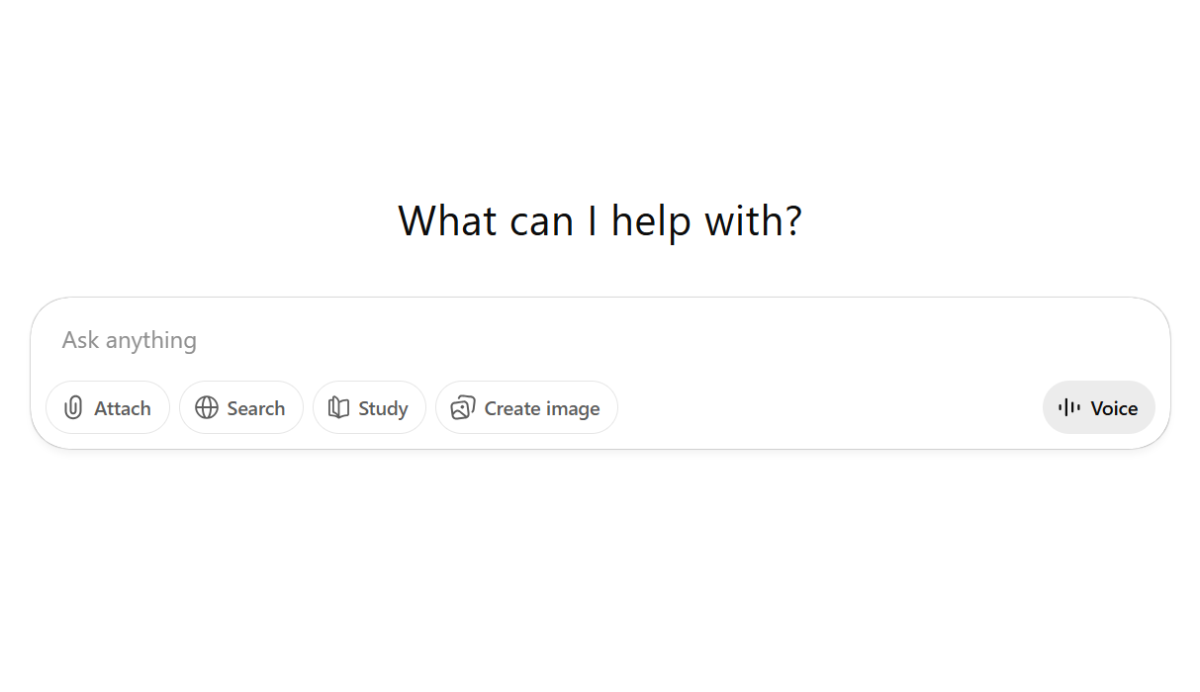
ChatGPT, where are the best places to go for lunch? Write an essay analyzing these rhetorical strategies. What are my strengths and weaknesses? What should I get my mom for her birthday?
Since its initial release, ChatGPT has attracted over 700 million users. As a groundbreaking tool undoubtedly on the verge of the future, AI has performed countless tasks in a matter of seconds. We think of ourselves as the programmers; without us providing the prompts, AI serves no purpose.
But when does it become less of a tool and more of a crutch? How does this revolutionary technology blur the lines of morality? When do the programmers become the programmed? Ethan Huynh (12) comments on this idea, saying, “I see many companies using completely AI-made advertisements with the justification of convenience and accessibility, but they should put in the work instead of letting technology do it for them.”
AI is slowly chipping away at our innate ability to think, and it may not be too far into the future when people become mere vessels of AI. However, if used in moderation, it can be a useful companion and a wealth of knowledge instead of a replacement for critical thought and introspection.
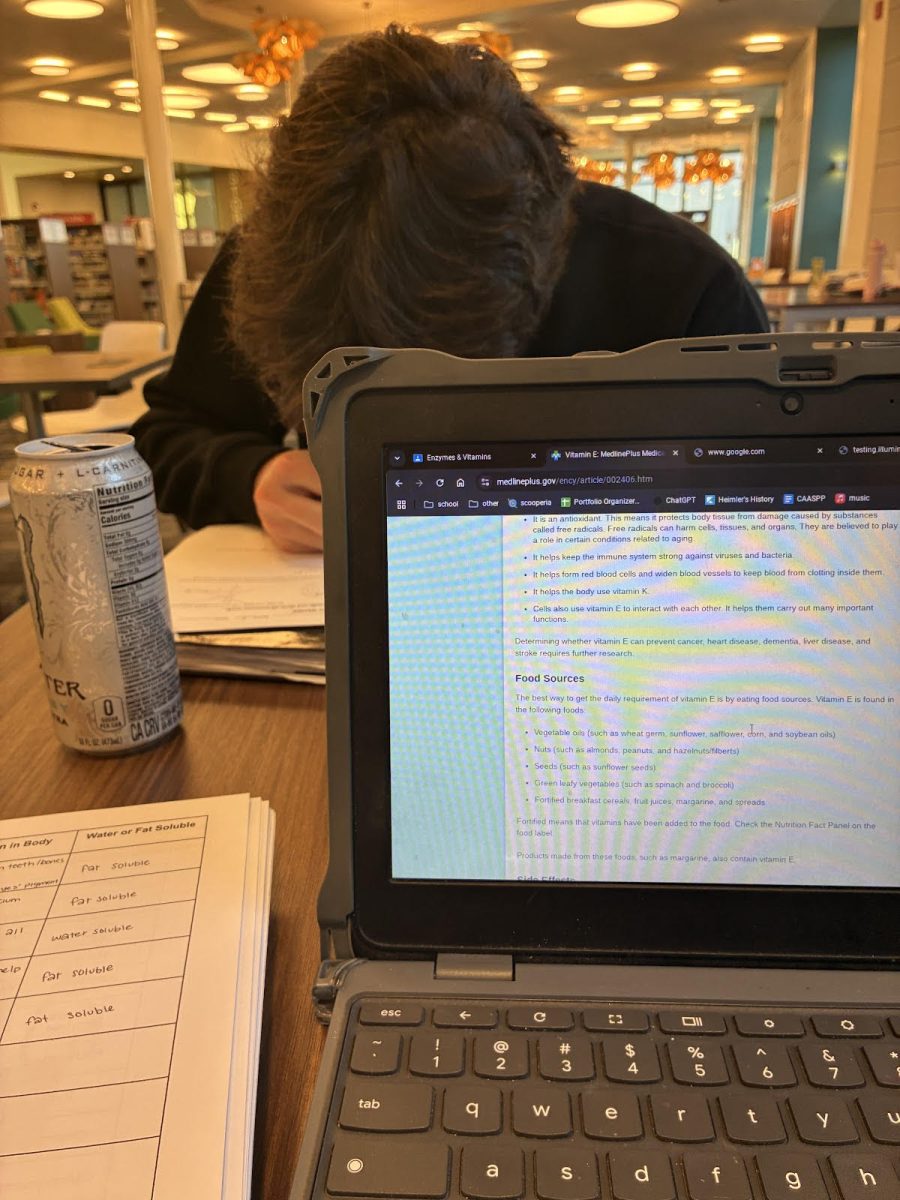
Now that AI has been embedded into everyday search engines such as Google and Microsoft Edge, it is nearly impossible to avoid using it entirely. Having such an accessible source of power at our fingertips is a siren call that takes incredible willpower to resist. As students with myriad activities, workloads, and commitments, it is easy to turn to ChatGPT for assistance.
While incredibly convenient and tempting, this practice has raised ethical concerns about the use of AI. As it becomes more prominent, so too does the crossing of moral boundaries. Academic dishonesty often runs rampant across classes now that ChatGPT is a readily available tool.
In May 2025, 69% of teens reported using GenAI to help with school assignments. As Kai Lee (12) says, “using AI to help you research or gain knowledge is reasonable but not for completing assignments.” Additionally, exploiting it to write complete essays and passing them off as one’s own work is plagiarism, an issue that can prevent the development of a unique writing voice and hinder a student’s mental growth.
There are limitations to AI’s logical thinking; while it can provide intelligent-sounding responses, they are not infallible. Students must still be able to identify the lapses in its knowledge and deliberately interact with the information given–rather than blindly copying answers down–to maintain their critical thinking skills.
Some issues can only be examined and analyzed with humanity; our imagination and creativity are what make the human race diverse in art, inventions, and connection. AI cannot replace human error and empathy.
It is no longer reasonable to implement a simple solution ending the use of AI; however, we can regulate our application of it. Instead of using it for every simple task and question, we should engage in meaningful conversation with peers or teachers and set clear boundaries for its use. This may manifest in explanations for a complicated concept or finding sources for thorough research.
Staying in stride with AI’s constant evolution and remaining vigilant about AI ethics is the key to ensuring that we are the programmers, not the programmed.
