























Every Thanksgiving weekend, shoppers face a tough decision: should they push through crowds for Black Friday deals or enjoy Cyber Monday sales from home? Both days are known for massive discounts and limited time offers but as shopping habits shift and technology advances, many people are rethinking which day actually gives the better value. While Black Friday still carries the excitement of in-person shopping, Cyber Monday offers a more efficient and stress-free alternative. For many, that reason is enough to make the switch.
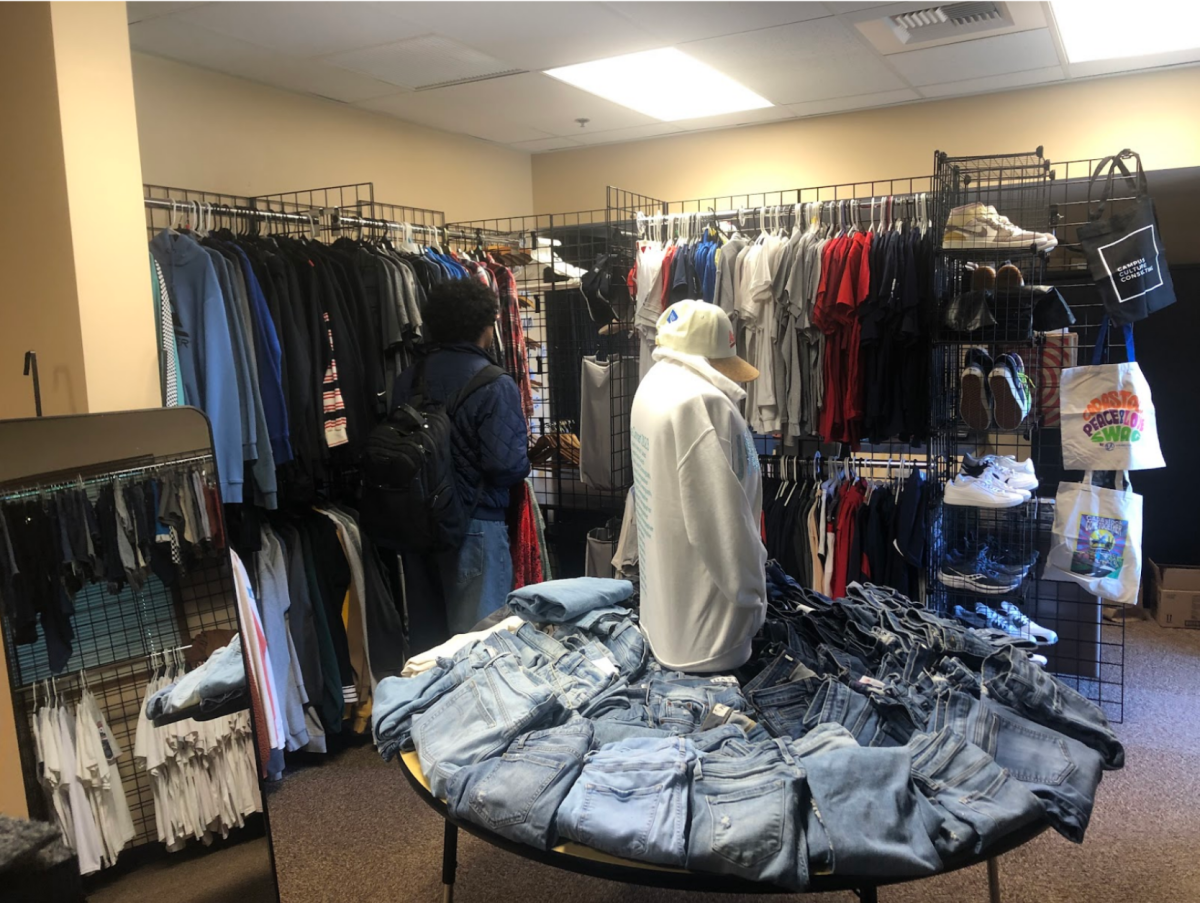
Black Friday has been around since the 1960s, famous for its early-morning lines, overflowing carts, and once-in-a-year deals. For decades, it symbolized the start of a holiday season, when friends and families would race to grab the best bargains before they sell out and obtain the perfect gift. There’s a certain satisfaction that comes with physically finding and buying an item on sale.
But in recent years, its appeal has started to fade. Those same crowds that once elicited excitement now tend to discourage shoppers. With limited stock, stressful parking lots, rising tempers, and sometimes messy confrontations over products, many people have started to ask whether the chaos is really worth it.
Some still find joy in it, though. As Demi Kim (11) explains, “Black Friday feels more personal. You can see the items yourself and feel the excitement about your purchase the moment you make it. It’s chaotic, but that’s what makes it fun.” For shoppers like Demi, the thrill of the in-person experience outweighs the hassle.
Cyber Monday, introduced in 2005, offered a solution to that problem by shifting the shopping experience online and appealing to those who missed Black Friday but still sought deals. Instead of standing in line, shoppers could browse thousands of catalogs, compare prices, and find exclusive online discounts from the comfort of their phones and laptops. Over time, this convenience changed everything, and the shift has only accelerated in recent years.
Online sales have consistently risen every year, while in-store Black Friday foot traffic has dropped. Online sources describe, “In 2025, retail e-commerce sales are estimated to exceed 4.3 trillion U.S. dollars worldwide, and this figure is expected to reach new heights in the coming years” (Statisa). Thus, major retailers like Amazon, Target, and Walmart now focus just as much, if not more, on online discounts than physical store promotions.
The growing trend toward online shopping isn’t just about convenience; it’s also about control. Yoyo Cao (11) shares, “Cyber Monday lets people compare prices across websites, read reviews, and make informed decisions without impulsively buying. I find it easier to avoid the pressure and chaos of stores while still finding impressive discounts.”
This makes it especially appealing to younger consumers, who are more comfortable navigating digital platforms. Instead of fighting through crowds, consumers can now shop on their own time. As a result, many people now skip in-person shopping altogether, turning to online options that feel smarter, faster, and safer.
Ultimately, the choice between Black Friday and Cyber Monday depends on what shoppers value most. Yet, the trend is undeniable: online shopping is transforming the way people engage with holiday sales. Whether it’s the excitement of crowds or the calm of a glowing screen, both days remind us that shopping has become more than just buying; rather, it’s a reflection of how our world and priorities continue to evolve.
