













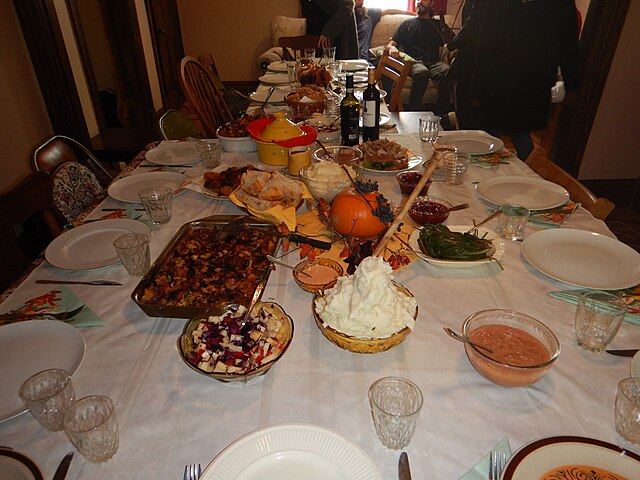
As you sit around the table, you are immediately greeted by a comforting aroma of the roasted-smelling turkey, complementing the spicy-savory smell of pozole. While you take in the hearty smell, the sound of laughter from your loved ones fills the room as you celebrate with your own unique twists.
Thanksgiving dates back to 1621, originating as a North American Harvest Festival. It signified a coming together to share gratitude for the year’s successful harvest (Britannica). In recent times, Thanksgiving has evolved into a day to reflect on the blessings and gratitude one has for his or her friends and family. The classic Thanksgiving included a large meal that generally consisted of a stuffed turkey, mashed potatoes, cranberry sauce, and pumpkin pie. It also included families setting traditions such as watching TV and enjoying festivities like watching the Macy’s Thanksgiving Day Parade.
As Thanksgiving gatherings have extended to larger groups of friends and families, the foods and festivities have dispersed as well. With a variety of cultures, the classic Thanksgiving has evolved to incorporate cultural dishes and celebrations. Students at Yorba Linda High School are a prime example of mixing Thanksgiving traditions. To start, current freshman Rachael Lee shares how her family celebrates Thanksgiving differently. Rachael’s Thanksgiving takes place at her house annually, where she plans a large gathering with her relatives. Relatives come early to help with setting up before the meal, as they believe that helping family is the best way of expressing their gratitude. In Chinese culture, gratitude is expressed through actions rather than words, also known as Filial Piety.
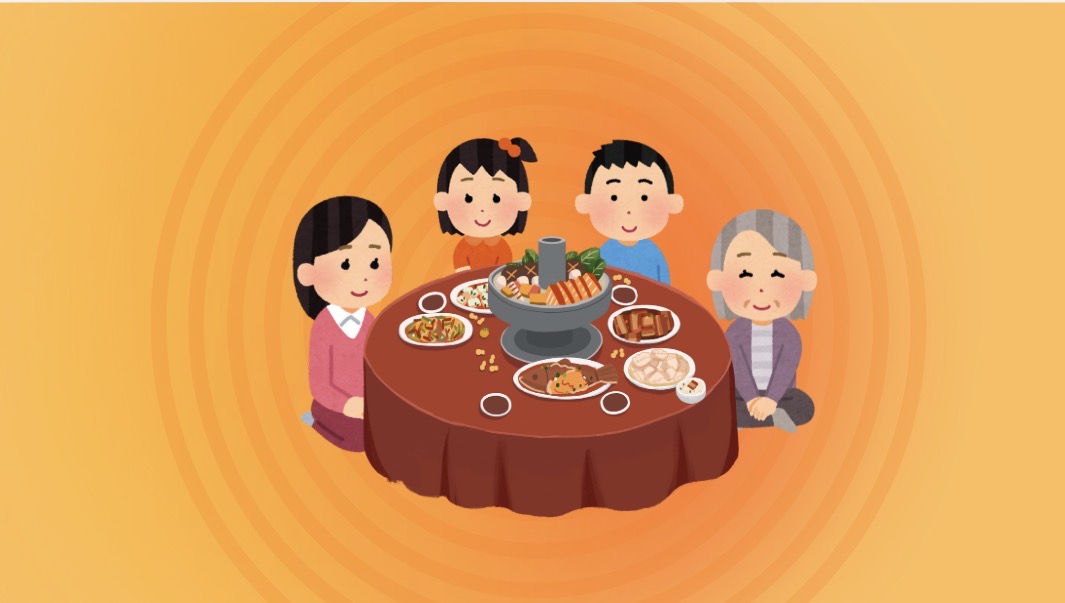
Beyond the classic Thanksgiving menu, Rachael’s family also incorporates a variety of Chinese delicacies. Rachael Lee (9) believes that “incorporating our own dishes into this holiday helps my family feel more connected as a whole to our culture and to each other.” Mixing both her Chinese and American cultures during Thanksgiving helps her bridge the gap between them. Her family can celebrate the holiday with their own unique flavor, which helps them connect with what Thanksgiving is really about: Gratitude.
Along with Rachael Lee, Catherine Case shares that in her household, she incorporates many unique aspects of her Mexican-American heritage during the holiday. In addition to participating in the traditional Thanksgiving feast, her family also enjoys a wide variety of Mexican dishes, including Pozole, Tamales, and Tacos. Having a variety of these dishes allows her family to blend the traditions and celebrate both sides.
Following the meal, Catherine’s family plays numerous Mexican board games, notably Lotería, a game similar to Bingo. This classic and timeless game brings together generations of families as they bond on similar grounds. They also enjoy each other’s company and catch up on lost time. According to Catherine Case (9),“Thanksgiving is a time for me to connect back to my culture while expressing my gratitude towards my loved ones. Being able to mix both cultures on this holiday is truly a gift since I can appreciate both aspects of my life.”By blending both traditions, Catherine can celebrate Thanksgiving her own way and make it not a matter of choosing one side over the other.
Although Thanksgiving is no longer about harvest, it continues to be about reuniting to acknowledge and embrace the art of appreciation. In current times, it does not matter how you celebrate the day; what matters is that you are celebrating. Mixing culture into these Thanksgiving traditions is just one way of showing gratitude. Whether it’s with turkey and gravy, tacos and salsa, or even dumplings and soy sauce, the same message of Thanksgiving is conveyed: sharing blessings with those around you. Thanksgiving is not about the food you eat or the games you play; instead, it is about the gratitude you share that day.

