





















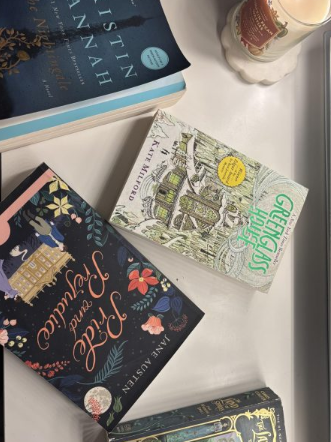
Between the sound of crunching leaves, the warm scent of a lit pumpkin candle, and the long, cozy evenings, fall is known to bring a deep sense of nostalgia. While we try to capture this emotion through countless fall activities, its true essence is found in the comfort of reflection and storytelling through literature. In the same way we feel nostalgia when experiencing fall traditions, authors often use this motif of “fall” to explore the complex feelings of change and memory, using the stories of characters set in the fall to resonate further with their wide audience.
Firstly, literature uses fall to portray the idea of change and evolution, whether that be positive or negative. Classics like “Little Women” and “Catcher in the Rye” highlight the importance of change and how inevitable it truly is. Set in Concord, Massachusetts, during the 1860s, “Little Women” is a timeless piece of literature that tells the bittersweet story of four close-knit sisters as they navigate the transition from childhood to womanhood and what it means in the Civil War era they live. Hope Edwards (12) shares, “Little Women is one of my favorite books and movies, especially to rewatch when it is fall time.” The cozy and warm fall setting helps the narrative translate to modern-day readers over 150 years later, as they grapple with the same challenges, embracing both internal change and the inevitable changing world around them.
Similarly, Salinger’s “Catcher in the Rye” set during fall/winter in New York City narrates the week-long exploration of young Holden Caulfield, as he discovers the world between childhood and adulthood, struggling to find his place in this space between the two. Often in literature set in fall, symbols like falling leaves and barren trees can symbolize the “death” or evolution of a trait or mindset of certain characters, as they shed old ideas, creating room for the rebirth of new ones.
Additionally, fall symbolizes the emotions of nostalgia and reflection. In the classic, “The Great Gatsby,” the setting suddenly shifts from summer to fall, and as it does, the tone shifts as well. Here, using fall as a symbol highlights the universal emotion of nostalgia, as Gatsby longs for Daisy with the realization that he may never truly have her. The use of flashbacks in “The Great Gatsby” adds to the mood of nostalgia, and this change in season is what truly encapsulates it. Holland Hyneman (12) says, “I think when a book or movie is set in the all, it just adds something. The nostalgia and the feelings are especially captured in these settings, because we can really feel all the emotion through these books.”
Lastly, fall in literature explores themes of death and darkness, creating famous stories and movies whose characters have created the modern “Halloween” culture. More literary classics like “Dracula” and “Frankenstein” have set the precedent for horror and film. These horror novels set in the fall force readers to face their fears. The presence of symbols like haunted houses, dark forests, and foggy nights creates a picture of the stereotypical “spooky” fall atmosphere, hooking us through both book form and entertainment form hundreds of years later. When we think of fall, we think of curling up by the fire with a good book as we listen to the sound of rain falling from outside. Classic literature perfectly expresses the tone and emotions we feel during this transformative time of year. Fall in literature shows us that letting go, remembering the past, and facing fear are all vital in embracing each changing season.
