




















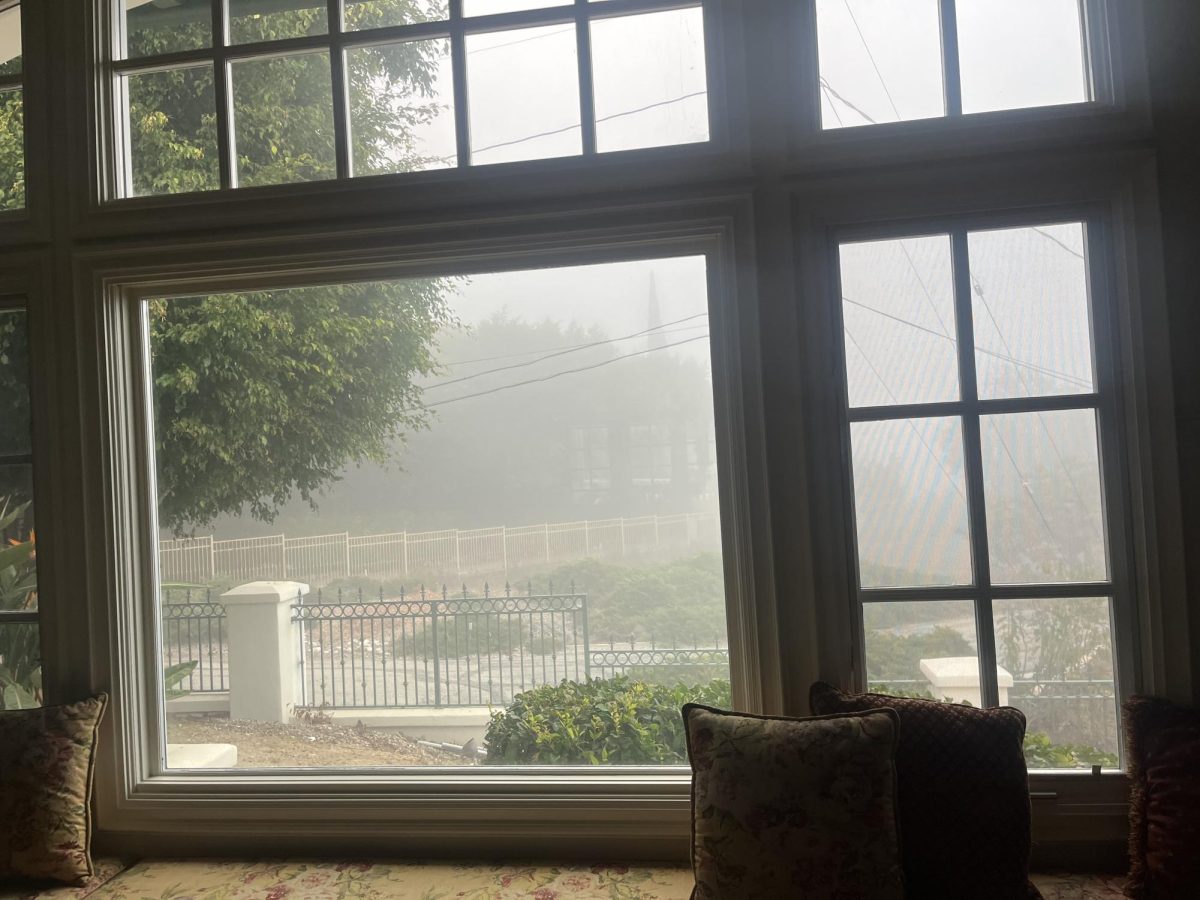
Depression is often triggered by things such as loss of a loved one, bullying, insecurities, and more. A common trigger among a variety of people, which is unfortunately unavoidable, is depression caused by change in weather, also known as seasonal depression.
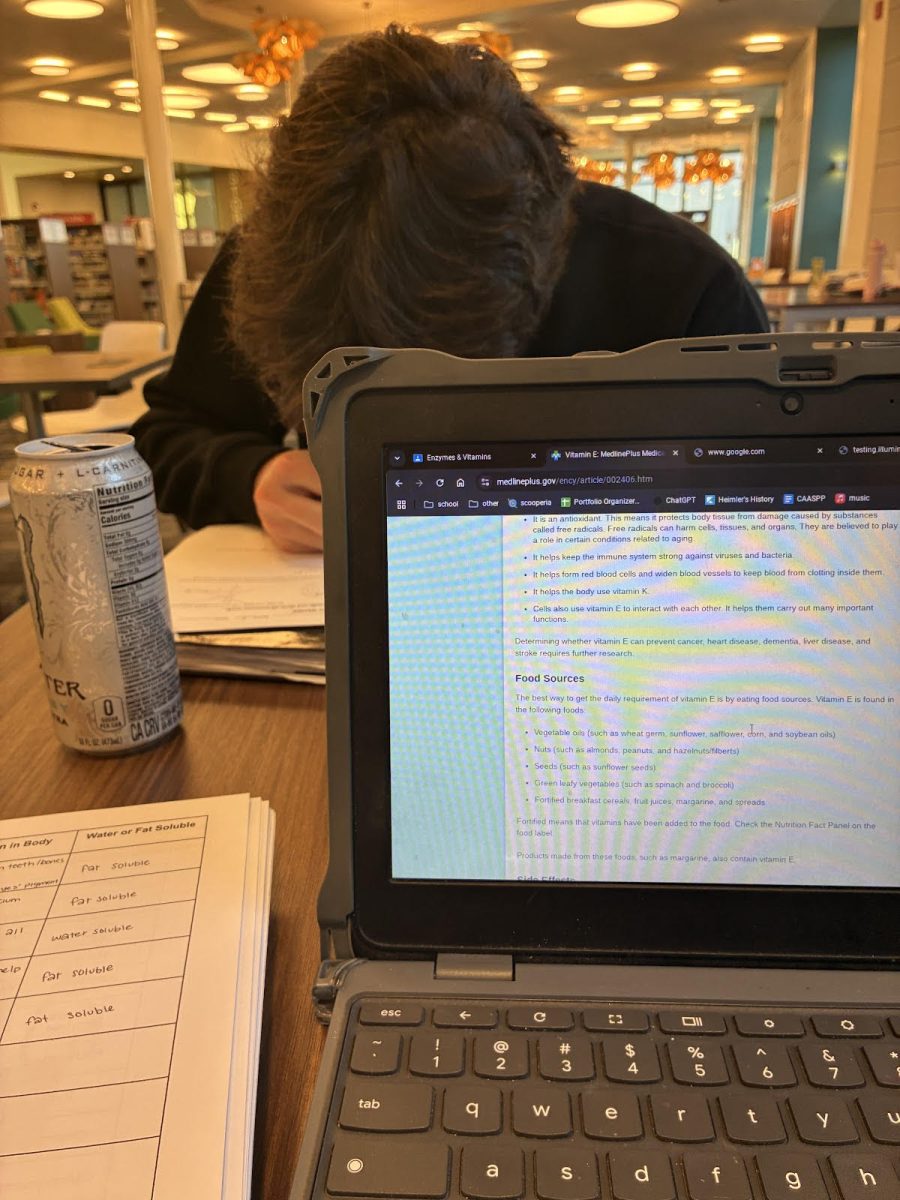
There are no black and white answers about what specifically causes seasonal depression; however, it is believed that there are multiple factors that contribute to this kind of depression. The biggest one tends to be the lack of sunlight and the gloominess that surrounds those months. For others, it could be extra melatonin production which is triggered by an increase in darkness. This causes those affected to be extra sleepy during the cold seasons, which plays into seasonal depression. The most straightforward solution to this would be to try your best to spend as much time outside in sunlight as possible. Another similar cause is the lack of Vitamin D, which happens from a poor diet and less exposure to the sun. The simplest solution would be to improve dioet and time spent outside. However, some individuals still have issues with Vitamin D deficiency, and from that point it would be best to consult a doctor and take supplements.
An interesting factor most do not consider is genetics. It can happen that if your family has a history of seasonal depression, you have a higher chance of obtaining it. Though, this does not always happen and sometimes it just happens to be personality or other factors previously mentioned. Joyce Yang (10) commented that “during fall and winter seasons, it starts to get dark very quickly, which affects my energy levels. I’ve noticed that I am always tired and always have a weird default feeling of sadness every day. I definitely feel like I perform way better academically and am much more sociable when it’s spring or summer, [which is when it is] sunnier.” Joyce is a common example of seasonal depression especially among teenagers. On the opposite side, her twin sister Grace Yang (10) observed that “I’ve never really dealt with seasonal depression unlike my sister. Even though we’re twins, we have different [preferences] such as seasons. I love fall and winter and the aesthetics, so if anything I feel even happier during these seasons. I think I have seasonal happiness.” This goes to show how although there are multiple proven common factors, seasonal depression can also be random and target anyone.
To summarize, there is no distinct cause, and therefore there is no distinct cure. Unless the individual is in severe stages of depression and is prescribed medication by a professional, those affected have to come up with at-home remedies. Like discussed before, taking Vitamin D (if low) and spending multiple hours outside are the first two steps someone should take to help limit their seasonal depression. After that, the individual should really focus on finding activities they enjoy. Whether that be baking, watching movies, playing sports, hanging out with friends, or reading books, finding a hobby you are passionate about really helps take your minds off things. It is also helpful to try and find the positives in these colder seasons. This can be the time off from school, Christmas, presents, Starbucks drinks, or really anything that makes you look forward to this time of year.
Having seasonal depression is not easy and can definitely take a toll on you, which is why it is so crucial to follow these or any other steps that can help improve your day to day life during these seasons.
