




















Started in February of 2024, the Smartphone Free Child Campaign was born when two parents, Daisy Greenwell and Clare Fernyhough created a WhatApp group for parents concerned about the harmful effects smartphones were having on their children.
Although we sometimes forget the impact our cellphones have on us, it doesn’t mean this impact does not exist. In a world where being bored is the most uncomfortable feeling, our phones create constant stimulus, boosting immediate dopamine. However, we only have a certain amount of dopamine we can expend in a day, and the highly addictive nature of cellphones robs us of a large percentage of a daily dopamine expenditure.
Here, cellphones become dangerous. As children and teenagers scroll on their screens for hours, they are consuming no useful knowledge. Instead, they are wasting dopamine when they could be using completing important tasks, making human connection, creating formative memories, or learning something new. Phones aren’t inherently an “issue,” but the Smartphone Free Childhood campaign identified the problem with cellphone usage by young children. Tessa Kientz (9) who just got her first cellphone as a freshman in high-school shares: “Although I do have a computer and an Apple watch, I never really felt tied to a screen in a major way, and not owning a phone might be the case. I also believe it’s helped with self control now that I do have a phone.” In a world where cellphones constantly distract us from reality and human interaction, Tessa continues, “The world is honestly beautiful, and people don’t need phones to see that.”
Smartphone Free Childhood has recently spread to the United States from the UK, highlighting its heightened impact. Smartphone Free Childhood US claims “Childhood should be about learning, friendships, and play— not scrolling. Access to smartphones and social media can lead to increased anxiety and depression, sleep disruption, limited and fragmented attention, and exposure to harmful content and underdeveloped social skills.” To emphasize their message, they highlight shocking statistics: the average phone ownership age is 11 years old, the average teen spends 4.8 hours on social media daily, and 95% of teens globally use social media.
In their efforts for reform, the campaign has created groups all around the globe to raise awareness about the issue and to connect with other parents, partnered with the Distraction-Free Schools Policy Project. Additionally, the organization connects parents with resources, books, and guides to navigating this universal challenge.
As society is becoming increasingly aware of the harmful effects excessive screen usage has on children, parents, psychologists, and experts have increasingly pointed towards cellphones as the culprit in many mental health, anxiety, and depression issues in teenagers. Although our cellphones don’t directly give us anxiety, the habits they indirectly create lead to feelings of stress, fatigue, and a sense of inadequacy, especially in the developing minds of adolescent teenagers. Social media forces us to subconsciously compare every waking moment of our lives, our accomplishments, and our personal possessions. The combination of the dopamine loops, social disconnection, sleep disruption, and fear of missing out created by our cellphones causes real, life-changing mental and physical changes that, in the long run, often have detrimental effects on wellbeing. Ally George (12) shares, “I notice the impact cellphones have on not just me, but those around me too.”
As the Smartphone Free Child Campaign grows and continues to spread, their idealistic impact also reaches a larger audience, calling parents and children to reassess how much they truly “need” their cellphones at such young ages. In a relentless fight to lower levels of anxiety and depression, and significantly increase human connection, creativity, and productivity, the Smartphone Free Child Campaign advocates for the next generation and the success of their bright future.
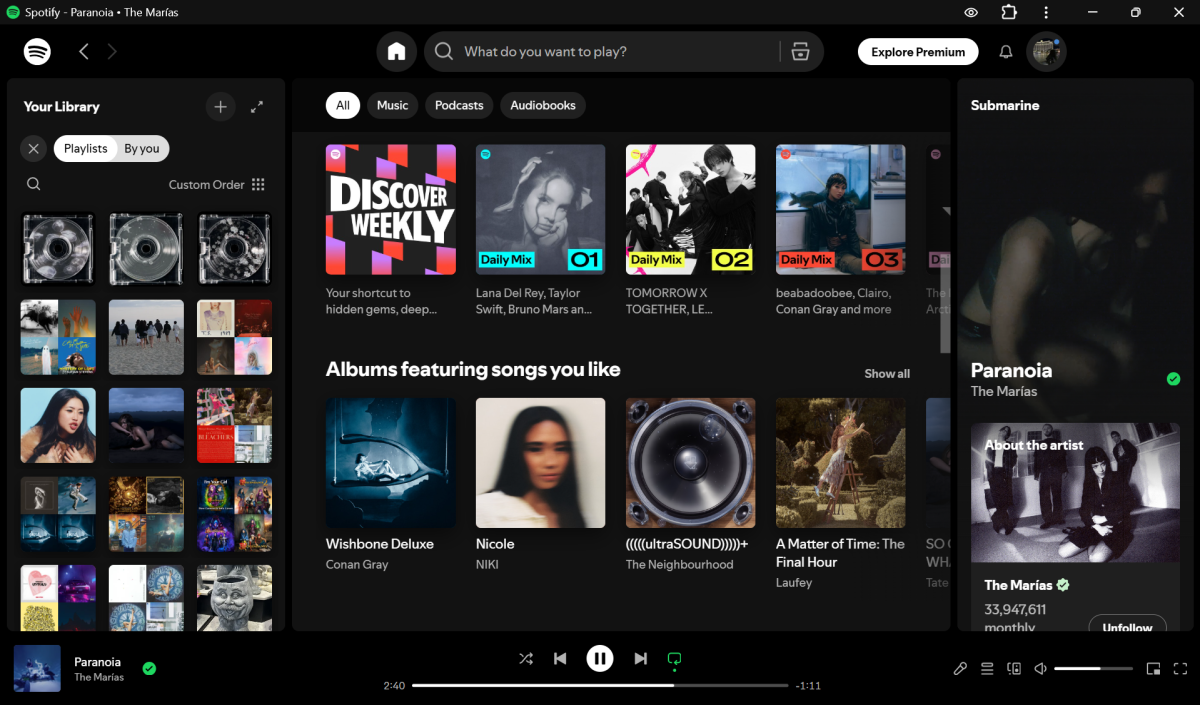
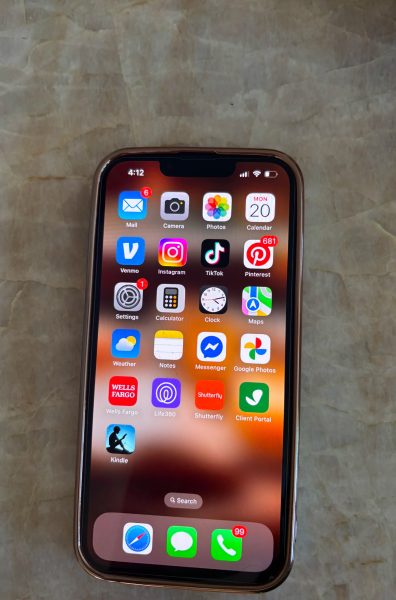
Caption: Cellphone apps displayed on a bright captivating screen, likely to hook teens for hours, distracting them from lives of meaning and purpose.
