



















The media outlets in the United States have historically avoided discussing women’s sports, but the data doesn’t lie; women have made their mark.
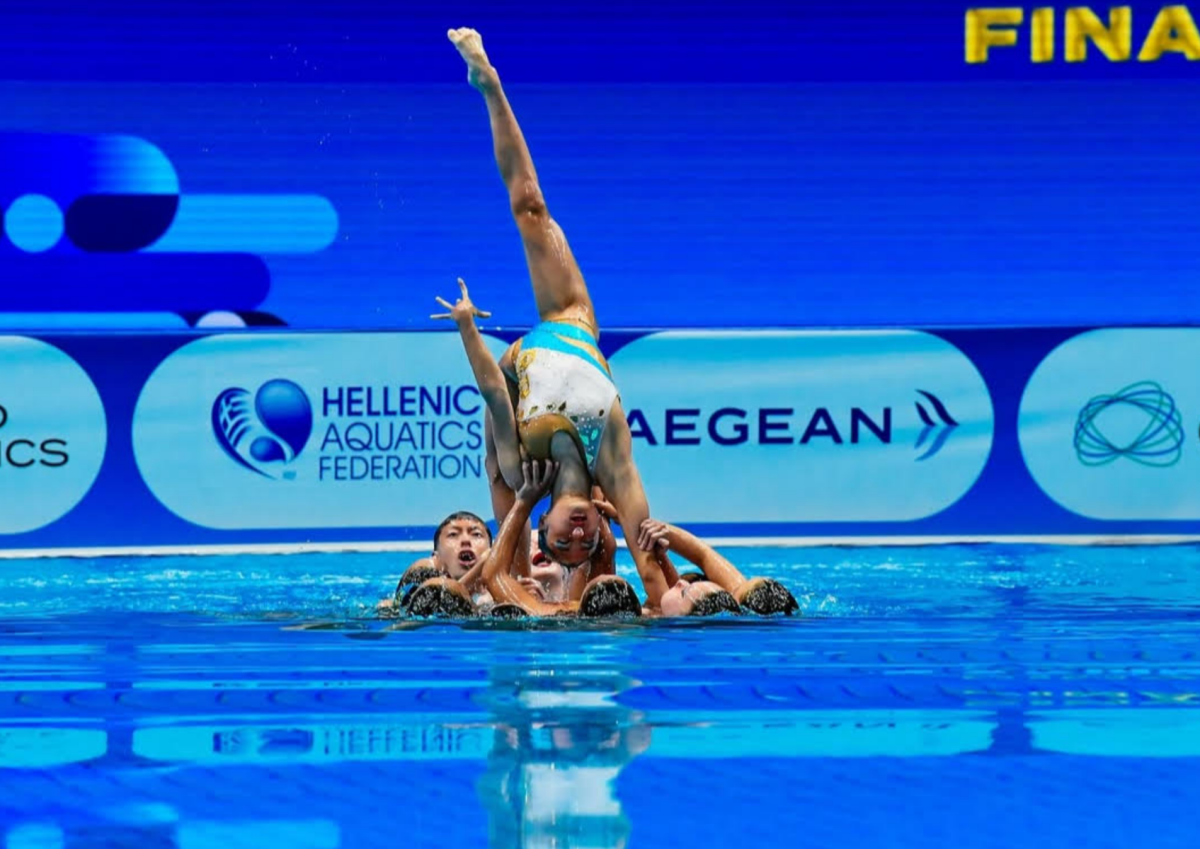
In 2024 alone, women won 67 of the USA’s 126 medals. An article by NPR even states that during the 2024 Paris Olympics, American women would have placed third in terms of total medals earned if they were their own nation. Thanks to these wins, women have gained more and more attention in athletics.
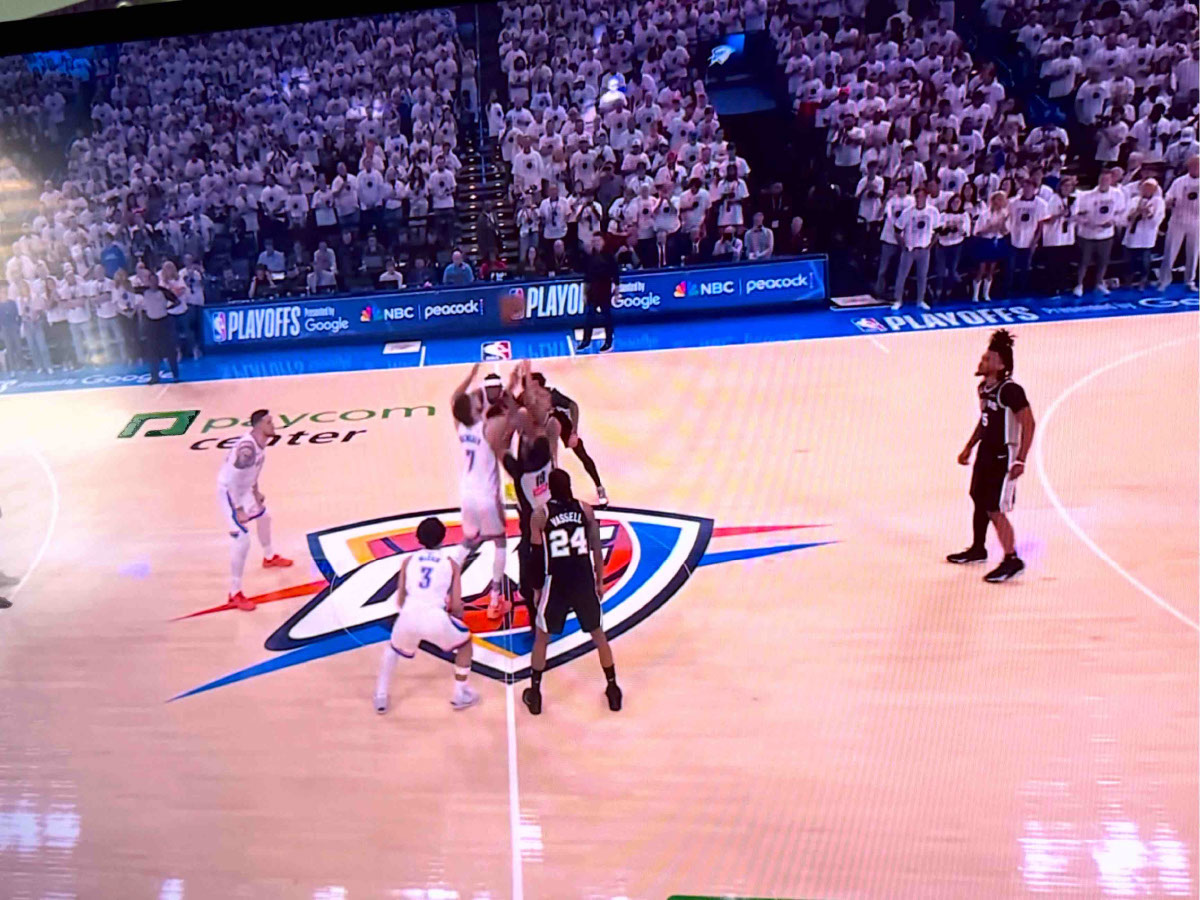
A major milestone for women’s sports has been in the WNBA (Women’s National Basketball Association), which has shown “unprecedented growth.” Caitlin Clark is partially at fault for this increase in viewership. Caitlin Clark, a star for the Indiana Fever, managed to bring up viewership on ESPN during the 13 games she has played in. Unfortunately, she has suffered an injury, and won’t be playing as of now. Whether her absence will affect viewership or not is to be determined.
Unfortunately, this level of coverage hasn’t necessarily been present in other sports-related competitions. For example, a study done by the University of Florida’s college of Journalism and Communications, analyzed 311 hours of Olympics coverage from 1996 to 2021, and revealed that women and men received around the same amount of broadcast time, but women were “underrepresented in comparison to their wins.”
Cynthia Lan (11), a student at Yorba Linda High School, shares her concerns on this topic: “As a breaststroker in swimming, I love Lilly King. She is a multiple Olympic gold medalist in breaststroke, a world record holder, and I also love her outgoing personality! But she often gets less media coverage than male swimmers like Adam Peaty, who have similar accomplishments in their events. Not saying that Peaty isn’t good, but I think part of the reason that the media often focuses more on male athletes even when women are breaking records and winning medals too is because of long-standing stereotypes that men’s sports are more exciting and intense.”
More students like Grace Gomez (11), have also noticed this trend, saying: “Despite being one of the best softball players of all time, Bri Ellis receives far less recognition than even an average MLB (Major Baseball League) player. She was named the USA Softball Collegiate Player of the Year and SEC Player of the Year. Meanwhile, most baseball players can just benefit from national TV coverage, and just by being on a team will still be twice as much talked about than she is.”
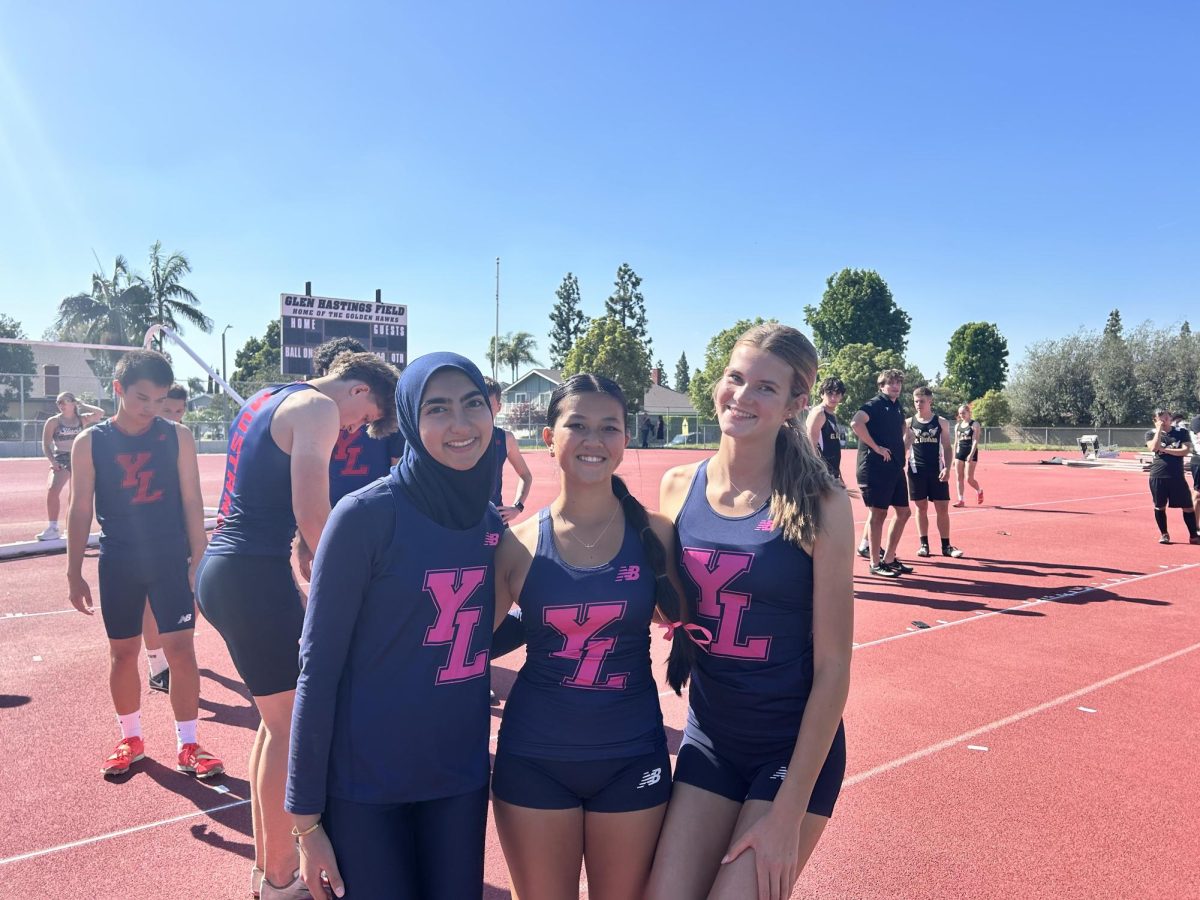
Although female athletes might be subject to media scrutiny on many occasions, Title IX is largely contributory to the more equal coverage in schools. Signed during the Nixon administration in 1972, Title IX prohibits discrimination based on gender in educational activities that receive federal funding. It was a more formal way for female athletes to force their way into the spotlight, but didn’t come with a welcome celebration; many opposed having to reduce funding for the men’s teams and covering them in the media.
Abby Kim (11), a beneficiary of Title IX shares her experience as a tennis player her freshman year of high school: “I believe that YLH’s tennis program is well supported by both the school and by parents. The connections that we have made and the opportunities that we have been given in the tennis team have been very positive overall.”
Given the variety of cases where women have outperformed men, and the legal precedent for equality, women should be given a chance at the spotlight. Rewards for accomplishments shouldn’t be about gender, it should be about skill.