






















As I have begun applying to college in hopes of becoming a physical or occupational therapist, I noticed that some colleges offer pre-physical or pre-occupational therapy tracks. Still, one thing that stood out was that some places would offer only pre-physical therapy tracks, which made me more invested in discovering more about each track.
Both physical and occupational therapy are fields of healthcare that offer opportunities to improve a patient’s physical function, well-being, and mobility. Both are effective ways to help patients who suffer from different aspects of mobility. It is important to take into consideration the similarities and differences each field has to either know which field you would like to go into, or where you might need to seek help.
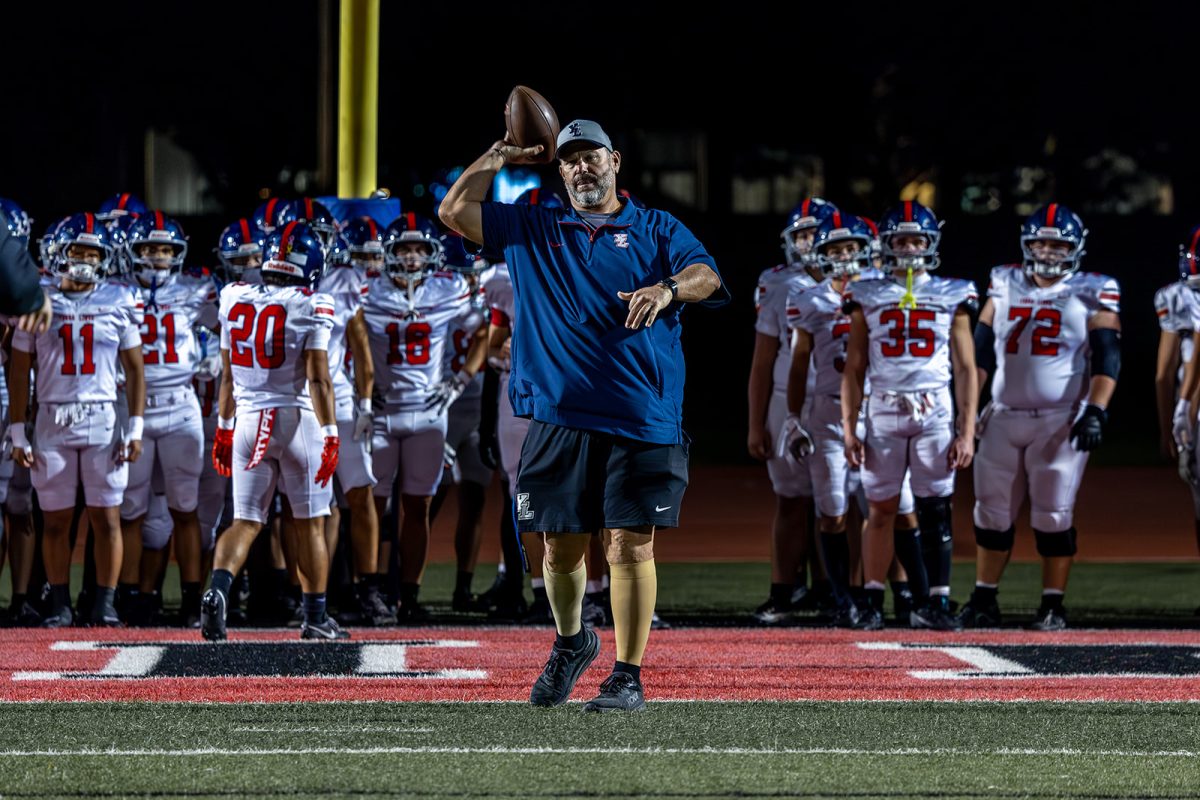
Physical therapy focuses on optimizing mobility in a patient, usually after sports injuries. Physical therapy emphasizes prescribed exercise, hands-on care, and patient education. Through physical therapy, patients receive help on how to prevent further injuries that have occurred previously. Physical therapists prioritize rehabilitation even after injuries to keep the area or muscle strong and avoid causing the same or worse injury. Football athlete Vaughn Sharp (12) shares, “Through my ACL recovery journey, I attended plenty of physical therapy sessions where each workout made me stronger to assist in getting back to where I needed to be. Physical therapists truly do an amazing job of providing patients with the correct workouts to get them back and ready to play. For me, playing football is extremely important, and through months of physical therapy, I was able to get back onto the field playing again this year. ” .
Similarly, football athlete Tyler Biegler (12) has recently torn his ACL and has “[J]ust started my ACL recovery journey, which has been difficult. Luckily, I’ve had great guidance from my physical therapist, who is constantly helping me with my form and technique on the exercises in order to get me back to how I was before. I know this journey will be long and tough, but I am thankful for the physical therapists who are helping me in recovery.”
As for occupational therapists, their job still focuses on the rehabilitation of the human body, just in a different area. Occupational therapists assist in modifying, adapting, or changing the daily activities that a patient is required to perform (MCPHS). Occupational therapists are known to focus on the upper body of humans to improve a patient’s fine motor skills. Many patients go through life-altering accidents, traumas, and injuries that leave them unable to perform daily activities like brushing their teeth, putting on their clothes, cutting food, etc. Occupational therapists allow patients to regain their independence through exercises and strategies prescribed at their appointments.
Another interesting aspect of these two jobs is that both therapists work with children and adults who have a delay in certain skills or disabilities. Although occupational therapists work with many more patients who have disabilities or children with skill delays, physical therapists are also involved in caring for these people.
Both physical and occupational therapists can work in private offices, hospitals, home healthcare facilities, and nursing care facilities (Sage). Some occupational therapists also work in schools and other similar areas.
In conclusion, both therapists are extremely valuable in regaining strength for different patients depending on their needs. While physical therapists mainly work on sports injuries and injury rehabilitation, occupational therapists work with patients who have been through accidents or situations that have limited their ability to perform day-to-day activities.
