

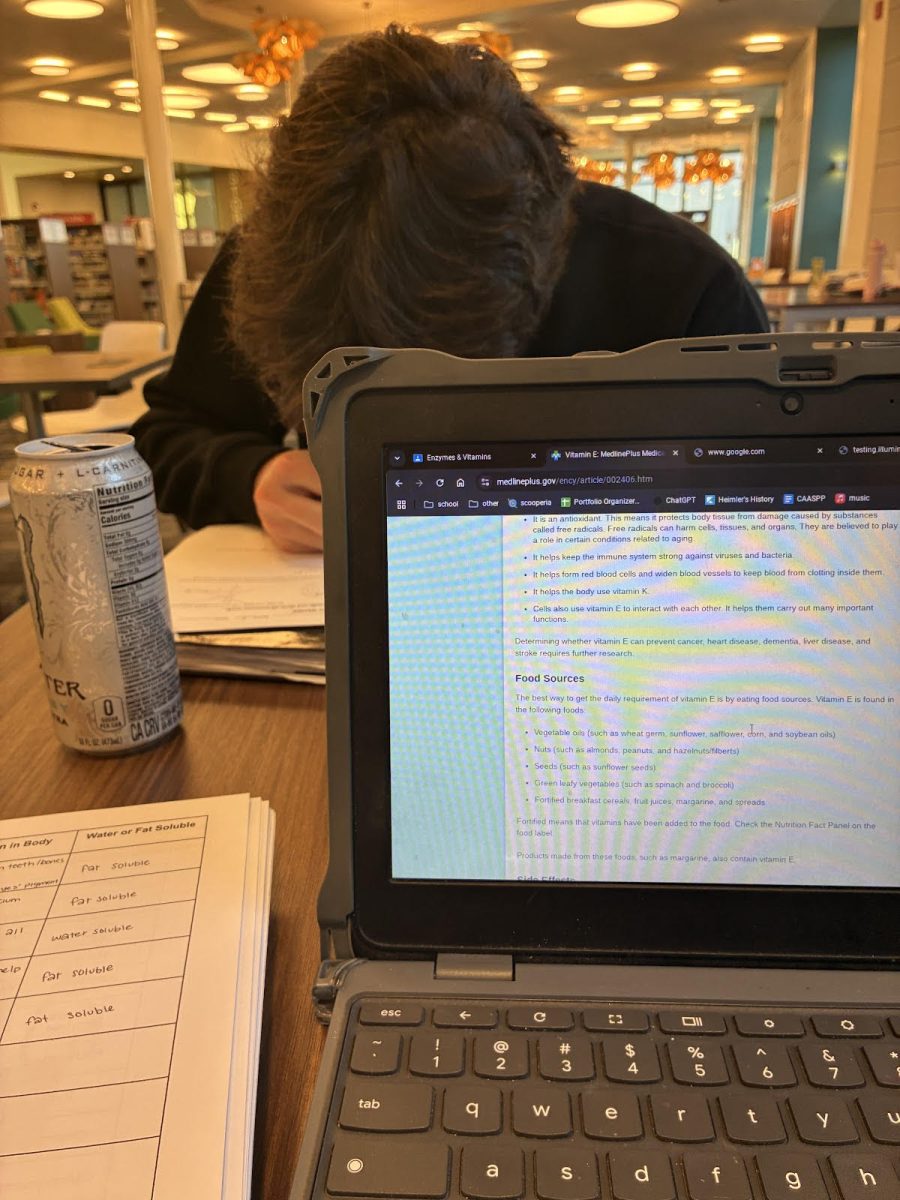























When people hear the word “therapy,” they often imagine someone lying on a couch, pouring out their struggles and problems to a stranger. But therapy isn’t just for those in crisis; it can be a helpful tool for personal growth and self-awareness. Even if you think you’re a mentally healthy person, therapy can help you understand yourself better, manage stress, and build emotional skills that last a lifetime.
Mr. Walls (S), the YLHS AP Psychology teacher, frames therapy as a form of training for the mind: “Therapy is to your mind and emotions what a physical trainer would be for your body. If you need to get in shape, they’ll show you how to do so safely and efficiently; if you are in shape, they’ll help you prevent injury and push your limits.” He adds that therapy is valuable not only for recovery but for prevention and growth, which helps students to “build resilience in the face of difficulty, communication skills to help with interpersonal relationships, and check-ins to notice problems or issues before even you may be aware of them.”
There’s a common challenge many students face: pretending to be okay. High school is filled with pressure from grades, relationships, and future plans. Due to this, many of us act like we have everything together, even when we’re stressed or struggling. The truth is, everyone faces emotional ups and downs, and therapy offers a safe space to stop pretending and start being honest about what you’re feeling. Even if you don’t think you “need” therapy, it can help you open up, reflect, and find healthy ways to handle what’s really going on beneath the surface.
Therapy isn’t only about treating anxiety or depression; it’s also about promoting overall wellness. Mrs. Heim (S), YLHS’s Wellness Specialist, offers an important perspective. “I don’t believe that everyone needs therapy,” she shares. “There are definitely tough times in our lives, and a therapist is a great support to help walk through those dark times with us. But some struggle is actually good for us; it teaches us the skills necessary to get over obstacles and become stronger.”
She continues, explaining that there’s a difference between normal stress and harmful stress. “There is a good kind of stress, called eustress,” Mrs. Heim says. “It’s the motivation we use to push ourselves to try our hardest when needed. The goal isn’t to eliminate stress but to manage it, because we’ll never live a life without stress.”
Mrs. Heim adds that while therapy can be deeply helpful, it’s equally important to build resilience and lean on social supports like friends, family, or teachers. “Sometimes, people come in just wanting someone to talk with,” she explains. “In those cases, I make it a short treatment plan and encourage them to get stronger in utilizing their support and having realistic expectations about how life is supposed to go.”
But one major barrier that keeps many people from seeking therapy is the cost, Ms. Parsons (S), the school psychologist, recognizes this issue. “Cost is definitely a concern for many families,” she says. “Most insurances cover counseling sessions with a small co-pay fee, but for those without traditional coverage, there are affordable options such as Medi-Cal or community clinics.” She recommends checking out psychologytoday.com, which “is like Facebook for therapists; it helps people search by insurance, specialty, and location, and even see photos and bios before contacting someone.”
When asked how to know if it’s time to see a therapist, Mrs. Heim explains, “When anxiety or depression becomes so overwhelming that it impacts your daily functioning—like getting to school, keeping up with grades, maintaining relationships, or even sleeping and eating regularly—it’s time to seek help.” She adds that therapy “is a gift you give yourself…it’s work, but it allows someone to walk through those dark times alongside you.”
Mr. Walls also addresses common misconceptions: “therapy is not an admission of weakness” nor a sign of being ‘crazy.’ “Part of the issue here is the incredible sacred nature of our minds…While we’ve come a long way towards understanding that mental illness is not a personality failing, but a medical issue, many people fear being judged for seeking out a therapist or psychologist.”
“Therapists are trained to work with clients with ‘radical’ acceptance, and have almost certainly heard about individuals with far more embarrassing or traumatic issues than what you are going to share with them.” Mr. Walls adds.
He emphasizes the importance of the therapeutic relationship to encourage students to find a therapist they are comfortable with and to be honest in sessions, since “therapists can only work off the information given to them.” He warns that therapy is gradual and often difficult, that “[m]uch as losing weight requires long and difficult hours in the gym, improving emotional health requires struggle.” But stresses that this work builds long-term gains in resilience and interpersonal skills.
For this reason, the next time you feel overwhelmed, uncertain, or even perfectly fine, you can visit the Wellness Center located in the library at YLHS or talk openly with a trusted teacher. They’ve all gone through similar challenges, and honest conversations can really help.
In a world that constantly pushes people to stay busy and competitive, therapy serves as a reminder that slowing down and checking in with one’s mental health can help life run more smoothly and build greater confidence.

Megan Huynh • Feb 26, 2026 at 7:36 AM
This is a wonderful perspective on this debatable topic.