















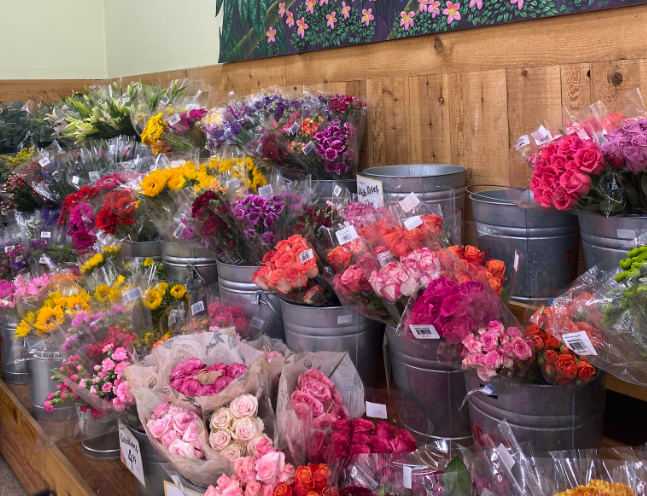






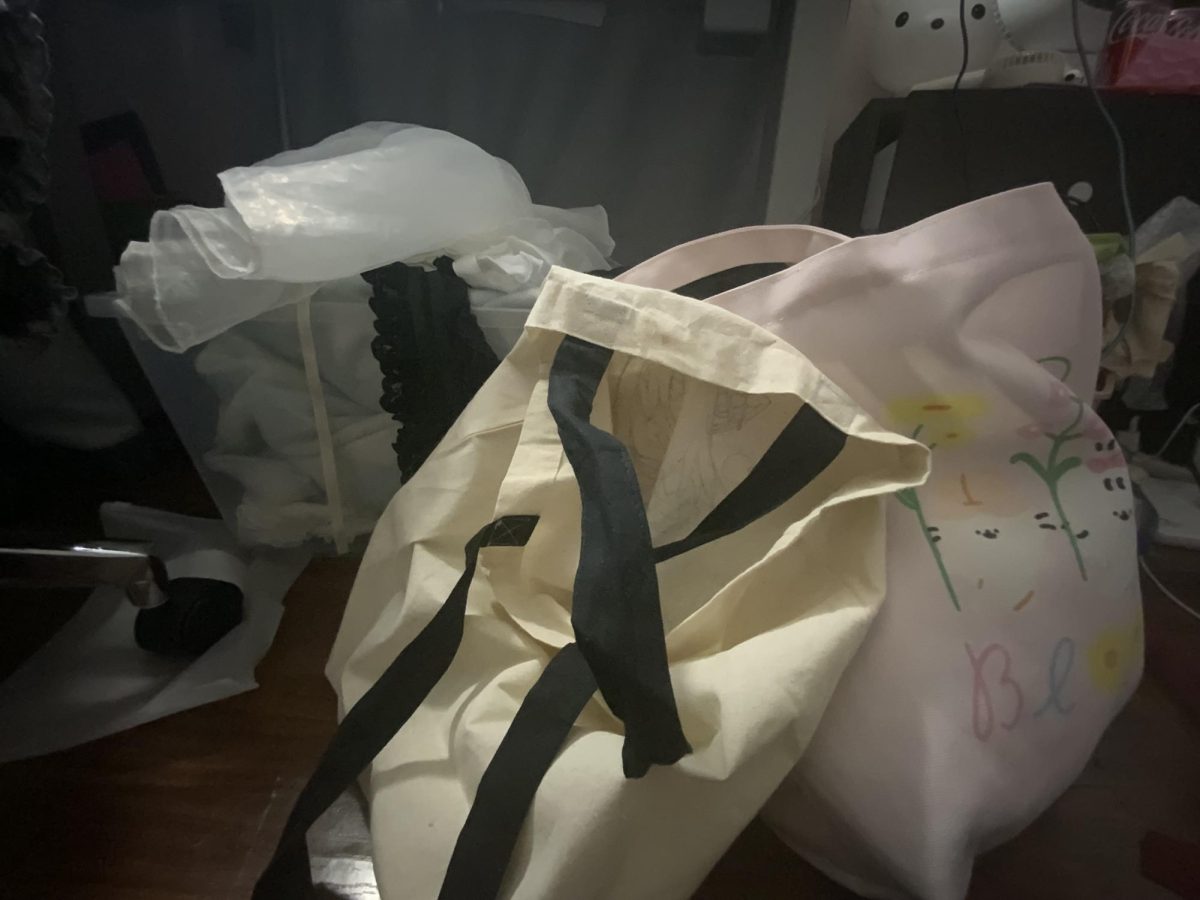
In the current era, shopping has become more than just a way to meet our basic needs; rather, it’s become a lifestyle, hobby, and oftentimes a form of self-expression. The rise of overconsumption in recent years has turned ordinary buying habits into excessive spending cycles, where people purchase far more than they truly need. The culture of “more” had risen, often at the expense of both our wallets and the planet.
One of the biggest factors of overconsumption is the rise of influencer culture. Social media platforms like TikTok and Instagram constantly expose users to trends, “haul” videos, and aesthetic lifestyles that encourage viewers to keep up by purchasing similar items. Influencers often present a polished image that makes frequent shopping seem normal and admirable. As a result, many, especially younger audiences, feel pressured to buy new clothes, supplies, or decor to fit in with the passing trends.
Another cause of this issue is the use of marketing deals and promotions. Phrases like “buy two, get one free,” “limited-time offer,” or “flash sale” create a false sense of urgency that pushes consumers to make impulsive purchases. Although these deals appeal to save money, they often lead people to buy items they don’t truly need. The use of psychology in sales makes consumers accumulate unnecessary products that end up forgotten or wasted.
Aside from influencers and marketing, fast fashion and digital convenience have also made overconsumption easier than ever. Online shopping allows people to buy products with a few taps, and fast fashion brands produce cheap, trendy clothing. The constant arrival of “new” items encourages repeat purchases and shortens the lifespan of each product. The growing culture of instant gratification feeds into the idea that satisfaction can always be bought.
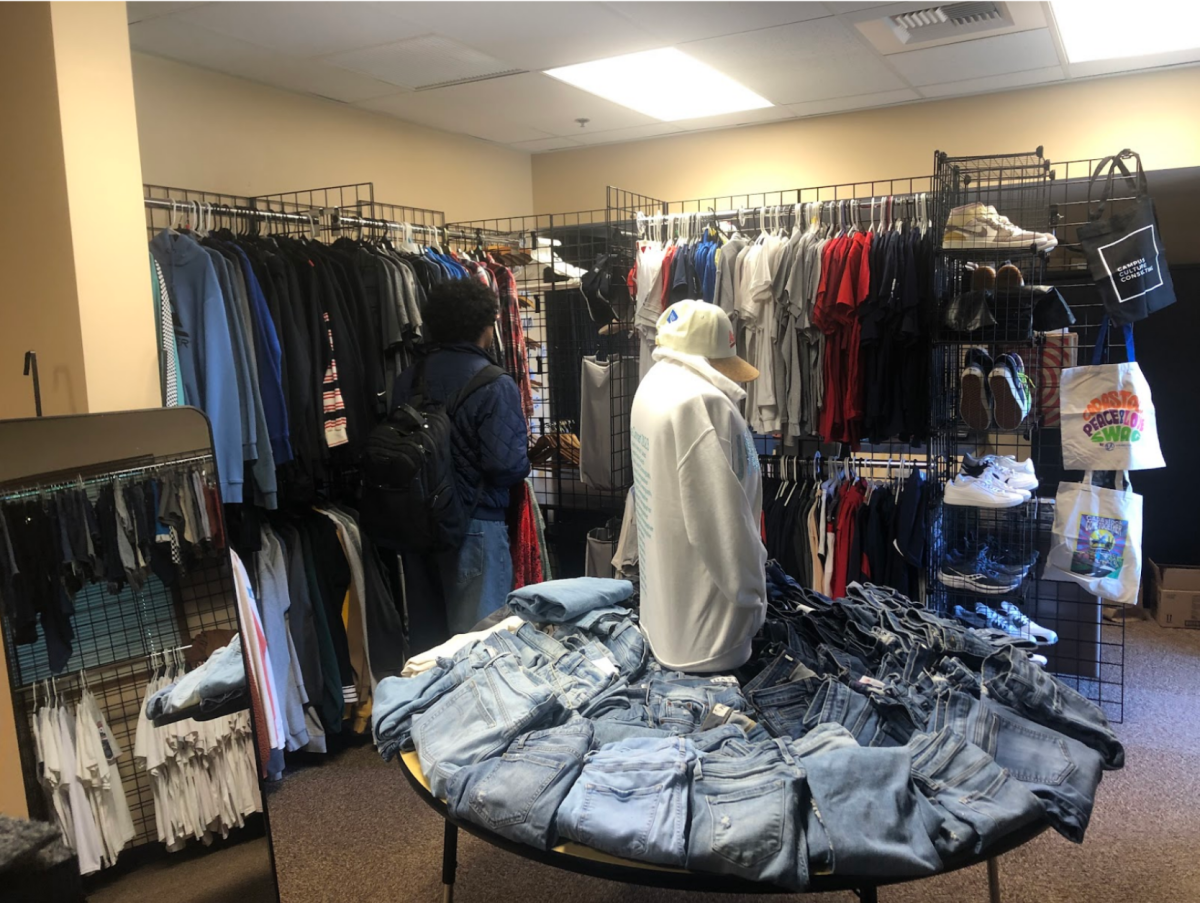
However, although normalized, overconsumption is not inevitable. Practicing sustainability is possible, and individuals can start by being more mindful of their purchases. Rather than simply buying a product, Lillian Li (11) shares, “Before buying an item, I always ask myself, ‘Do I really need this?’ or ‘Will I use this long term? ‘”. This allows you to prevent unnecessarily spending money on things you don’t really need. Not only this, but supporting secondhand stores, repairing instead of replacing, and buying from ethical or local brands are also meaningful steps. Reducing waste, recycling, and reusing materials can make a difference, too.
Most importantly, shifting our mindset from wanting more to valuing what we have in the present can help break the constant cycle of overconsumption. True satisfaction doesn’t come from endless new possessions, but from appreciating what we already have. Rui Zhao (10) explains, “Overconsumption might feel normal now, but making mindful choices is how we can protect the planet for the future.” By choosing sustainability, people can help protect resources, reduce waste, and create a culture where thoughtful living replaces constant spending.
