









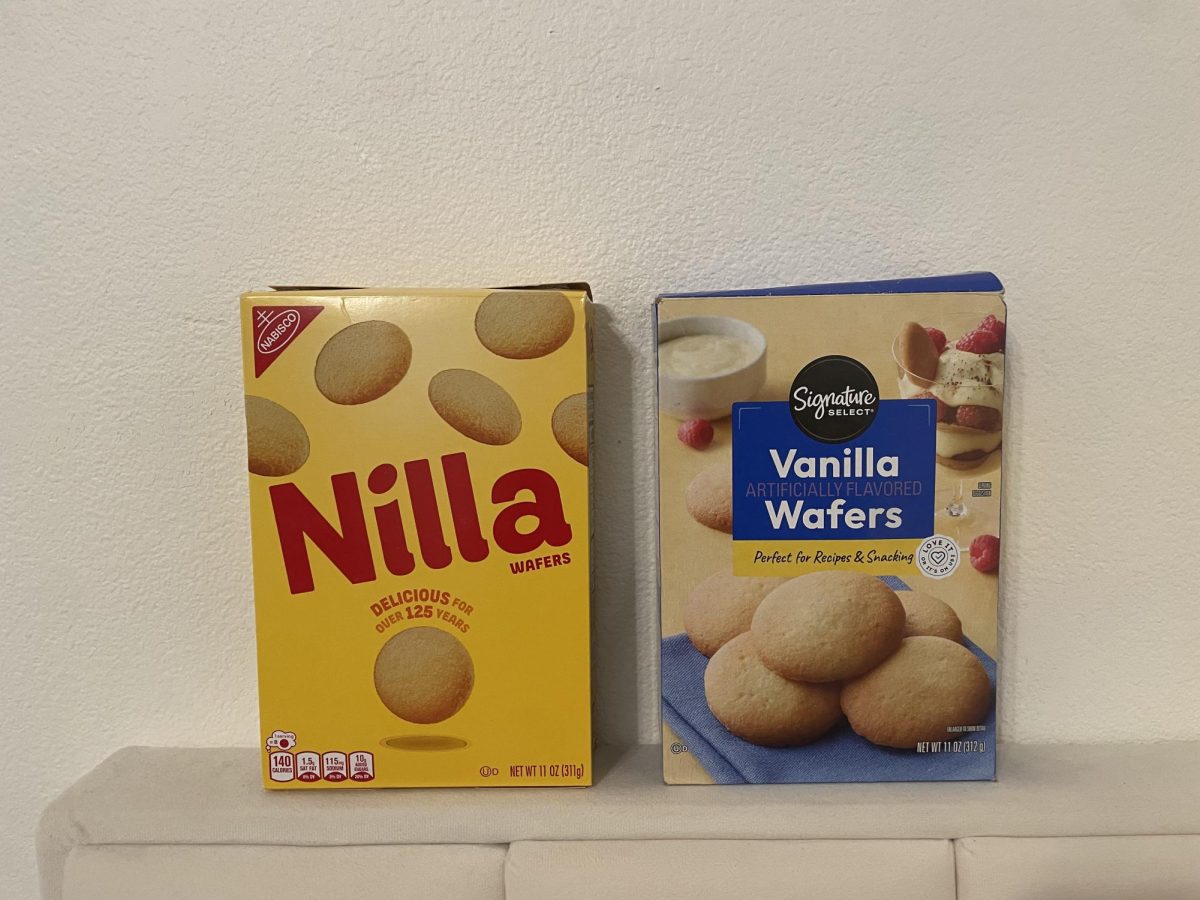
When presented with two identical products, a highly priced product and one half the cost, customers often choose the more expensive one. Although the two products have similar quality, function, and style, there is one definite reason people are more inclined to buy the higher-priced item: its brand. In recent times, people have been more inclined to select products based on the ties and feelings they receive from a certain brand; a sensation referred to as brand loyalty.
Although it is assumed that brand loyalty is purely based on the product, various factors make brand loyalty a psychological phenomenon. To start, branding is one of the main influences that determines what customers purchase. With the use of brand ambassadors, companies can influence consumers to purchase items based on what they aspire to be. For instance, Nike recruits professional athletes such as Faith Kipyegon, Carlos Alcaraz, and Lebron James, each addressing a select group of athletes. Individuals feel that what brands they buy reflect the type of person they will come across as, often under the impression that business brands and personal brands are interlinked. Another way brand loyalty is upheld is by “brand tribes”, or when a company claims that their products are reserved for a specific group. This fosters an emotional bond between the customers and the company itself by creating a community base. With this community, people feel obligated to continue buying from the same brand (VirrgoTech).
In addition, assurance, distinctiveness, and perceived worth factor into brand loyalty (Pony). Customers feel that since the company is well-known and established, the products they receive will come with the same level of quality. Individuals believe this statement is correct due to the influence of others’ brand choices around them. For instance, if used by members of one’s community, the customer feels at ease buying products that others find trustworthy and reliable. Furthermore, brands use distinctive marking and packaging to catch the attention of customers. Using Nike as an example again, their iconic swoosh and slogan “Just Do It” are symbols of athleticism and courage. Its uniqueness sets it apart from competitors and establishes a brand differentiation that encourages people to stay loyal to its brand. The names of businesses are also exceptionally significant due to the belief that certain brand names convey prestige. Individuals frequently mistake a higher price tag for higher quality. In reality, the off-branded item offers the same product at a lower price. Society gravitates towards name brands due to their long-lasting business life and the assumption that they have been around for a reason. The customer loyalty that certain businesses have accumulated over time is based on the many generational influences that certain brands are better. Although these brands may have once been at the top, due to a rise in people becoming brand-driven, named businesses start to cut costs. Businesses can continue cutting corners because they know their customers will stay loyal to their brand.
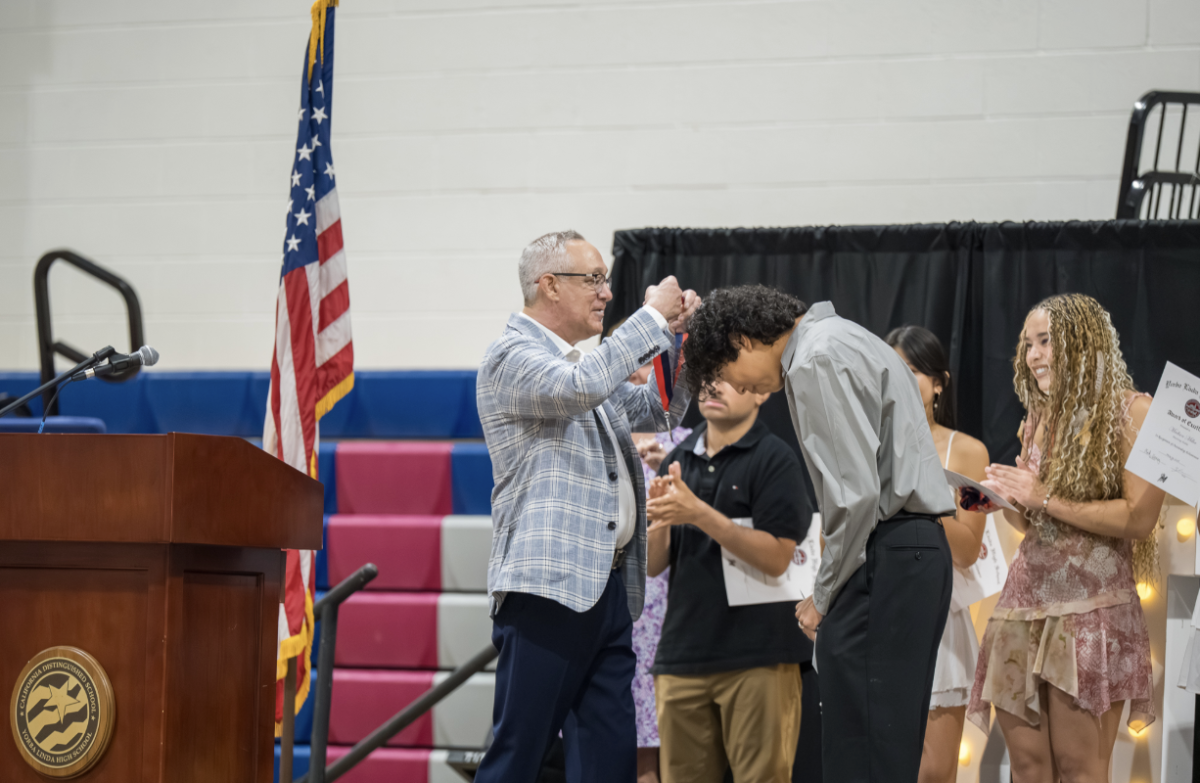
Teenagers also face similar psychology when purchasing products of named brands -They frequently feel the need to fit in with their peers. These young adults feel comfortable knowing that they assimilate with their peers, given that they dress and shop similarly. Another reason for teenagers buying specific brands is due to the rise in influencers and social media. According to Chloe Kim (9), a student attending Yorba Linda High School, “I often come across many popular influencers advertising certain brands to their younger audience. At first glance, it is not evident that these influencers are being paid to advertise, and it seems that they truly support the brand”. Oftentimes, teenagers are encouraged to buy from certain brands by the content being shown on social media. Teens commonly idolize their favorite influencers and grow vulnerable towards believing all the information they are being “fed”.
To test the psychological claims, students at Yorba Linda High School were presented with 2 brands to choose from. In the experiment, students were first offered Vanilla Wafers without knowing the brand, and then they selected which one they enjoyed more. Following these actions, students were given the same wafers, knowing which one was the named brand and which was the generic brand. After interviewing ten students, seven initially chose the generic brand, but once they were informed of the brands, six individuals switched their answer and preferred the named brand, Nilla. Following the experiment, Insiya Harianawala (9) claims, “Once knowing the brands, I felt more inclined to choose the branded option over the generic due to the feeling that the name brand seems more reliable and tastier”.
To conclude, individuals often “buy the brand” based on the psychology behind marketing, brand loyalty, and personal connections. Although buying certain brands may seem tempting, these major brands are among the main contributors to global waste. People becoming more brand-driven is also leading to social insecurity and financial issues.. To avoid any future environmental and social issues, it is essential to stop buying products based on name and to purchase items based on what fits a person’s needs more. Next time you find yourself debating between the name and the generic brand, pick up the generic item. It just might surprise you.
