


















For many student-athletes, life is a constant game of balance between sports and schoolwork. While sports can be an exciting part of the high school experience, managing both athletic and academic commitments requires serious dedication, time management, and resilience.
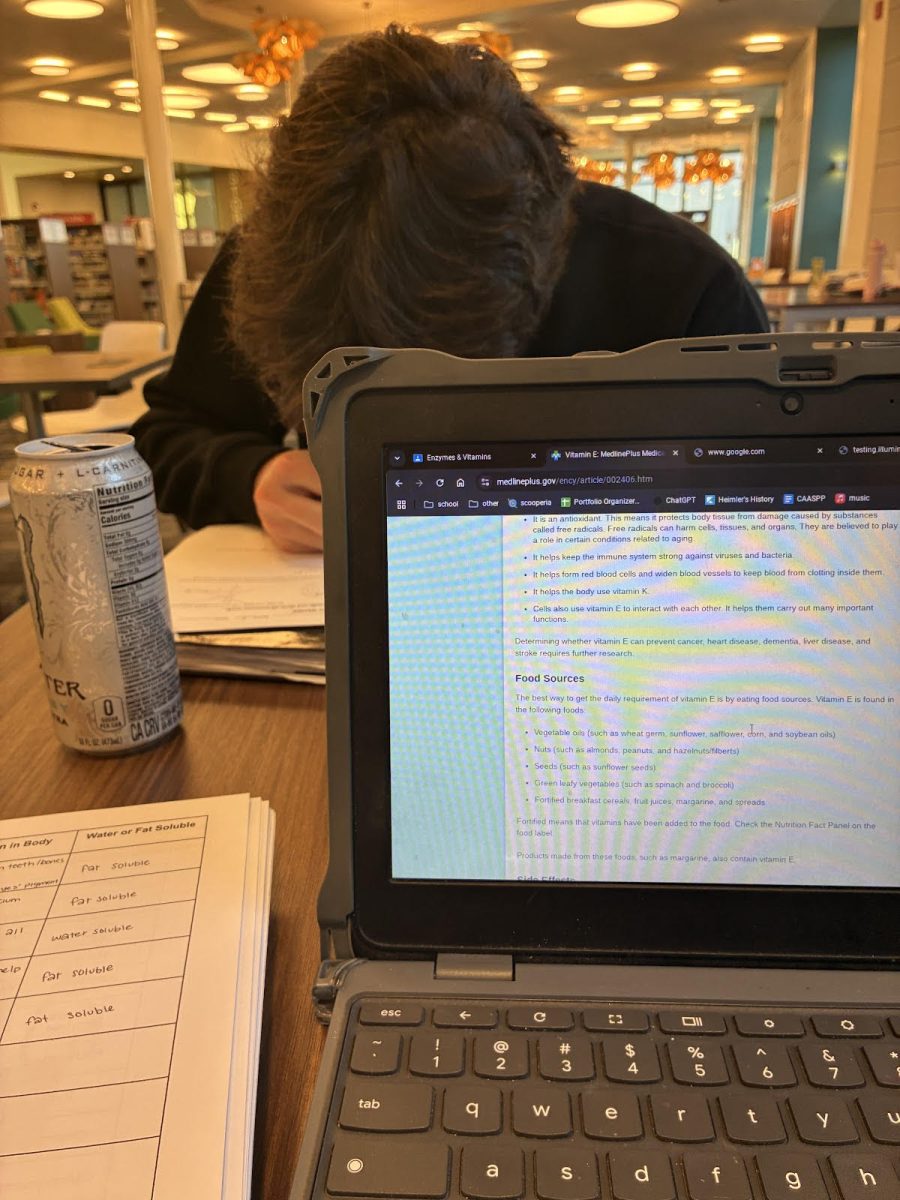
At first glance, it might seem that student-athletes have it all figured out. They show up to class, attend long practices, compete in weekend tournaments, and still manage to turn in their assignments on time. But behind the scenes, there is often a struggle to keep both sports and schoolwork in motion.
Planning is key. Most student-athletes develop strong organizational skills due to necessity. Calendars, reminders, and study schedules become as essential as cleats or ballet shoes.
Some even use downtime to get schoolwork done, like finishing homework on the bus or flipping through flashcards before warm-ups. Varsity Song Leader, Leighton Werner (11), shares what her typical after-school schedule looks like: “Typically, after school, I have song practice from 3:00–5:30, then straight from song, I dance at my studio from 6:00–9:30. I usually try to get my simpler homework done on the way back and then finish the rest when I get home.”
On top of her demanding schedule, Leighton is enrolled in multiple AP classes, including AP English Language and AP Environmental Science—a workload that makes balancing her time even more challenging. For student-athletes like her, time management is not just helpful, but vital. Between practices, games, and performances, every second counts.
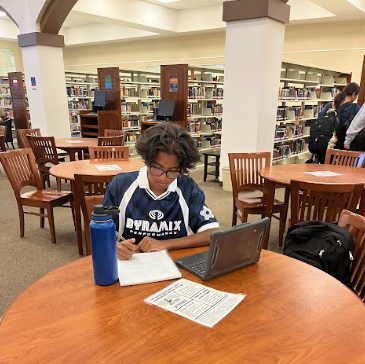
Soccer player Armaan Jansen (11) also experiences a similarly busy schedule, as he states, “After school, I have off-season soccer practice until 3:20, which would be 4:30 during the regular season. I get home about 15 minutes later and immediately start my homework, which takes me about 2-3 hours on average. After finishing my homework, I finally get some time to myself before going to bed around 11:00.”
In addition to soccer, Armaan takes AP Chemistry, AP English Language, and AP U. S. History, a rigorous lineup that demands careful planning and focus. Like many student-athletes, he has learned how to manage his workload efficiently while maintaining his performance both on the field and in the classroom.
Balancing sports and academics helps students develop essential life skills—discipline, responsibility, and time management. These habits often extend far beyond school. Student athletes learn how to set goals, prioritize, and push through challenges, preparing them for college and future careers. The balance they practice daily becomes a foundation for handling future responsibilities with confidence.
Despite the challenges, most student-athletes would not trade their experience for anything. The discipline, teamwork, and perseverance they develop often translate far beyond school walls. In the end, balancing everything is no simple task—but it is exactly what makes student-athletes stand out. Their ability to manage their time, stay organized, and give their best effort in everything they do proves that success is not just about winning games—it is about mastering the art of balance.