





















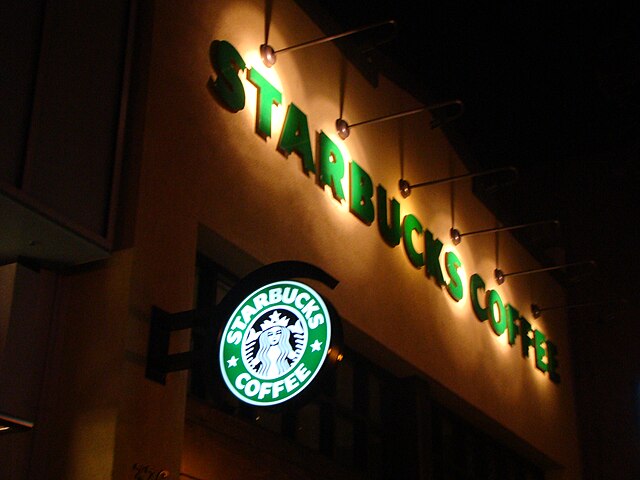
Three guys, an inspiration, and motivation. That’s all it took for the start-up business Starbucks to get off the ground. Zev Seigel, Jerry Baldwin, and Gordon Bowker all met by chance and knew immediately they wanted to do something together. They had creativity to spare and bounced ideas all over the place. They started with small ideas: a radio program, documentary films, but none found success. That was when Gordon Bowker was struck with inspiration–by a cup of coffee. They quickly found inspiration from the gourmet coffee roasting company Peet’s, which can still be seen as an accomplished business today. They were inspired by what Alfred Peet was doing in the coffee industry, and they wanted to take that magic to Seattle. That’s all it took for the three friends to get an idea–they just didn’t know how successful they would be.
Interestingly enough, Starbucks started out simply selling coffee beans. No cups, just beans. The founders Seigel, Baldwin, and Bowker made their profits by buying Peet’s coffee beans and selling it under their name, but they eventually expanded to roasting their own. With their few stores, only one gave out free coffee samples to lure in customers for the bean sales. It wasn’t until 1983 when new hire Howard Shultz introduced the exciting prospect of espresso bars. He had been a risky hire from New York with big ideas and even bigger ambitions. Inspired by the romantic espressos of Italy, Shultz took the idea and started running. The original three were wary of the idea of selling espresso, believing it wouldn’t be much of a profit. However, they were proved wrong in 1984 when a new store opened in downtown Seattle–with an espresso bar. Shultz later bought the whole company and turned it into the popular coffee shop people love now. It can be said that the success of that store, and the ideas of Howard Shultz–who is still alive today–came with a whole new idea of selling coffee, and it greatly influenced the Starbucks shops people see today (History Link).
So how did Starbucks evolve into what it is today? Instead of espresso shots and bags of roasted beans, what lines the counters now are pink drinks, lattes, refreshers, and even protein smoothies. Some may argue that Starbucks is losing their original identity, but it could just be that their demographic is changing, so they’re changing with it. Today, hundreds of students pick up Starbucks as their go-to perk up in the morning, and several students can be seen walking on campus with lattes, frappes, and refreshers. From elementary students to high schoolers driving themselves, Starbucks’ target audience has shifted from old-soul coffee lovers to students with a sweet tooth.
With their changing audience comes a change in their menu. A wider variety is offered among Starbucks’ many stores, expanding beyond just drinks. Sophomore Hope Burke even goes so far as to say that “Starbucks has the best grilled cheese that is available yearly with the same delicious taste every time!” The options in Starbucks’ menu does open up more opportunities for profits and a wider audience of appeal. Customers can go from cozy hot coffee to shaken fruit lemonades to breakfast sandwiches to sweet cake pops. Another student, Maggie Teran (10) stated that her favorite thing about Starbucks is “how new fun seasonal drinks are always coming out that help the seasons feel more festive.” All of this change is to please the growing prospect of more customers in this changing world.
So whether it’s three guys behind a counter selling coffee beans, a new hire taking a chance–and ultimately changing the coffee business forever–or a student simply walking in for their ordered pumpkin spice latte, Starbucks is still Starbucks. They will always house quality coffee, because that’s what Siegel, Baldwin, and Bowker intended it to be originally: a place where people can come together and experience the joy that is good coffee.


Micah Masters • Dec 11, 2025 at 12:27 PM
wow wow wow!! Honestly a great read and very entertaining and educational.