

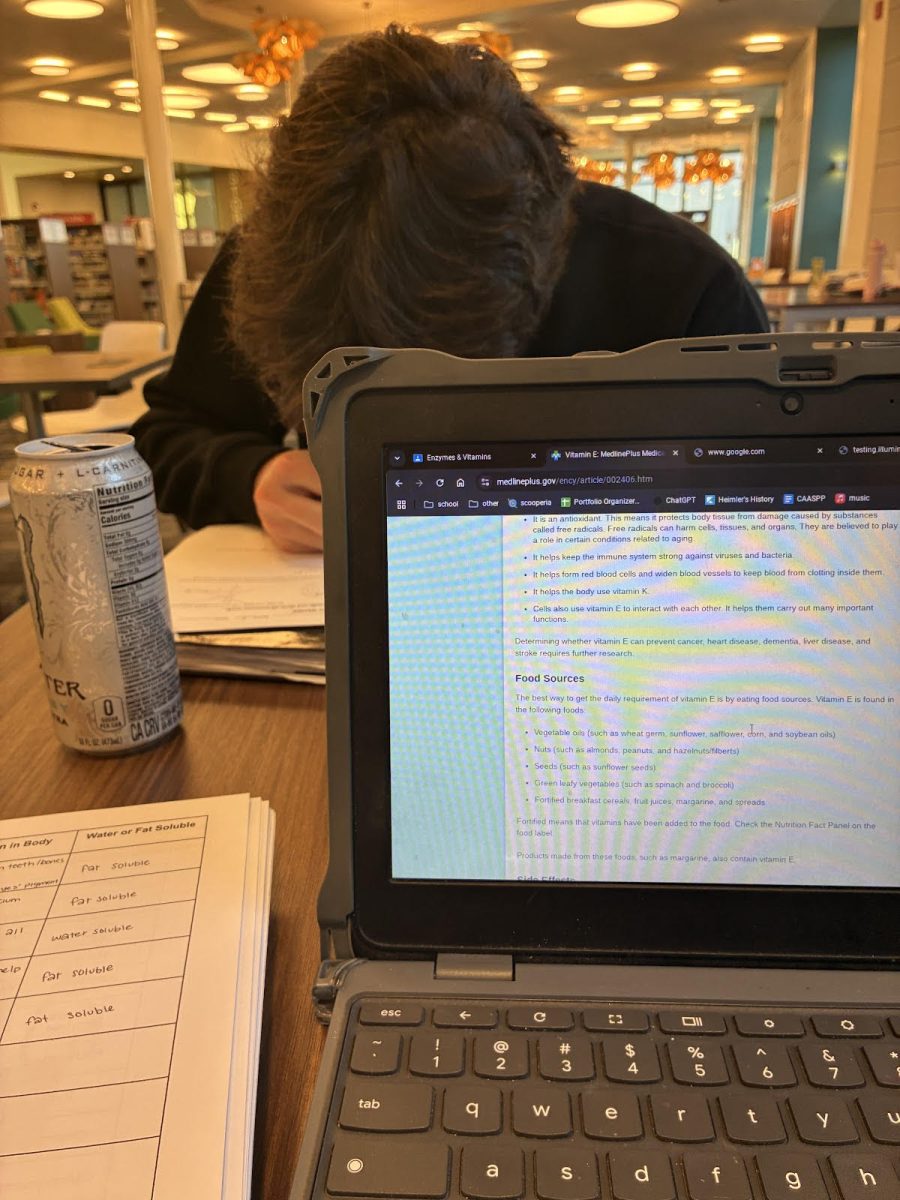























For many students, presentations are one of the most nerve-wracking parts of school. The moment the teacher calls their name, their stomach sinks, their hands shake, and their minds go blank. Presentation anxiety is not uncommon; it’s one of the most common fears, even for adults. In classrooms, this can prevent students from reaching their true potential, holding them back both academically and emotionally. As a student, I have also found myself trapped in the same cycle; however, the good news is that there are practical ways to reduce nerves and deliver a strong presentation with confidence.
Don’t Memorize Word-For-Word
One of the biggest pitfalls that students fall into is trying to memorize their entire presentation word for word. While this might seem like the most “prepared” option, it often creates more stress. Memorized presentations can sound more robotic and less genuine, making it harder to connect with the audience. Worse, if you forget even a single line, it can completely throw you off track, leaving you speechless and panicked. Instead, it is recommended to be well-versed in your topic. Know the material so thoroughly that you can explain it naturally. Using an outline or short phrases as a reminder gives you a sense of direction and structure without locking you into a rigid script. Although this may sound intimidating at first, it’s good to start slow. For example, you can start by memorizing only half of your presentation and speaking freely on the other half, and gradually make your way to the whole presentation. This approach makes you sound more confident, flexible, and authentic.
Go Earlier
Another tip is to go earlier, but not necessarily first, if you’re given the choice. Volunteering to go second or sometimes in the middle can create a sense of balance. While waiting may feel safer, the longer you sit and anticipate, the more anxious you’re likely to become. Overthinking can cause your thoughts to spiral and your confidence to slip. Presenting earlier allows you to get it over with before your nerves have the chance to build up. Livia Yu (11) shares, “I always try to go second, as I’ve noticed watching someone else present first helps me see what to expect, and gives me just enough time to get focused without overthinking everything.” It also means you’ll spend the rest of class feeling relieved instead of stressed, which overall improves your day.
Building Confidence Through Practice and Experience
Preparation is the foundation of confidence, but practicing in your head may be helpful, but it is not enough. Saying a presentation out loud helps people become more comfortable with their voice, pacing, and time. Practice runs with others can reveal speaking habits like speaking too quickly, too softly, or the overreliance on filler words like “um.” This not only helps with being used to having an audience, but also allows the delivery to feel more natural when it matters most. Just as importantly, presenting gets easier the more often it is done. While standing in front of a class may feel dreadful at first, each attempt builds confidence, helps realize the audience is less intimidating than expected, and steadily improves speaking skills. Over time, presenting can be something that once felt terrifying to become manageable, and eventually, it can even feel natural. Keona Pak (12) explains, “I pretend the audience isn’t even there and focus more on my presentation instead of those in front of me, helping me stay calm and keeping my nerves from taking over.”
Managing Anxiety
Managing anxiety in the moment is just as critical. One method is through deep breathing. Before you start speaking, take slow, steady breaths to calm your body and reduce your heart rate. Remind yourself that the audience is simply listening and focusing on the content, not scrutinizing every move. During the presentation, pause when needed. Not only does this give you time to collect your thoughts, but it also makes your delivery clearer and easier to follow. Using gestures and movement in moderation also helps engage your audience and makes you feel more in control. By understanding yourself and your body language, you can trick your brain into feeling more confident, overall presenting with greater results.
At the end of the day, nervousness is normal, but it doesn’t have to control your performance. With preparation, practice, and a confident mindset, presentaion anxiety can be managed. As many experienced speakers will tell you, confidence isn’t always about how you feel inside; rather, it’s about how you present yourself to others. Even if you are scared on the inside, as long as you stand confidently and know what you’re talking about, no one will notice.


James Hay • Oct 15, 2025 at 7:25 AM
Great article: included several practical pieces of good advice and affirmed the basic ability of each one who presents to be an effective speaker. Well done. POWG