

















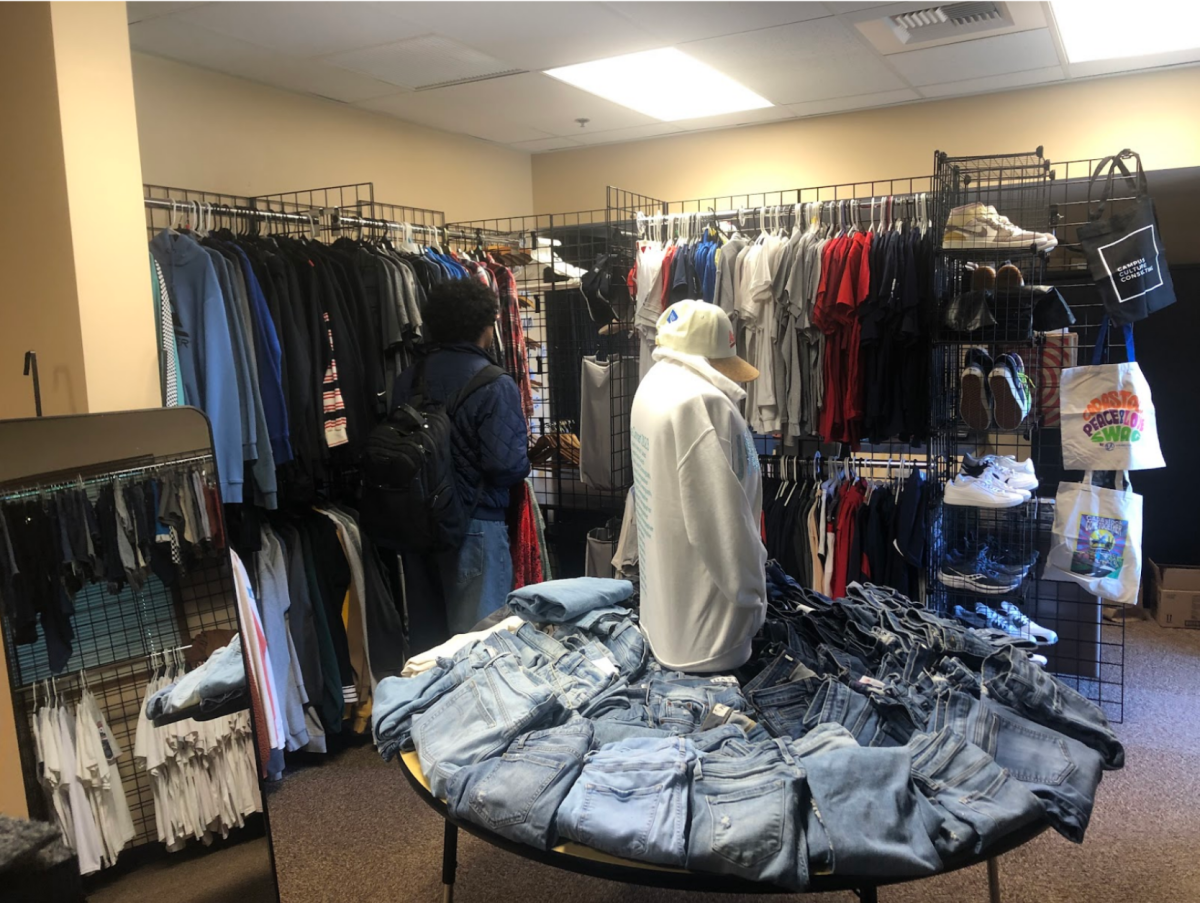


In an age of individualism and sustainability, thrift culture is more than a financial plan—it’s a statement. Gen Z most specifically has taken on secondhand fashion as both a stylish choice and an ethical one. From expertly curated vintage Instagram shops to massive hauls at Goodwill, young people are creating new definitions of what’s stylish and, in the process, remaking how society perceives class and status.
In the past, thrift shopping was a necessity among individuals with limited funds. Today, however, thrift shopping has come to be viewed as fashionable, or even noble. That designer item found at the second-hand store now is not only a badge of honor—a reflection of taste, diligence, and shrewdness but also no longer a sign of wealth. In doing so, thrift culture reverses the conventional fashion system on its head. By eliminating norms and stereotypes, many find it far more appealing to shop at the thrift store rather than fast fashion clothing brands.
But dissent exists for this movement as well. With wealthier consumers swamping the resale shops, prices could be pushed up, to the detriment of driving out the low-income shopper who previously frequented them. Furthermore, resellers on sites like Depop and Poshmark are further chastised for marking up pieces to ridiculous prices when in reality, they found the clothing at the Goodwill bins for 30 cents. And also around is concern regarding performativity in sustainable fashion—is it really about sustainability, or is it just the next thing? Dana Joo (11) attests to this statement, saying, “I think it’s clear when someone thrifts to take pictures there and share that they care about the environment. Rather than having true intention, many thrift in a performative manner.”
At any rate, thrift style argues that style does not necessarily have to cost an arm and a leg. It inspires imagination, promotes sustainability, and makes fashion accessible to everyone in ways fast fashion never could. And though gentrification and authenticity concerns persist, one thing is clear: thrift culture isn’t a phase—it’s a cultural revolution.
