





















In a world where headlines often bring stress or sorrow, it’s refreshing to pause and celebrate the good. From acts of kindness to major milestones, good news reminds us that hope and positivity are still very much alive.
Bacteria Acting as Electric Wiring
A new species of cable bacteria, Ca. Electrothrix yaponensis has been discovered in Oregon’s Yaquina Bay mud flats, and it’s like something out of Pokémon. Identified by Oregon State University researchers Cheng Li and Claire Reimers, this unique bacterium forms long, conductive filaments that transfer electrons, essentially acting like living electrical wires. Its body contains nickel-based molecules and unusually large surface ridges, giving it the highest conductivity of any known cable bacteria. The species appears to bridge two known bacterial genera, Ca. Electrothrix and Electronema, offering new insights into microbial evolution and potential applications in bioelectronics. Found in intertidal sediment, it thrives in diverse environments, both freshwater and marine. Researchers say its metabolic potential and structural features could revolutionize how we think about microbial energy transfer (Good News Network).
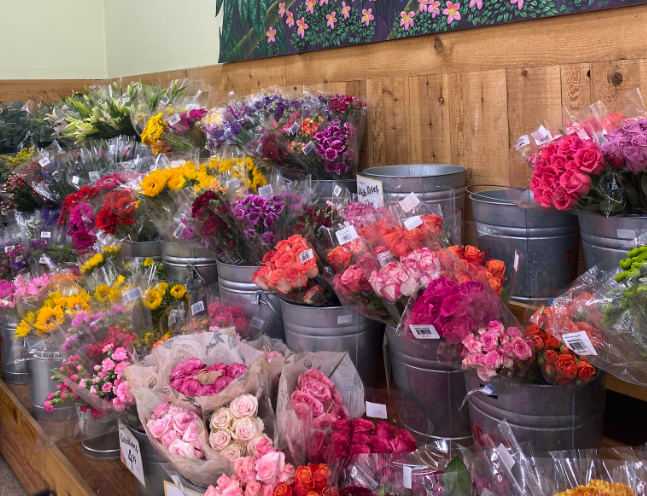
Flower strips in Apple Orchards Can Save Farmers $4K per 2.5-acre
Planting perennial wildflowers in apple orchards could save farmers money and reduce crop damage, according to a new study from the University of Reading. Researchers analyzed data from 10 orchards in southeastern England, comparing five with wildflower strips to five without. The flowers attracted natural predators like ladybirds and lacewings, which feed on rosy apple aphids–a major orchard pest. Results showed orchards with flower strips produce up to 2,420 more kilograms of undamaged fruit per hectare, a 6.9% increase. Depending on placement and pest levels, farmers could save up to $4,000 per hectare. Even in low-infestation years, most flower strip setups proved cost-effective. Beyond pest control, flower strips promote pollinators and biodiversity. “Planting flower margins is a sustainable way to reduce insecticide use and support nature,” said lead author Charlotte Howard. The team has also released a guide to help UK farmers adopt this eco-friendly approach (Eco Watch).
Using Mushrooms to Clean Up Polluted Landscapes
Scientists and environmentalists are exploring mycoremediation–a process that uses fungi to clean polluted environments. Environmental toxicologist Danielle Stevenson applies this technique by introducing fungi into contaminated soils, where they naturally break down harmful substances or absorb heavy metals like lead and cadmium. These metals can then be safely removed by harvesting the fungi. Fungi’s ability to decompose valuable allies in environmental restoration. Stevenson emphasizes that contrary to fictional portrayals like in “The Last of Us,” fungi are not threats but potent tools for ecological rehabilitation. She envisions transforming polluted sites into green spaces and affordable housing, highlighting the vast potential of fungi in addressing environmental challenges (Smithsonian Magazine).
From Pavement to Petals
In the Netherlands, a grassroots movement called tegelwippen is transforming grey sidewalks into colorful gardens. Residents like Boris Stein and Raymond Landegent remove paving stones to plant flowers, cool cities, and prevent floods. In places like Rotterdam, this small act is sparking big changes–reconnecting neighbors, revitalizing “problem neighborhoods,” and blending nature with urban life. “The first paving slab is always a special moment,” Landegent reflects. Beyond beautifying streets, tegelwippen fosters community spirit and local action, showing how simple, citizen-led efforts can reshape cities into greener, friendlier places (Daily Good).
So as it seems, people worldwide are turning to nature, even in Yorba Linda, where Megan Liao (10) says, “Looking at all the good plants do for us has inspired me to water mine.” And Kayla Jeon (10) adds, “Now I feel the need to go out and buy plants.” Using flowers, fungi, and even bacteria–to fight pollution, grow food sustainably, and build stronger, greener communities through science, creativity, and grassroots action.
