

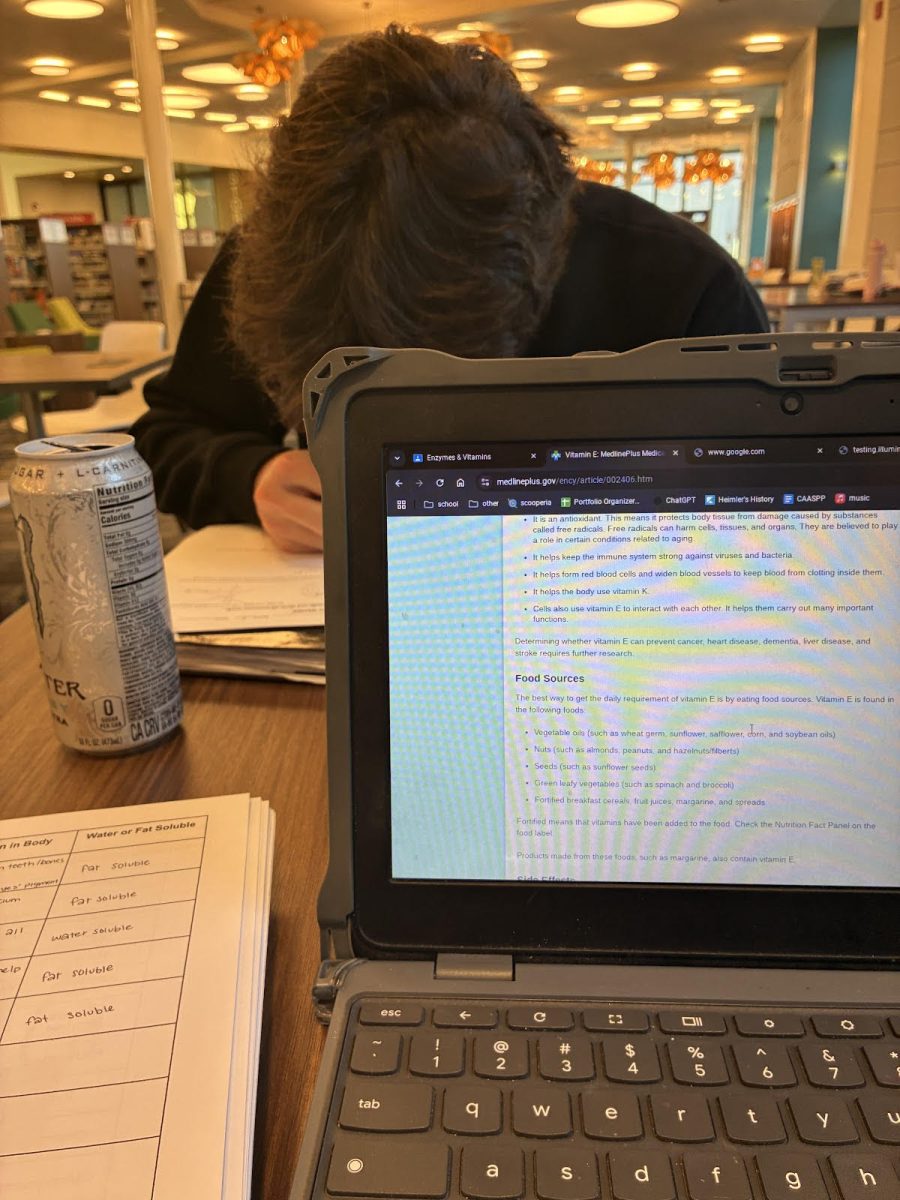






















In recent years, schools across the country have begun to recognize the growing importance of student mental health. As a result, some districts have implemented policies that allow students to take excused absences for mental health reasons. These “mental health days” are designed to give students a chance to rest, reset, and recover when they are feeling emotionally overwhelmed or mentally exhausted.
While many students, teachers, and parents see this as a positive step toward supporting overall wellness, others are raising questions about how these days are used and whether they could be misused as a convenient excuse to skip school.
According to the National Alliance on Mental Illness (NAMI), one in six youth between the ages of 6 and 17 experiences a mental health disorder each year. Anxiety, depression, and stress-related issues have all become more common, especially since the COVID-19 pandemic. For many students, juggling academic responsibilities, extracurricular activities, part-time jobs, and social pressures can be overwhelming.
“Mental health days help me get back on track when I’m feeling drained,” says junior Braylene Easley, “Sometimes I just need a break to clear my mind so I can focus better the next day.”
In response to this growing need, several states, including Oregon, Utah, and Illinois, have passed laws that allow students to take days off for mental health without requiring a doctor’s note. California also allows students to be absent for mental health-related reasons under its education code. As more schools adopt similar policies, the hope is to reduce the stigma around mental health and encourage students to prioritize their emotional well-being.
Despite the good intentions, there are concerns that mental health days might be misused. Because emotional well-being is not as easy to measure as a physical illness, it is difficult for schools to verify whether a student truly needs the day off. Some teachers and administrators worry that students may take advantage of the policy to avoid tests, homework, or uncomfortable situations at school.
“There’s a fine line between self-care and procrastination,” says Spanish teacher, Profe. Wong, “We want students to speak up when they are struggling, but we also want them to be honest and responsible.”
To prevent overuse, some schools limit the number of mental health days a student can take each semester. Others require parents or guardians to notify the school, and in some cases, schools may request a follow-up with a counselor. Still, even with guidelines in place, some students admit that mental health days can be a tempting way to get out of school for non-urgent reasons.
Regardless of the potential for exploitation, many agree that the concept of mental health days is an important step forward. By officially recognizing emotional wellness as part of a student’s overall health, schools are helping to normalize conversations about mental health that were often avoided in the past.
Sophomore Melena Thune believes the shift is long overdue, commenting, “We’re under so much pressure to succeed that sometimes people forget students are still just kids. Taking a day off when you’re feeling mentally exhausted shouldn’t be treated like a weakness.”
Sophomore
So, are mental health days a helpful break or just a loophole? The truth may lie somewhere in between. When used responsibly, these days offer students a chance to regroup and return to school more focused and less stressed. But without clear boundaries and honest communication, they risk becoming a way to dodge responsibilities.
Ultimately, the goal should not just be about taking time off, but about creating school environments where students feel supported, understood, and empowered to take care of their mental health before it reaches a crisis point.

Brenda Lu • Jun 1, 2025 at 12:02 PM
Great article! I would love to see YLHS taking mental health days for students in the future.