























Environmental Design
The placement of everything has its effects. Visibility, perception, and feeling. As many city planners keep in mind, harmony between man and the environment is vital. A sign or a misplaced book can be the wave of change for your day.
Planners or designers must distinguish the audiences of the public environment and identify their needs. This all comes back to this central idea of experience psychology addressed in a 2020 paper by Yunjuan Sun., called Public Environment Design Based on Experience Psychology. The paper goes into depth, explaining that individual experiences in public environments vary due to external stimuli and internal factors. Some factors are categorized into personal reasons (mood, hobby, characteristics, aesthetic tendency), and human factors (regional, national, and time-related elements).
Health and The Environment
As the human population grows in size, an inevitable need for space increases. Urban sprawl has led to dull, uniform neighborhoods where people depend heavily on cars and spend more time commuting, leaving less time for activities that benefit their health. This built environment creates a garden for the eventual rise of things like obesity. Experts have found that increasing rates of obesity are far from being primarily a genetic issue, thus concluding that non-genetic factors such as these must be the culprits. Neighborhoods that promote health tend to have higher population density, a mix of land uses, well-connected streets, easy access to walking, public transit options, nearby parks, and fitness facilities, safe roads and low crime, and attractive urban areas (National Library of Medicine). Haley Wong (10), a student at Yorba Linda High School, shares: “I feel more intrigued and productive in urban environments because everything moves so fast.”
The Business Perspective
Businesses tend to follow the experience psychology method that was mentioned earlier, to attract new customers. A strategy mentioned in an article by Forbes supports this idea by prompting business owners to “understand where [their] customers are.” In other words, a business owner must tailor a business to evoke a feeling customers will want to revisit constantly. By suggestion of LinkedIn, a great way to create a customer-friendly environment is by creating: “a comfortable and inviting atmosphere by using soft lighting, comfortable seating, and pleasant music, [p]rovide amenities that make it a pleasant place to shop, such as comfortable seating, restrooms, and Wi-Fi, and [by using] clear and concise signage to help customers find what they are looking for.” Everything businesses do is to appeal to customers. Whether this means putting the most expensive and eye-catching products at the store entrance or placing goodies one could easily buy without necessity, near the cash register. No matter what, a susceptible customer will end up falling into their trap.
The School Environment
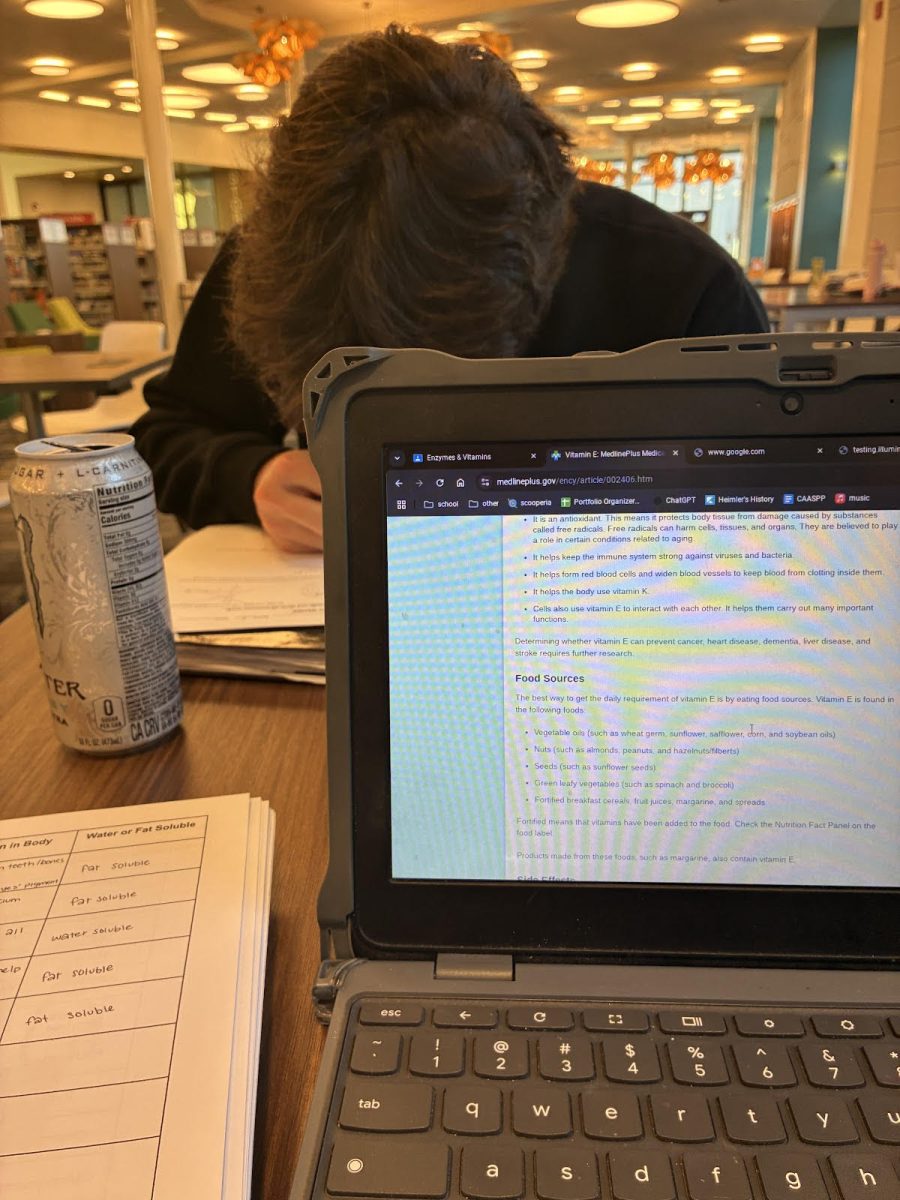
Unlike other public spaces, school is meant to be taken seriously and to provide a space where students can flourish both academically and socially. To achieve said things, a school should provide an adequate environment. When students pursue their education in a poorly capable facility, the sense of duty is erased from their minds. This sense of duty will also spread to teachers, who will be less than enthusiastic to continue their lessons and foster a sense of progression in their academic lives. Research shows a correlation between the quality of school buildings and academic performance (San Diego State University).
Your Own Home
The home everyone visits daily can affect your behavior in more ways than one. Building a home-owner relationship with the contents of your bedroom or living room, for example, is associated with higher levels of both satisfaction and happiness (PsychCentral). A lot of people resonate with this idea. Lauren Kim (10), a student at Yorba Linda High School, shares: “If something is a little off in my room, I just let it be because it’s already a space I feel comfortable in, and something little won’t affect me.” The surrounding environment also plays a big role in mental health. Having neighbors nearby and the resulting noise in non-detached homes has been related to a reduction in general mental health. These variables, together with living in shared lodgings and high-rise buildings, which limit opportunities for social interaction, all harmed depression and anxiety (National Library of Medicine).
Conclusion
Overall, the environment is often undermined as a possible reason for certain behaviors, and the faster you recognize what the issue is, the better you can weaponize your environment and use it to fight a mental block or anything for that matter. Regardless, it doesn’t hurt to create a space you feel comfortable in.
