




















At Yorba Linda High School, saying “yes” has become second nature. Yes to more AP classes. Yes to more clubs. Yes to leadership, competitions, tutoring, and internships. The pressure to do more — and to be more — is woven into nearly every hallway conversation and school announcement. Ambition is celebrated here, and for good reason. But in the race to check every box, students are often left feeling like they’re not allowed to stop — not even for a moment.
Students like Carter Adamson (10) express this struggle, stating that “I would say saying yes too much and being a ‘pushover’ is a way to lose one’s identity, but on the other side, never saying yes to anyone is another unfortunate thing. I personally tend to say yes too much but I try to keep it lower so I retain some sense of personal identity. If you say yes too much then you have too many responsibilities and will have to let people down more so than if you said no. It’s important to get a balance, which is what I’m working on.” Kaylee Garcia (10) elaborates on similar remarks as she details, “When I was younger, I was a yes-man because I was too shy to speak up. As I grew older, I realized that constantly saying yes was compromising my values and self-worth. The sooner people come to this realization, the sooner they can free themselves from societal expectations and others’ demands, and begin to leave their own mark wherever they go.”
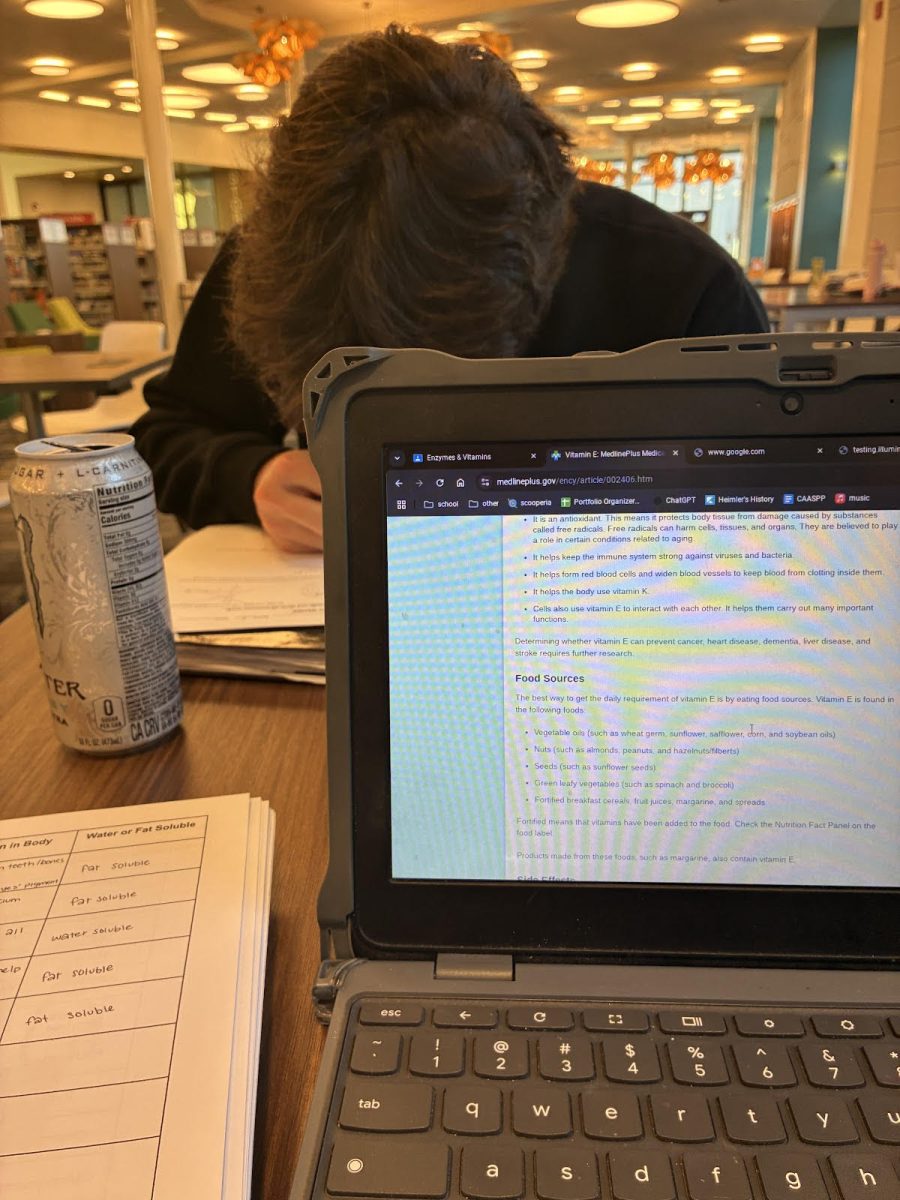
The quiet toll this constant “yes” takes on students is often overlooked as many are afraid to share these opinions. It can look like someone who’s always smiling on the outside but is silently overwhelmed. Someone busy every lunch, every weekend, every evening — not because they want to be, but because they don’t feel like they’re allowed to say no. Burnout doesn’t always announce itself loudly. Sometimes, it comes in the form of emotional numbness, lost motivation, or the feeling that everything is an obligation instead of a choice.
And it’s not just academic. The pressure to say “yes” extends to social life too. Say yes to the group hangout, even if you’re drained. Say yes to the conversation, even if you’re uncomfortable. Say yes to fitting in, even when it means quietly setting aside your own beliefs, preferences, or identity — just to not rock the boat. Slowly, yes stops meaning “I want to” and starts meaning “I should.” And when entire days are made up of shoulds, there’s not much space left for who you are.
This isn’t just something I’ve observed — it’s something I’ve felt. There have been days where I’ve said yes out of fear of falling behind or being seen as less capable. Times when I’ve gone along with something socially, not because it aligned with what I believed, but because I didn’t want to feel alone. And in those moments, I could feel myself slipping — not in grades or performance, but in progress and identity. The more I said yes, the less I recognized myself. It’s not easy to admit, but maybe that’s the point: saying no takes courage, even when no one else sees the cost of always saying yes.
This is where boundaries come in — not to isolate you, but to keep you grounded in who you are. Boundaries are a way of saying, “This matters to me. This doesn’t. And that’s okay.” Saying no to an extra role, a social invite, or an expectation you didn’t agree to isn’t a sign of weakness or selfishness. It’s a decision to protect your energy, your peace, and your identity. It’s choosing authenticity over approval.
There’s a courage in saying no that often goes unrecognized. It means risking disappointment or judgment for the sake of being honest with yourself. And in a culture where “yes” is praised as the gold standard, saying no — and meaning it — is radical. It forces people to respect one not for how much responsibility they take, but for how well they know their limits.
As the school year comes to a close, this is the reflection I found that matters the most to me and a good message to spread. Not on what you achieved, but on what you sacrificed to achieve it. Were there moments you said yes when you meant no? Times you compromise your values to stay connected or accepted? Assumingly, many students may feel that same pressure — to be perfect, agreeable, and accommodating. But next year, it might be good to consider permitting to pause, to question, to refuse when something doesn’t feel right, and to find out what is most important.
Now I realize I don’t owe everyone a yes. Not to every opportunity, not to every person, not to every version of who others think I should be. Filtering possibilities and the advice of others is necessary. Saying no doesn’t make one less — it makes them real. And that’s something worth honoring.
In the end, learning to say no is one of the most powerful yeses you’ll ever give — to yourself.
And sometimes, the best thing you can do is pause — to think, to feel, and to remember that slowing down can move you forward in ways rushing never will.
