






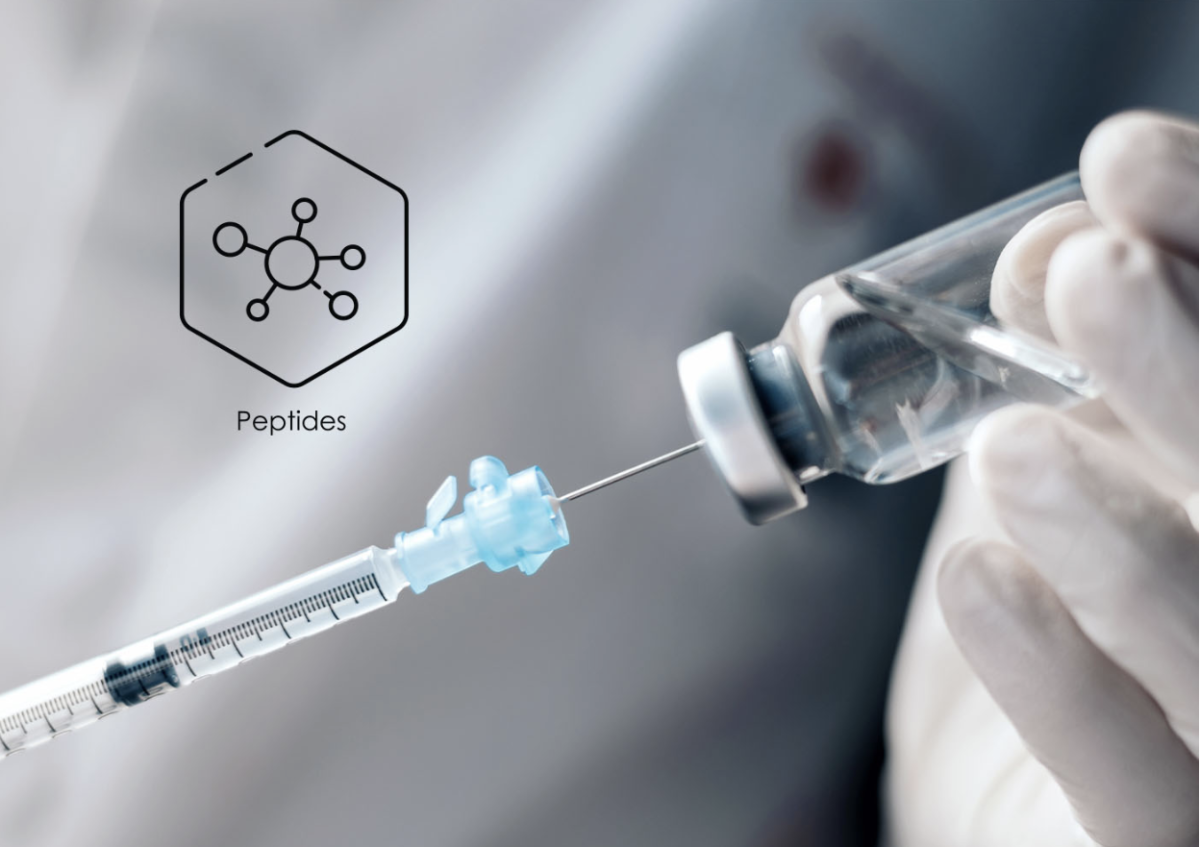
















Why is it that you find shots painful, while your friend does not? Well, that is because everyone has different pain tolerances. The official definition of pain tolerance is the maximum amount of pain a person can withstand before seeking relief or expressing discomfort. Now, this is not measured by a fixed number, but rather by a perception. For example, Yeji Cho (10) says that she finds “any sort of shot or pinch painful.” While Krishaa Seth (10) explains, “Shots and pinches do not make me feel any discomfort at all.” In this example, Yeji would have a ‘lower’ pain tolerance than Kirshaa does. But why do people have different pain tolerances?
Four main factors determine how people have different pain tolerances. An important thing to note beforehand is that a pain threshold is different from pain tolerance. Pain threshold is when you start to feel the pain, rather than just discomfort. So the first factor that can determine how people have different pain tolerances is the obvious: genetics. Genes can influence how the nervous system processes pain signals. Fun fact, the part of the brain responsible for processing pain is the thalamus and cortex; it only takes the brain 0.4-0.5 seconds to respond.
Second, there are biological factors. Your age can affect pain perception, with older adults potentially experiencing reduced sensitivity to acute pain, but more to chronic pain. Your gender can also play a role, research has supported that women generally have a higher pain sensitivity than men. This could be due to hormonal fluctuations. Chronic illness could also be a factor; conditions like diabetes and nerve damage can impact pain perception. The third factor is psychological factors. Stress, anxiety, and depression can amplify pain perception and lower pain thresholds, making pain feel more intense.
Lastly, lifestyle and conditioning could also affect one’s pain tolerance. Factors like obesity, smoking, and lack of exercise can contribute to increased pain sensitivity. Repeated exposure to painful stimuli may or may not increase pain tolerance, as some evidence suggests that greater exposure can lead to increased pain sensitivity (National Library of Medicine).
In conclusion, pain tolerance varies greatly from person to person due to a combination of genetic, biological, psychological, and lifestyle factors. While one person may barely flinch at a shot, another may find it unbearable. Understanding these differences helps explain why pain is such a personal experience– and why there’s no one-size-fits-all answer to it.

Cora Derby • May 21, 2025 at 4:07 PM
Cool article! It is interesting how all of these factors can contribute to pain tolerance.